Broken chains, single earrings, old gold bars: Your 2026 Hong Kong Buyback and monetization guide and | Gu Jin Jian Bao
Broken chains at the bottom of drawers, single unmatched earrings, old gold bars in safes – many people assume these"incomplete"gold items are worthless or can only be sold at a deep discount. However, the buyback price of gold primarily depends on its weight and purity; the physical integrity of the item has far less impact on the price than commonly believed. With gold prices at historic highs in 2026, now is an excellent time to sort through these"dormant assets."
I. Why are "Damaged Jewelry" Still Valuable?
The value of a piece of jewelry typically comprises three parts: design, brand premium, and material value. When a chain is broken, a setting is deformed, or an earring is lost, the first two parts become almost negligible. However, the chemical composition of the material itself – gold, silver, platinum – remains unchanged.
For professional recyclers or large refineries, these so-called "damaged" pieces are excellent raw materials. After smelting and refining, they will eventually be recast into standard gold bars or new jewelry. Therefore, leaving a broken gold chain or a single gold earring in a drawer for a decade is essentially keeping a readily convertible asset in a low-liquidity state.
II. 2026 Hong Kong Gold buyback market Reference
In 2026, geopolitical situations and changes in major central banks' monetary policies have kept gold prices hovering at historic highs. In Hong Kong, traditional gold shops usually deduct a 2% to 3% commission from the purchase price, and some may also add "fire loss" (huo hao). To avoid being "ripped off at the counter" (where a high price is quoted to attract you, but fees are added just before the transaction), you should at least know the basic formula:
Actual Payout = Weight × Daily Buy Price × Purity Ratio × (100% − Commission/Fire Loss)
Based on the 2026 market reference (assuming 9999 pure gold at approximately HKD 42,970 per tael), the reference buyback prices for different purities are as follows:
| Precious Metal Category | Gold Content / Purity | Reference buyback price (HKD)* | Market Positioning |
|---|---|---|---|
| Pure Gold (999.9) | 99.9%–99.99% | Approx. HKD 4,297 / mace | Globally recognized safe-haven asset, highest liquidity. |
| 22K Gold | 91.6% | Approx. HKD 3,936 / mace | Common in Southeast Asian and Indian jewelry, higher hardness. |
| 18K Gold (Au750) | 75.0% | Approx. HKD 3,222 / mace | Common purity for high-end jewelry; broken chains, single earrings are still valuable for Buyback. |
| 14K Gold (Au585) | 58.5% | Approx. HKD 2,513 / mace | Common in delicate jewelry, stable buyback market. |
| 999 Platinum (Pt) | 99.9% | Approx. HKD 1,893 / mace | Has both industrial and investment demand; price is lower than gold. |
(Note: Hong Kong uses the Sze Ma tael system, where 1 tael = 10 mace = 37.429 grams. Prices in the table are for proportional reference only; actual Buyback amounts will be adjusted based on the international gold price and exchange rate on the day.)
For long-term gold price trends, you can refer to 2026 Gold Price Trends and Geopolitical Impact; for choosing the best time to sell gold jewelry, When is the Best Time to Sell Gold: Four Timing Judgments offers more specific advice.
III. Four Common Buyback Traps: Fire Loss, Rigged Scales, Acid Testing, Last-Minute Deductions
Converting old gold into cash should be a simple matter, but there are several practices in the market to be wary of. Here are a few actual cases seen in recent years.

1. "Deducting Fire Loss" – A Historical Term Applied Today
"Fire loss"originally referred to the natural loss incurred when melting fragmented silver into standard silver ingots during the Qing dynasty. In the modern buyback market,"fire loss"should only be a minimal physical loss during melting and recasting. However, some shops use this as an excuse to deduct 2% to 10% of the weight upfront. If 10 mace of gold is subject to a 5% fire loss, it means 0.5 mace is lost, which, based on the reference price in the table above, amounts to over HKD 2,000. For a detailed breakdown of the amount, you can refer toHow Fire Loss Traps Can Cost You Ten Thousand Dollars.
2. "Rigged Scales" – Remotely Controlled Electronic Scales
Weight is the absolute key to determining value. There have been several modified electronic scales circulating in the market, with wireless chips implanted internally. The operator can use a remote control, similar to a car key, to adjust the displayed weight within a ten-meter range. Common button settings include:
- Button A: Restores true weight.
- Button B/C: Fixed reduction of 0.2 grams.
- Button D: Reduces weight by a percentage all at once.
Countermeasures: Demand that the shop use an electronic scale with a Hong Kong government metrology verification sticker; ensure the scale display faces the customer; you can bring a small calibration weight yourself (100g, 200g standard weights are available online for a few tens of dollars) to test it.
3. "Acid Testing" – Actively Creating a False Impression of "Insufficient Purity"
Some shops, during destructive fire assay testing, secretly sprinkle tin or lead powder on the gold item, causing the gold to blacken or discolor after high-temperature burning. They then use "insufficient purity" as a reason to lower the price. Countermeasures: Insist on using an XRF fluorescence spectrometer for non-destructive testing, which does not require burning. If the shop insists on burning before providing a quote, this itself is a signal to walk away.
4. "Last-Minute Deductions" – High Prices Advertised, Fees Deducted at Checkout
Some shops display a "buy price" higher than the international gold price outside to attract customers. At the time of actual settlement, they then deduct a large portion under the guise of handling fees, commissions, depreciation fees, etc. Countermeasures: Before entering the shop, confirm with the recycler via WhatsApp terms like "all-inclusive price" and "no fire loss deduction," and request a written quote on the spot before proceeding with the transaction.
For a more comprehensive list of traps, you can refer to Deconstructing Common Gold Buyback Traps in Hong Kong.

1. Heirloom Ancient Coins and Old Banknotes
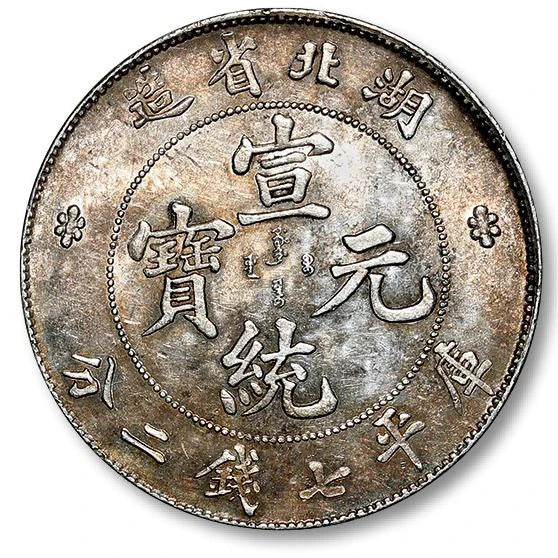
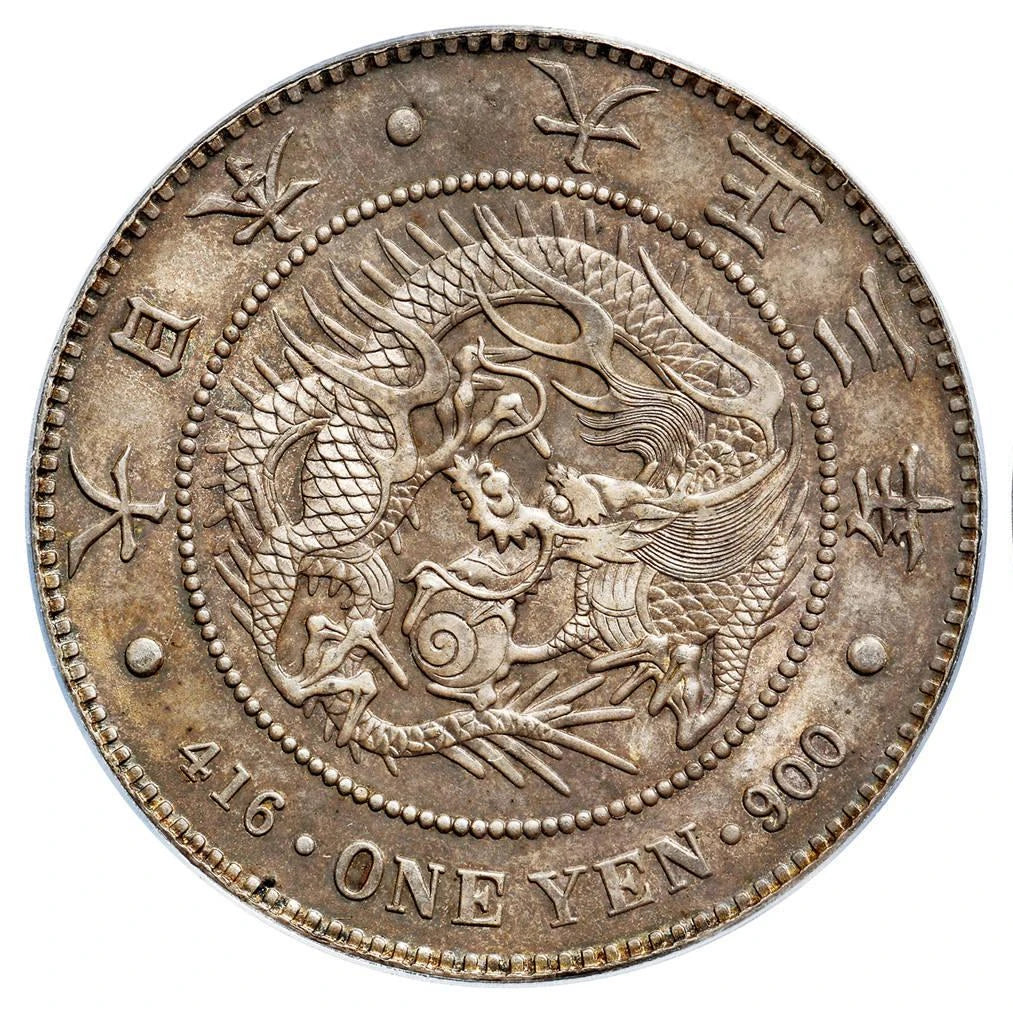
Silver coins (such as Yuan Datou, Qing Dynasty Silver Coins, Japanese Dragon Silver Coins) or old versions of RMB left by elders are not valued purely by their silver weight. Taking Yuan Datou as an example, the year (Republic of China Year 3, 8, 9), version (O-version, triangle circle, signed version), and condition constitute the main premium; the difference between common circulating coins and rare editions can be more than tenfold.
2. Brand-name Luxury Goods "Empty Boxes," Dust Bags, and Authenticity Cards
In the luxury goods second-hand market, these "accessories" actually have independent circulating value. A well-preserved Chanel paper box plus dust bag can fetch around HKD 290–360 on the second-hand market; a large Hermès orange box around HKD 240–360; and LV, Gucci paper box and dust bag sets also go for HKD 200–300. When sold with a second-hand bag, they can further increase the resale value.

VI. Several Basic Criteria for Choosing a Recycler
Gold prices fluctuate rapidly, and the difference in actual payout between different recyclers can easily be hundreds to thousands of Hong Kong dollars. Traditional pawn shops usually charge a 2% commission plus fire loss; pawnshops offer immediate cash but usually buy at 70% to 90% of the market price. For ordinary customers, focus on three key things:
- Transparent pricing: Is pure gold bought without fire loss deduction, and is K-gold priced according to XRF actual measurement; is there a written record of the quote provided on the spot?
- Compliance records: Is the dealer registered as a B- or A-class trader; are large transactions (over HKD 120,000) settled via bank transfer or Faster Payment System (FPS)?
- Home service: Free home service in Hong Kong, Kowloon, and the New Territories is safer for elderly or single female customers; public places can be chosen for transactions.
For a complete guide to the physical asset monetization process, you can read How to Monetize Unused Gold Jewelry and Gold Bars: A Complete Guide to Hong Kong Buyback Practices, or directly view the common categories in the Buyback Gold Items series.
Conclusion
Every time you declutter your home, it's an opportunity to reassess the assets you hold. Broken chains, single earrings, old gold bars lying quietly in drawers for ten or eight years have not appreciated, nor has the market forgotten the value of these raw materials. To convert them back into cash, the key is not to find the highest quote, but to find a recycler who will openly display their calculation formula, operate transparently, and not charge fire loss.
Send us a clear photo, and we can provide a reasonable Buyback range within half an hour.Gukin Gem Appraisal offers free appraisal, home collection service, and immediate settlement by cash or FPS:
- WhatsApp: 98342057
- WeChat: john19998
- Phone: 852-98342057
How much are your unused gold items in the drawer worth?
Free appraisal, on-site XRF testing, no fire loss deduction, estimate provided within half an hour. Same-day home collection, instant payment by cash or FPS. WhatsApp us a clear photo first.