Skip to product information
1 of 2

古金鑒寶

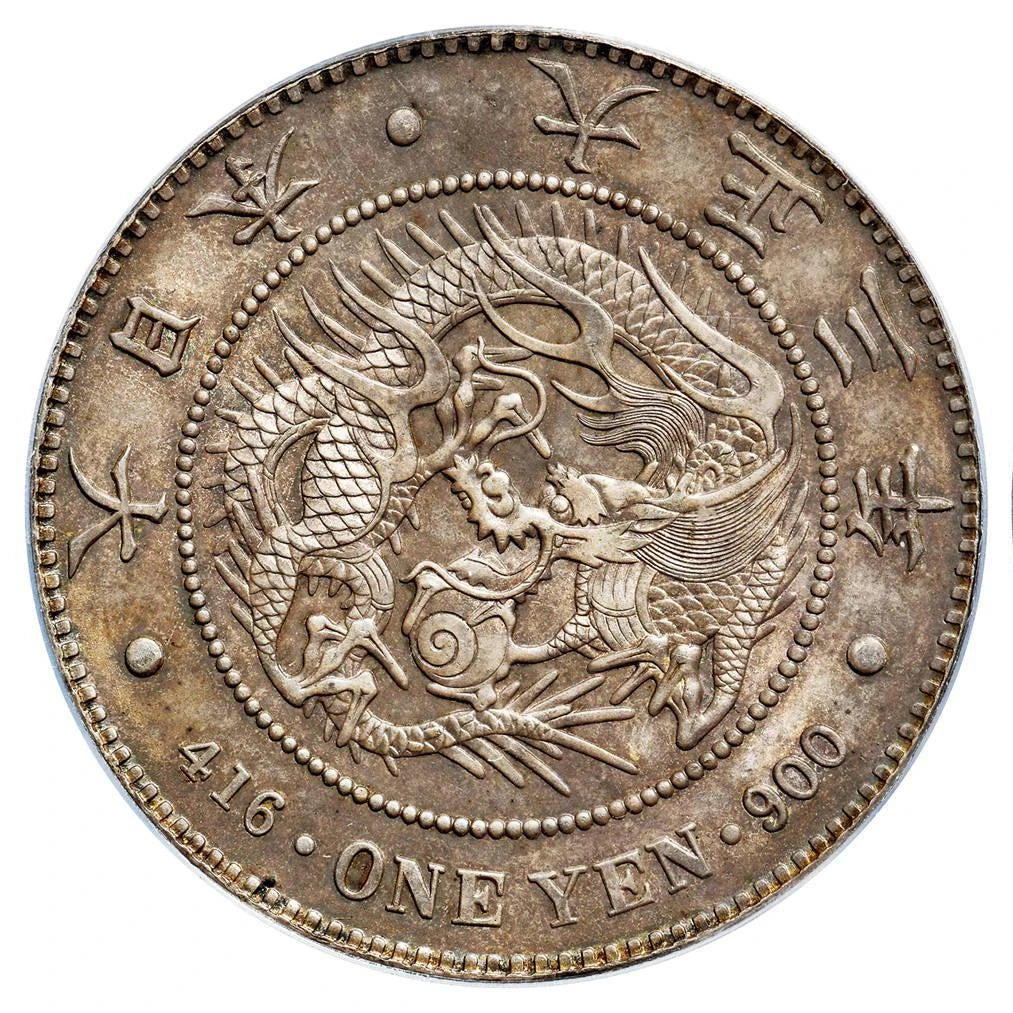
[Ancient Gold Appraisal] Buying back a Japanese Meiji 45th year (1912) One Yen Dragon Silver

[Ancient Gold Appraisal] Buying back a Japanese Meiji 45th year (1912) One Yen Dragon Silver
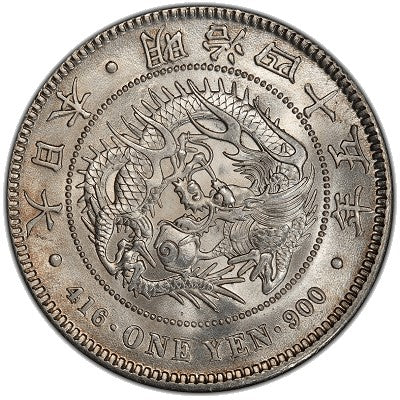
As the final masterpiece of the Meiji era, the 1912 One Yen Dragon Silver coin holds an irreplaceable position in the Japanese antique coin acquisition market. This year marked the end of a glorious period in modern Japanese history, followed by the Taisho era. These coins, known as the "Last Meiji Dragon Silver," were not only a medium of economic circulation at the time but also carried the historical significance of an era's transition, highly valued by both domestic and international Dragon Silver appraisal and valuation experts and historians.

Key Factors Determining Dragon Silver Acquisition Prices

Many collectors, when looking for Dragon Silver acquisition recommendations, are most concerned about the actual value of their treasured items. The market acquisition price of a Meiji 45 One Yen Dragon Silver coin is not a single standard but is comprehensively evaluated by the following core conditions:

  • Condition and Wear: The clarity of the dragon scales on the coin surface and the integrity of the serrated edges are fundamental to evaluation. Uncirculated (UNC) condition or high-grade silver coins with original cartwheel luster are worth far more than commonly circulated and worn coins.
  • Natural Toning: The natural oxidation layer (toning) left by time can significantly enhance the historical charm of a silver coin, and iridescent or deep, old toning is particularly sought after by collectors. If the coin has been improperly cleaned with chemical silver cleaner, damaging its surface, its market value will often be greatly reduced.
  • International Professional Grading: If the coin has a high-grade slab from PCGS grading or NGC authentication, it not only provides objective authenticity assurance but also ensures a high premium and liquidity in antique coin auction markets.

Professional Data Analysis: Meiji 45 One Yen Dragon Silver Specification Table

To help collectors more accurately understand their cherished items, Gu Jin Jian Bao has compiled detailed physical specifications such as the One Yen Dragon Silver weight and dimensions, which are important benchmarks for our antique coin appraisal center when performing Japanese Dragon Silver authenticity identification:

Specification Item Detailed Data and Description Key Points for Professional Appraisal and Counterfeit Prevention
Year of Minting Meiji 45 (1912 AD) Pay attention to the depth and fluidity of the Chinese characters for the year; counterfeit coins often have stiff engraving or blurred strokes.
Material Ratio Silver 900‰ / Copper 100‰ The silver content is very high. When held lightly with fingertips and tapped with a wooden pen, genuine coins produce a crisp, long-lasting sound; fake coins (such as copper core plated with silver) produce a dull or harsh sound.
Standard Weight 26.96 grams (Kuping Qiqian Erfen) After circulation wear, a very small tolerance is allowed. If the weight deviation exceeds 0.5 grams, or is even less than 26 grams, it should be highly suspected as a sand-cast fake.
Standard Diameter Approx. 38.1 mm The size is strictly fixed by the mint. Using professional calipers can quickly filter out most inferior counterfeits.
Standard Thickness Approx. 2.5 mm to 2.6 mm The edge thickness is uniform, and the anti-counterfeit reeding (milled edge) on the side is deeply pressed and regularly arranged, without any nicks.
Minting Institution Japan Mint, Osaka Examine the details of the design at high points on the coin surface. The dragon's whiskers, fiery pearl, and cherry blossom petals on the reverse, produced under authentic official craftsmanship, all possess high three-dimensionality and layering.

Old Silver Coin Collection and Preservation Guide

When dealing with numerous Meiji era silver coins, proper preservation directly impacts their future appreciation. Gu Jin Jian Bao particularly reminds all collectors: if you have similar antique gold and silver coins at home, be sure to keep them in their original condition. Do not use metal polish, toothpaste, or silver polishing cloths yourself. These destructive cleanings will leave countless tiny scratches and remove the protective historical toning, causing irreversible loss of value. The proper way is to store them in a dry, dark, professional sealed coin holder or bag.

Gu Jin Jian Bao has extensive practical experience, offering transparent and fair free appraisal of old silver coins and high-price acquisition services to help you uncover the true market value of your heirlooms.

View full details
  • 1) Clients should first provide basic information about their collections via WhatsApp (852) 98342057. You can also contact us directly via this link.

  • 2) We will provide a preliminary quote after receiving your information.

  • 3) Both parties agree on a time and place (on-site inspection is available) to inspect the collection. We will provide a precise quote based on the actual condition of the collection.

  • 4) Confirm the sale and make payment in various forms such as bank transfer or cash.