What to do if your heirloom silver dollar is tarnished? Never wash it! Uncovering why "patina" is key to high-value recycling.
In our years of experience in precious metal recycling, we often encounter many clients bringing in silver dollars (commonly known as "Dayang" or "Dragon Silver") inherited from their ancestors for appraisal. When young people inherit these family heirloom silver dollars and see their surfaces appear dark brown, black, or mottled with colors, their first reaction is often to assume it's "metal deterioration" or "dirt," sometimes even resorting to silver polish, toothpaste, or brushes to scrub them vigorously.
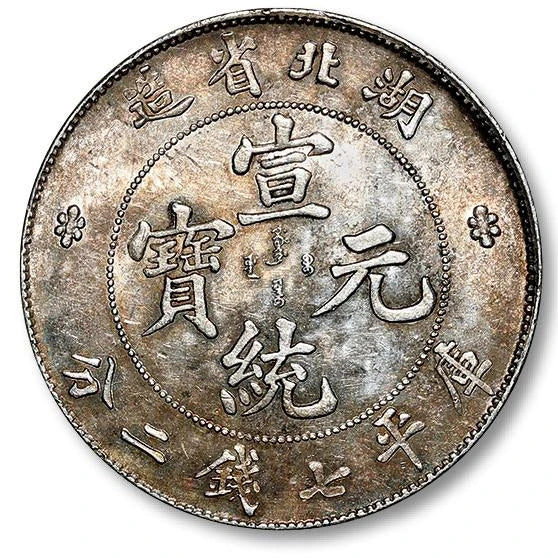
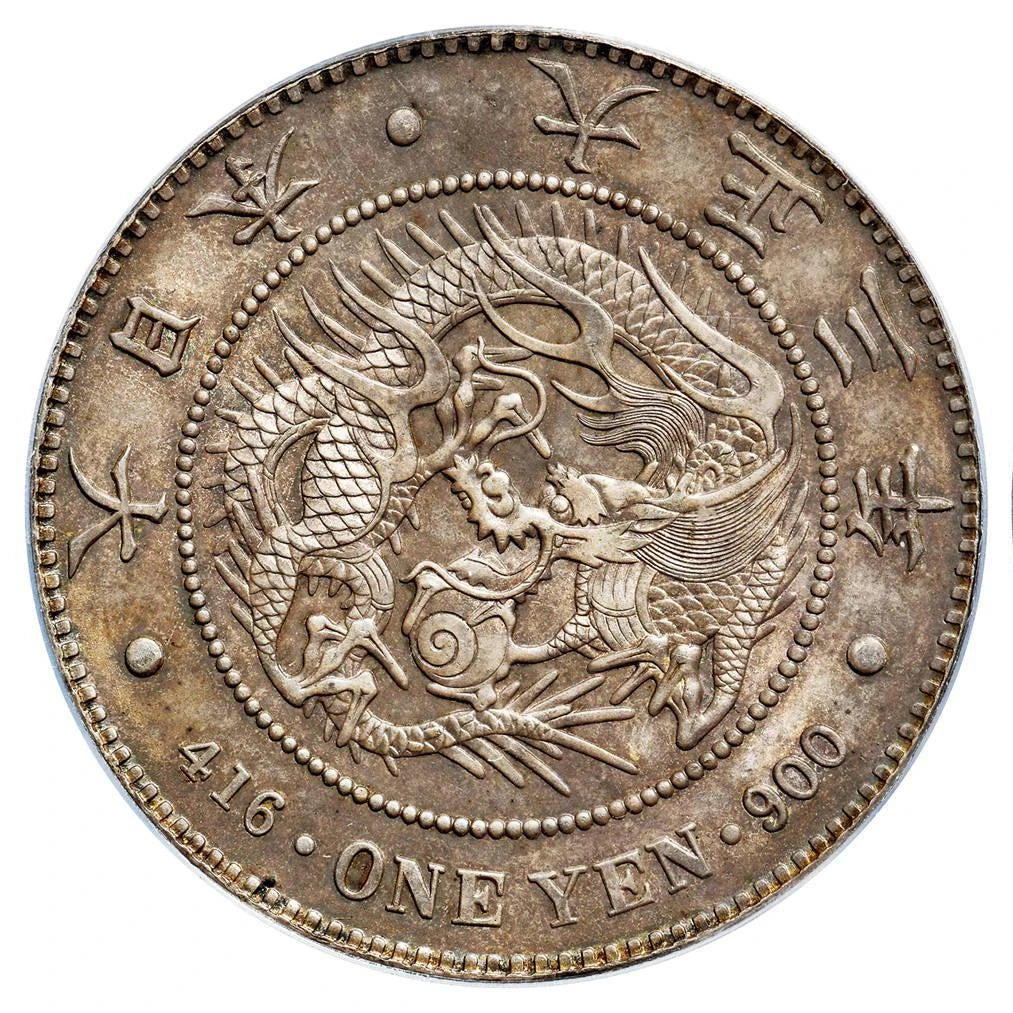
As professional antique coin dealers, Ancient & Modern Treasures Appraisal, we must earnestly appeal to you here: What should you do if your inherited silver dollars turn black? Never clean them! Those "dirty" black marks in your eyes are known as "patina" (or "toning") in numismatics. It is not only the "second life" of a silver dollar but also a crucial factor that determines whether the recycling price of an old silver dollar can double.
Today, we will comprehensively unveil the secrets of patina from in-depth perspectives such as metallurgical chemistry, academic authentication, international grading standards, and the latest Hong Kong recycling market trends. We will also share how to correctly preserve and monetize your precious heirloom silver dollars.

I. Why do family heirloom silver dollars turn black? (Scientific Mechanism and Formation of Patina)
Many mistakenly believe that blackening silver dollars are corroded. In fact, this is a micro-level chemical equilibrium and optical physics phenomenon. Silver ($Ag$), though a noble metal, has a high affinity for sulfur in natural environments.
Over decades or even centuries of storage, silver metal slowly reacts with trace amounts of hydrogen sulfide ($H_2S$) in the air. The core chemical equation is: $4Ag + 2H_2S + O_2 \rightarrow 2Ag_2S + 2H_2O$.
This protective film of silver sulfide ($Ag_2S$) not only prevents further erosion of the internal metal structure but also effectively blocks oxygen and water molecules from penetrating further into the inner silver atoms, acting as a natural preservative. This is fundamentally different from harmful copper corrosion that can damage coins.
More remarkably, while blackening, some silver dollars can exhibit iridescent, multi-colored luster. This is due to the "thin-film interference" phenomenon when light shines on silver sulfide films of varying thicknesses. As light penetrates the film and reflects off the metal base, it creates a phase difference with the surface reflected light, causing different wavelengths of colored light to interfere constructively or destructively, thus forming the vibrant colors we perceive.

In-depth Analysis: Scientific Correspondence between Patina Thickness and Visual Color
According to experimental data from international numismatic experts, the physical thickness of the silver sulfide layer and its visually presented color are highly correlated. Below is a detailed comparison table of the silver coin oxidation and discoloration process:
| Patina Layer Thickness (nm) | Visual Color | Professional Market Term | Formation Characteristics and Market Value |
|---|---|---|---|
| < 50 nm | Light yellow, golden yellow | Golden Patina, Buttery Luster | Initial stage of sulfidation, often accompanied by original mint cartwheel luster, highly ornamental. |
| 50 - 100 nm | Amber, orange-red | Chestnut color, Sauce Toning | Moderate oxidation, increased color saturation, possessing a rich sense of historical sedimentation. |
| 100 - 120 nm | Blue, indigo-violet | Blue Toning | Extremely rare physical thickness, extremely high market value, coveted by collectors. |
| 120 - 150 nm | Green, jade green | Green Patina | Often found in specific burial or submerged environments. |
| > 150 nm | Black, dark green | Black Lacquer, Transmitted Black | Ultimate thickness of sulfidation, obscures all underlying colors, typical feature of heirloom old silver dollars. |
II. Types of Patina: Historical Imprints on Silver Dollars
Patina is not just a chemical product; it's a "biometric record" of a silver dollar's circulation and storage environment. By observing the patina, professional appraisers can infer the coin's storage history over the past century.
- Heirloom Patina (Historical Memory of Ancestors): Typically refers to the surface layer naturally formed after long-term storage in cloth bags or wooden cabinets, passed down through generations. Human skin oils and sulfides in the living environment interact to create a deep and heavy "black lacquer" tone. This patina is uniform in color and stable in texture, possessing a "deep-set" aged feel, making details like dragon scales and human hair more three-dimensional against the dark background.
- Multi-colored Patina (Miracle in Sealed Environments): Formed under extremely stringent conditions, usually in relatively sealed environments where trace chemical reactions still occur (e.g., ancients storing rolls of silver dollars in jars). Due to overlapping storage, coin edges have more air exposure, often forming highly aesthetic "ring-shaped multi-color" or "rainbow patina."
- Burial Patina (Imprint of Excavation and Submersion): "Shengkang" (freshly excavated) patina refers to long-term burial underground, where weak acidic substances in the soil cause iron rust or soil stains on the surface. "Shuikang" (submerged) patina results from storage in water, presenting a green or dark green rust color throughout. Genuine "shengkang" silver dollars retain the ductility of silver beneath the rust layer, and light bumps will expose white "flashing silver" highlights, a characteristic extremely difficult for fakes to replicate.

III. Never Clean! The Devastating Impact of Cleaning Silver Dollars on Value
In our daily appraisal work, nothing is more disheartening than seeing clients "clean" a genuine coin with a top-tier old patina until it's "gleaming white and bright" just to make it "cleaner." Such amateur cleaning causes irreversible physical damage to old silver dollars, directly leading to a cliff-like drop in their market liquidity and recycling price.
1. Irreversible Physical Damage
Silver has a Mohs hardness of only 2.5-3, making it very soft. Even using the mildest cleaning agents, toothpaste, or even a soft brush will leave countless fine parallel scratches (Hairlines) visible under a microscope. Furthermore, the microscopic radial depressions (the alluring "cartwheel luster") formed by the steel die pressure during minting will be completely smoothed out by cleaning, causing the coin surface to appear with a dull, electroplated-like sheen (known in the industry as "washed white").
2. "Death Sentence" by International Authoritative Grading Agencies: Details Grading
International authoritative grading agencies (such as PCGS and NGC) have extremely strict criteria for judging cleaned coins. Once a coin is determined to have been cleaned, it will permanently lose eligibility for a 1-70 numerical grade and will instead be labeled "Details" (details grading).
- PCGS Code 92 (Cleaning): Indicates abrasive cleaning, polishing, or forceful removal of patina.
- PCGS Code 91 (Questionable Color): Indicates artificial chemical toning or unnatural fake patina.
- NGC Improperly Cleaned: Indicates improper cleaning leading to exposed metal, lacking original texture.
Astonishing Price Differences with or without Cleaning (Converted to HKD at current exchange rates)
To give you a more intuitive understanding of the impact of patina on recycling prices, we take the actual transaction data of the "Republic of China Three-Year Yuan Shikai One Yuan" (Triangle Yuan version) at international auctions as an example (Note: RMB to HKD exchange rate calculated at 1:1.1):
| Condition and Patina Description | International Grading Level | Estimated Value (HKD) | Actual Transaction Price (HKD) | Value Impact |
|---|---|---|---|---|
| Top-tier Ring Rainbow Patina | PCGS MS65 | $22,000 - $44,000 | $107,525 | Premium up to +144% |
| Natural Golden Patina (Buttery Luster) | PCGS MS64 | $11,000 - $22,000 | $69,575 | Premium up to +216% |
| Original Silk Luster (White Coin) | PCGS MS65 | $33,000 - $44,000 | $40,480 | Market benchmark price |
| Heavy Old Multi-colored Patina | PCGS MS62 | $2,200 - $3,300 | $44,275 | Astounding premium +1240% |
| Improperly Cleaned Details Coin | UNC Details | $1,100 - $1,320 | $1,210 | Plunge of -70% or more |
From the table above, it is clear that a multi-colored patina coin graded only MS62 had a transaction price ($44,275 HKD) higher than an original white coin graded as high as MS65 ($40,480 HKD)! And once cleaning leads to a Details grade, the value can shrink by 70% or more. This is why professional recyclers strongly recommend "keeping it original."

IV. Professional Authentication: How to Distinguish Natural Old Patina from Artificial Fake Patina?
With the continuous increase in the premium for "patina coins," the market is flooded with a large number of "obvious fakes" created using chemical means such as potassium sulfide, smoking, or shoe polish. As a collector or owner, you can initially identify genuine from fake silver dollars through the following aspects:
- Visual Layers and Transitions: Natural patina develops slowly over time, spreading from the edges towards the center and from lower to higher points, with extremely soft color transitions, presenting a rich spectrum of layers. Artificial aging usually results in a single, overly uniform color that appears to float on the surface, lacking a "deep-set" translucent quality.
- Odor Detection Method: Silver dollars artificially blackened with chemicals often have a pungent sulfurous, acidic, or putrid smell; those aged with shoe polish will have a paint-like odor. Natural old patina typically has no odor, or only a faint, aged metallic scent.
- Physical Stability: Artificial fake patina can be easily wiped off with a soft cloth or rubbed off with a finger, leaving black smudges on the fingertips. In contrast, the natural oxidation layer is extremely stable and will not fade even after boiling in an alkaline solution.
- Observation under High Magnification: Many "artificial patinas" are used to conceal previous cleaning marks. Under high magnification, if regular parallel scratches are found beneath the patina, the coin is certainly a "cleaned and re-toned" fake. Furthermore, genuine coins have neat and consistent reeding; fake coins often have shallow and blurry reeding, or even file marks or seam lines.
V. Old Silver Coin Preservation Methods: How to Correctly Protect Your Assets?
For precious family heirloom silver dollars, correct preservation methods and scientific environmental control are key to preventing "harmful corrosion" and protecting their value.
- Precise Temperature and Humidity Control: The ideal temperature for storing silver dollars is 16 - 20°C. Avoid storing coins in places with drastic temperature changes. Relative humidity (RH) should be strictly controlled between 35% - 55%. Excessive humidity can lead to electrochemical corrosion within the metal, while too low humidity may cause desiccation issues.
- Keep Away from Harmful Chemicals (PVC): Absolutely prohibit the use of cheap plastic albums or holders containing polyvinyl chloride (PVC) for storing silver dollars. PVC degrades over time, releasing acidic substances that form a sticky, corrosive green substance (commonly known as "green oil") on the silver coin surface, causing irreversible damage.
- Use Professional Preservation Materials: It is recommended to use acid-free paper flips, PCGS/NGC certified acrylic holders, or sealed inert plastic capsules for storage.
- Correct Handling: When handling silver dollars, always wear pure cotton or nitrile gloves and only touch the edges (reeding) of the silver dollar. Do not touch the coin's surface directly with your fingers to prevent permanent fingerprint marks from human sweat and oils.
VI. Ancient & Modern Treasures Appraisal: Your Most Trusted Expert for High-Price Silver Dollar Recycling in Hong Kong
The blackening of heirloom silver dollars is not the dust of time but an epitaph of history written on precious metal. That deep, thick layer of patina not only provides crucial evidence for authenticity but also serves as the core value point that determines whether the recycling price of old silver dollars can stand out.
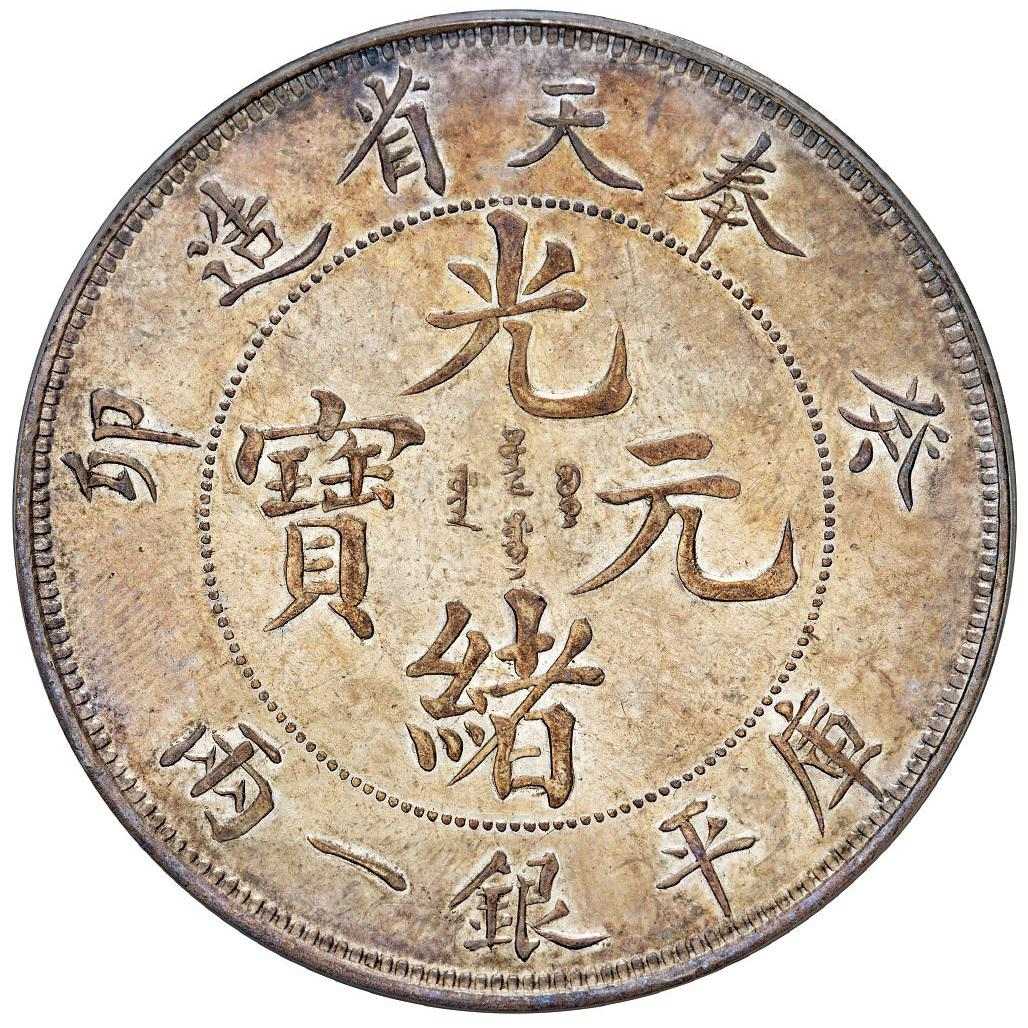
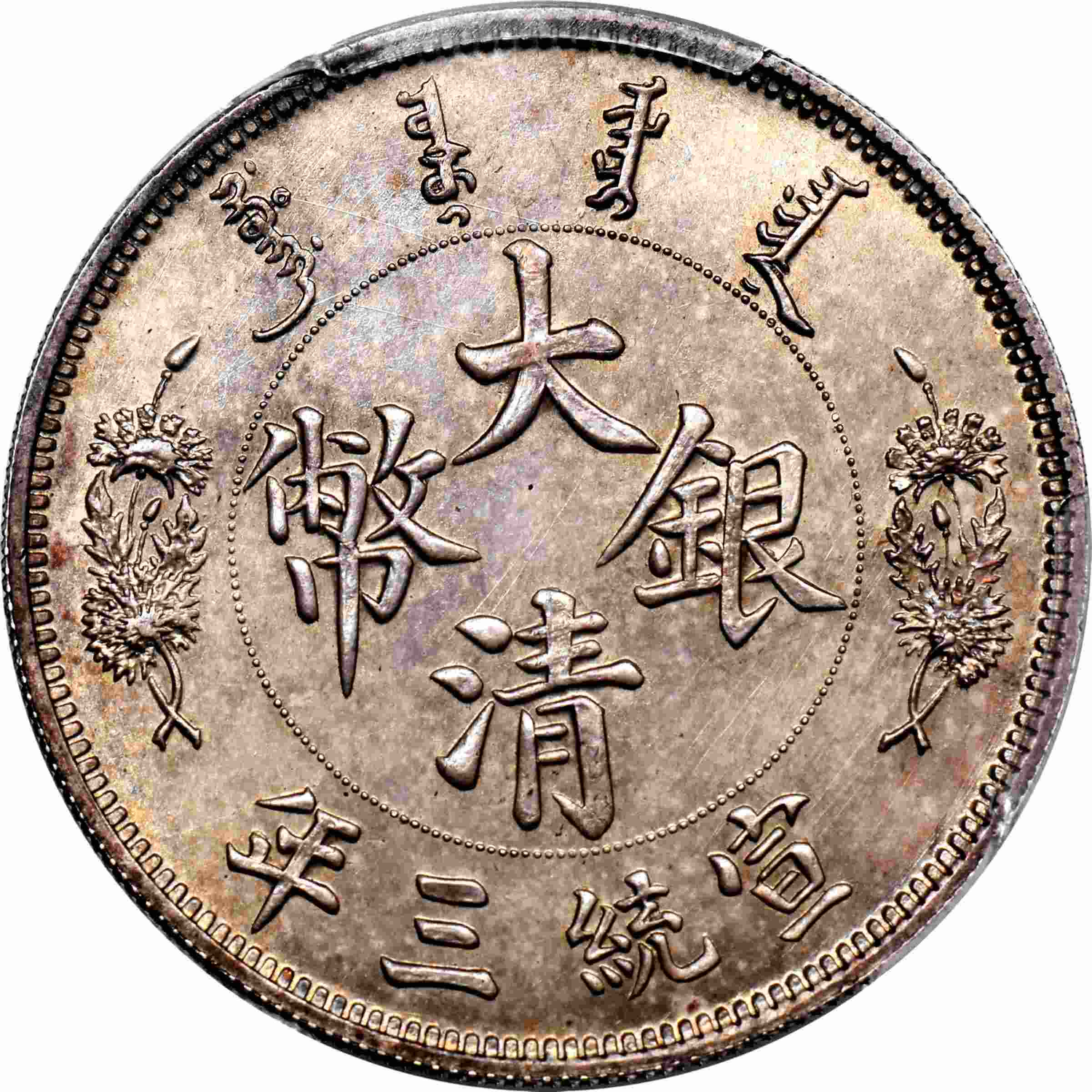
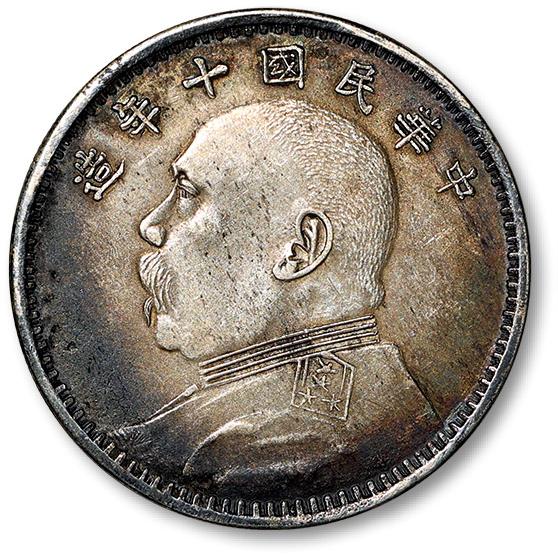
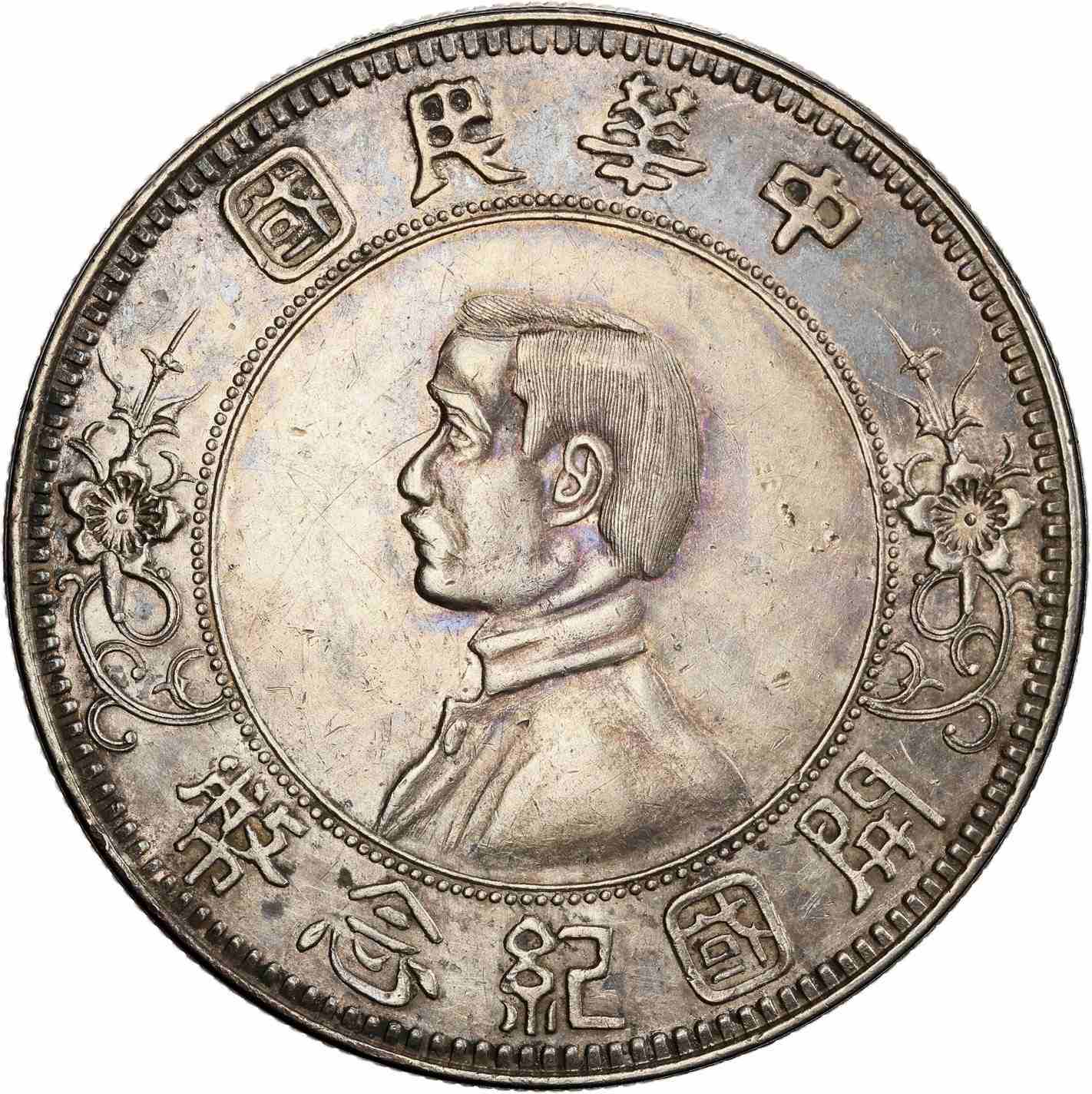
If you happen to have such blackened old silver coins, Guangxu Yuanbao, Daqing Silver Coin, Yuan Datou, or Sun Xiaotou at home and are unsure how to handle them or want to know their true market value, please confidently entrust them to a professional recycling team!
Ancient & Modern Treasures Appraisal has been deeply rooted in Hong Kong and its surrounding areas for many years. We boast:
- Professional Appraisal Team: Well-versed in PCGS/NGC grading standards, capable of accurately identifying various rare editions and natural patinas, ensuring your collection's true value is never underestimated.
- Transparent Quotation Mechanism: We quote based on international market auction trends and real-time precious metal exchange rates, ensuring fair and transparent pricing.
- Convenient and Secure Transactions: We offer free initial photo appraisals online and support door-to-door recycling services throughout Hong Kong, with instant settlement via cash or FPS (Faster Payment System), ensuring safety and reliability.
Never let a hasty "cleaning" wash away centuries of history and the rich value of your family heirloom! Preserving its original state is preserving wealth.
👉 Book a free appraisal and high-price recycling quote now! Business Name: Ancient & Modern Treasures Appraisal Contact WhatsApp: (852) 9834 2057 (Feel free to send clear photos of the obverse, reverse, and reeding at any time; a dedicated specialist will provide you with a one-on-one free appraisal and professional quotation service!)