Decluttering Checklist: Can Those "Broken Chains" and "Single Earrings" Hidden in Your Drawers Actually Be Worth So Much Money?
Hello everyone, I am the person in charge of Ancient & Modern Treasure Appraisal. In modern urban life, we often hear the term "decluttering," but did you know that it is not only a philosophy of life but also a precise financial reckoning? In our many years of recycling experience, we have found that many people's "clutter" accumulated deep in their drawers—such as broken K-gold necklaces, single earrings that have lost their match, or even empty boxes of luxury brands—actually constitute a huge "invisible micro-asset library."
When organizing their rooms, many people often put these damaged or deformed pieces of jewelry aside, feeling that they are "unpresentable," or even throw them away as trash. Today, from the perspective of a professional recycler, I will provide an in-depth analysis of the pricing mechanism in Hong Kong's gold and old items recycling market. This latest 2026 high-value cash-out guide will not only teach you how to accurately calculate the value of these invisible assets but also selflessly reveal the industry's hidden traps, helping you to enhance your awareness and transform the "junk" in your drawers into a substantial cash flow!

Chapter One: Forgotten Wealth—Why Is "Broken Jewelry" Still Valuable?
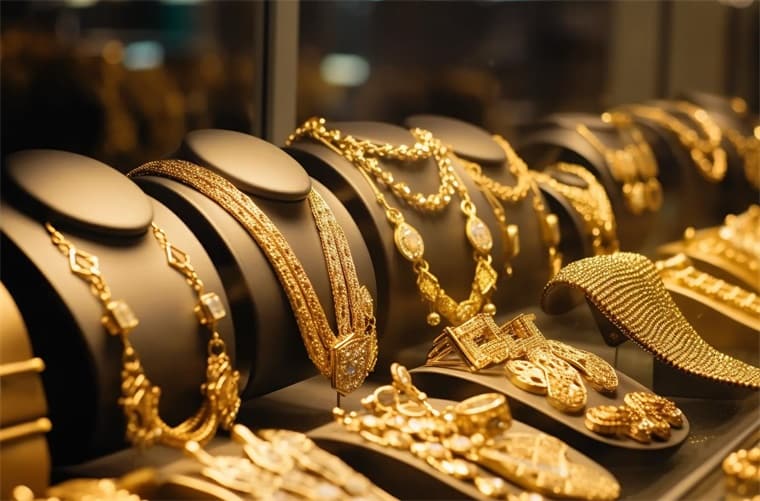
In the jewelry market, the value of a piece of jewelry is typically composed of "design aesthetics," "brand premium," and "material value." When jewelry suffers physical damage (such as a broken chain, deformed setting, or a lost earring), its design and brand premium may indeed approach zero, but its core "intrinsic material value" always remains constant.
For us professional precious metal recyclers or foundries, these damaged pieces of jewelry are considered extremely high-quality "raw materials." Regardless of whether the jewelry is deformed, as long as its chemical composition includes gold, silver, or platinum, it can ultimately be re-transformed into standard gold bars or new jewelry products after recycling, melting, and refining. Therefore, leaving damaged K-gold or pure gold jewelry in a drawer is undoubtedly a significant loss of "opportunity cost" in economic terms.
Chapter Two: 2026 Hong Kong Gold Recycling Price Trends and Calculation Guide
In the context of geopolitical and global economic fluctuations in 2026, gold, as the ultimate safe-haven asset, has repeatedly reached new highs. In Hong Kong, traditional gold shops typically deduct about 2% commission from the buying price unless otherwise specified. To avoid being "ripped off" by unscrupulous merchants (who initially quote a high price to attract customers and then lower it at the last minute), you must master the basic recycling price calculation formula:
Actual Gold Recycling Price = Weight of Jewelry × Current Day's Buying Price × (100% - Commission/Melting Loss and Other Fees)
To provide a more intuitive understanding, based on the recent gold market reference standard in 2026 (taking 9999 pure gold at approximately HKD 42,970/tael as the basis), and converted according to the daily exchange rate, we have compiled the following estimated recycling value reference table for various precious metals:
| Precious Metal Type | Gold Content / Purity | Estimated Recycling Reference Price (HKD)* | Market Positioning and Recycling Characteristics |
|---|---|---|---|
| Pure Gold (999.9) | 99.9% - 99.99% | Approx. HKD 4,297 / mace | Globally recognized safe-haven asset, highest recycling and preservation rates. |
| 22K Gold | 91.6% | Approx. HKD 3,936 / mace | Common in Southeast Asian and Indian jewelry, higher hardness. |
| 18K Gold (Au750) | 75.0% | Approx. HKD 3,222 / mace | Mainstream purity for high-end jewelry, single earrings or broken chains have high cash-out value. |
| 14K Gold (Au585) | 58.5% | Approx. HKD 2,513 / mace | Commonly used in light jewelry, medium gold content, still has stable recycling value. |
| 999 Platinum (Pt) | 99.9% | Approx. HKD 1,893 / mace | Has both industrial and investment demand, price is relatively lower than gold. |
(Note: The Hong Kong gold market uses the "Sze Ma Leung" system, where 1 tael = 10 mace = 37.429 grams. The above prices are for proportional reference only; the actual recycling amount will closely follow the international gold price and market fluctuations on the day.)
Chapter Three: Must-Read to Avoid Pitfalls! Decoding the "Four Hidden Traps" of the Gold Recycling Market
While converting old gold into cash can bring a considerable income, the Hong Kong gold recycling market is notoriously complex, and unscrupulous merchants employ countless tricks. As an honest recycling merchant, Ancient & Modern Treasure Appraisal reveals the four most common traps in the industry:

1. The Historical Excuse: "Melting Loss" Deduction
The term "melting loss" originated in the Qing Dynasty, when natural losses occurred during the melting and casting of fragmented silver into standard silver ingots. The government then used this as a reason to levy an additional tax of about 10%. In today's recycling market, "melting loss" should only refer to the minimal physical loss during melting and recasting. However, many unscrupulous merchants use this as an excuse to deduct 2% to 10% of your gold's weight beforehand. If you sell 10 mace of gold and 5% is deducted for melting loss, you will only be paid for 9.5 mace, resulting in a significant loss.
2. The Vanishing Weight Trick: "Ghost Scales" with Remote Control
Weight is the absolute key to determining value. Illegal merchants often use modified electronic scales (colloquially known as "ghost scales"), which have wireless chips implanted internally. The operator can remotely control them within 13 meters using a device similar to a car key.
- Button A: Restores accurate real weight.
- Button B/C: Deducts 0.2 grams when pressed.
- Button D: Instantly "shrinks" the weight by a percentage. Additionally, unscrupulous individuals also exploit the ambiguity of conversion between the unique "Sze Ma Leung" (37.429 grams) in Hong Kong and grams, quoting a high price in "grams" and then misleading sellers with unit conversion during weighing.
3. The Deceptive "Fire Washing Scam"
Some merchants, during destructive "fire assay" testing, secretly sprinkle chemical powders such as tin or lead onto the gold, causing the surface of the gold to turn black after being heated. They then falsely claim that your gold has "insufficient purity" or "is adulterated" to significantly lower the recycling price. Please remember: true gold fears no fire, and pure gold should become more transparent when heated.
4. The False Prosperity of "Last-Minute Price Drop"
Some shops display a "buying price" higher than the international gold price outside their doors to attract customers. However, during the actual transaction settlement, they invent various charges, such as extremely high handling fees, commissions, and depreciation fees, resulting in a significantly reduced final payout.

Chapter Four: True Gold Fears No Fire? Home Testing vs. Professional XRF Spectrometer - The Ultimate Showdown
To prevent being scammed, we recommend that you conduct a preliminary test on your jewelry using a few simple methods before going out:
- Magnet Test: Real gold is not magnetic. If your jewelry is strongly attracted by a powerful neodymium magnet, it is usually a fake or a very low-purity alloy containing iron, nickel, or cobalt.
- Ceramic Plate Test: Gently scratch the jewelry on an unglazed ceramic plate. Real gold will leave a golden streak, while fake gold will leave a black or dark streak.
- White Vinegar Test: Immerse the jewelry in white vinegar for about 15 minutes. Real gold will remain shiny and not change color, while fakes will show discoloration or corrosion.
However, these home tests are for preliminary reference only. At Ancient & Modern Treasure Appraisal, we have abandoned traditional and destructive "fire assay" testing and have invested in internationally leading XRF (X-ray Fluorescence) Spectrometers. This non-destructive testing technology can accurately analyze the precise proportions of elements such as gold, silver, and copper within seconds, without damaging the jewelry's appearance, and display the data directly on the screen. This not only avoids the subjectivity of human judgment and disputes over "melting loss" but also ensures absolute fairness, justice, and transparency in the transaction process.
Chapter Five: Bonus - Ancient Coins and Luxury Brand Empty Boxes in Your Drawer
In addition to gold jewelry, your drawer might be hiding other "invisible assets" with significant cash-out value:
1. Inherited Antique Silver Coins and Old Banknotes
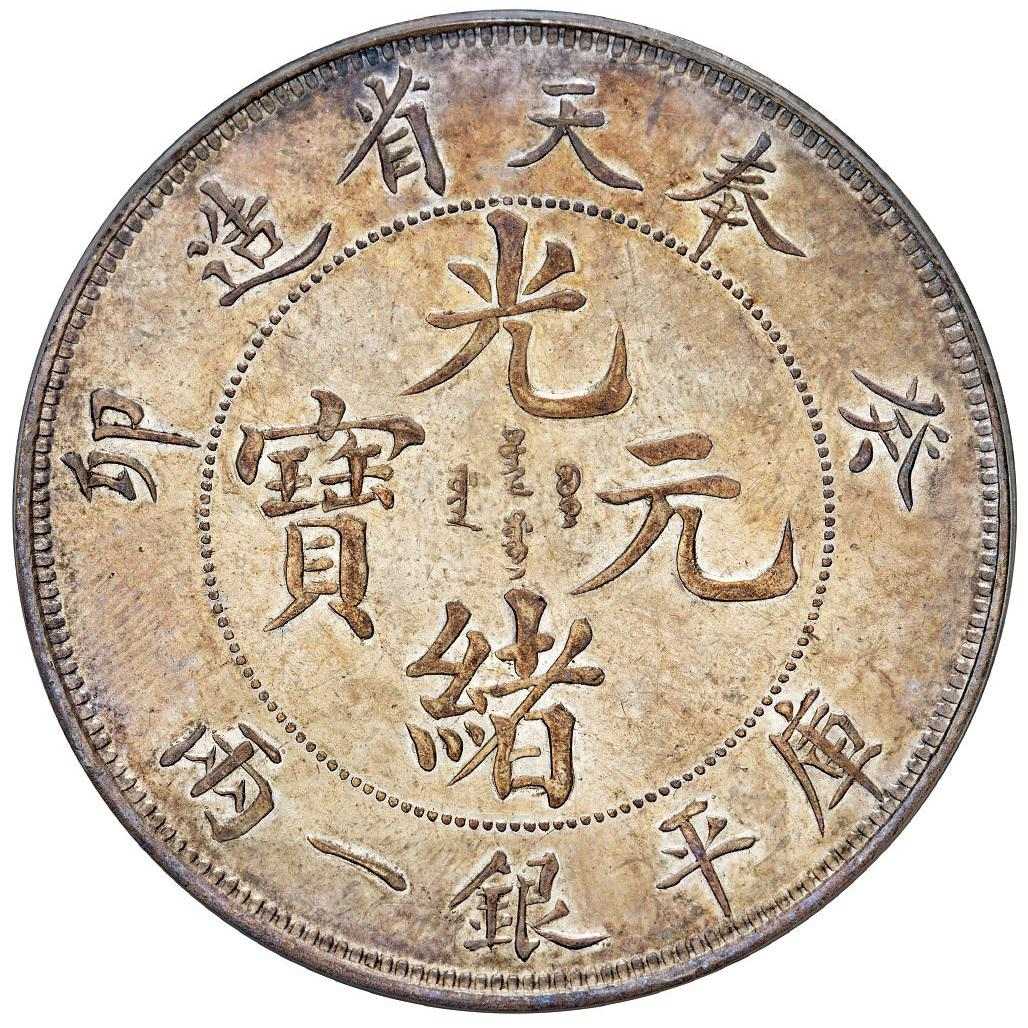
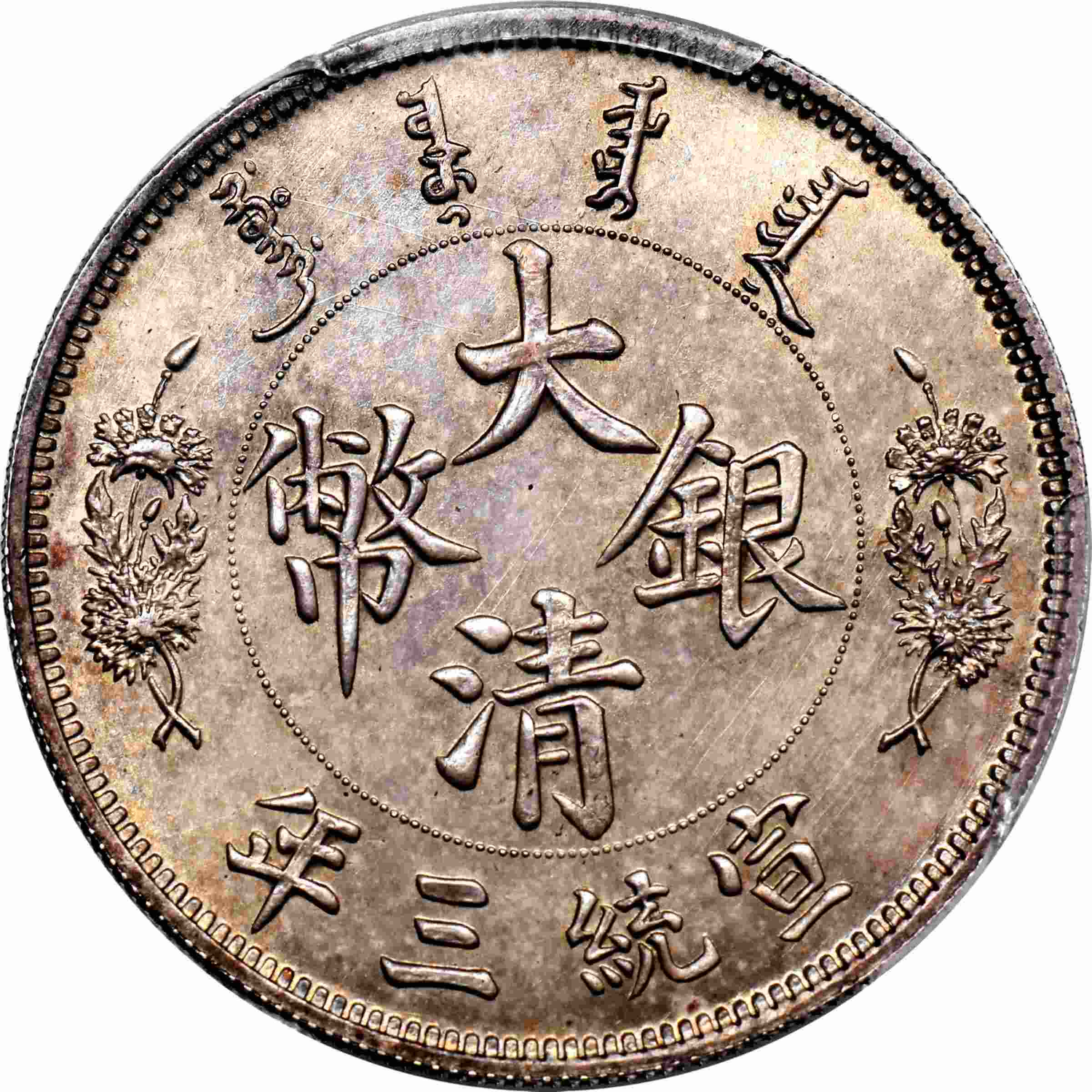
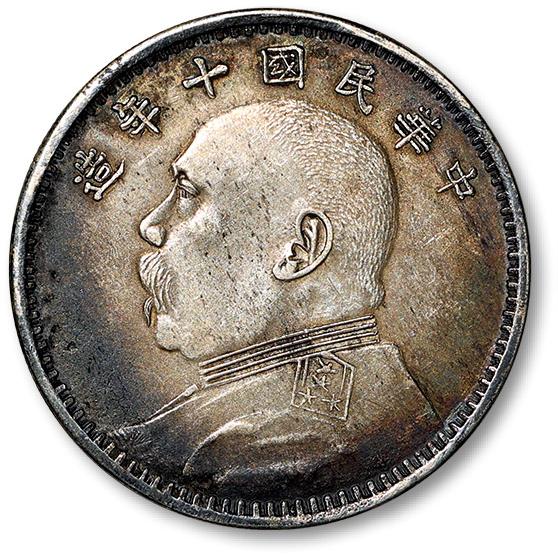
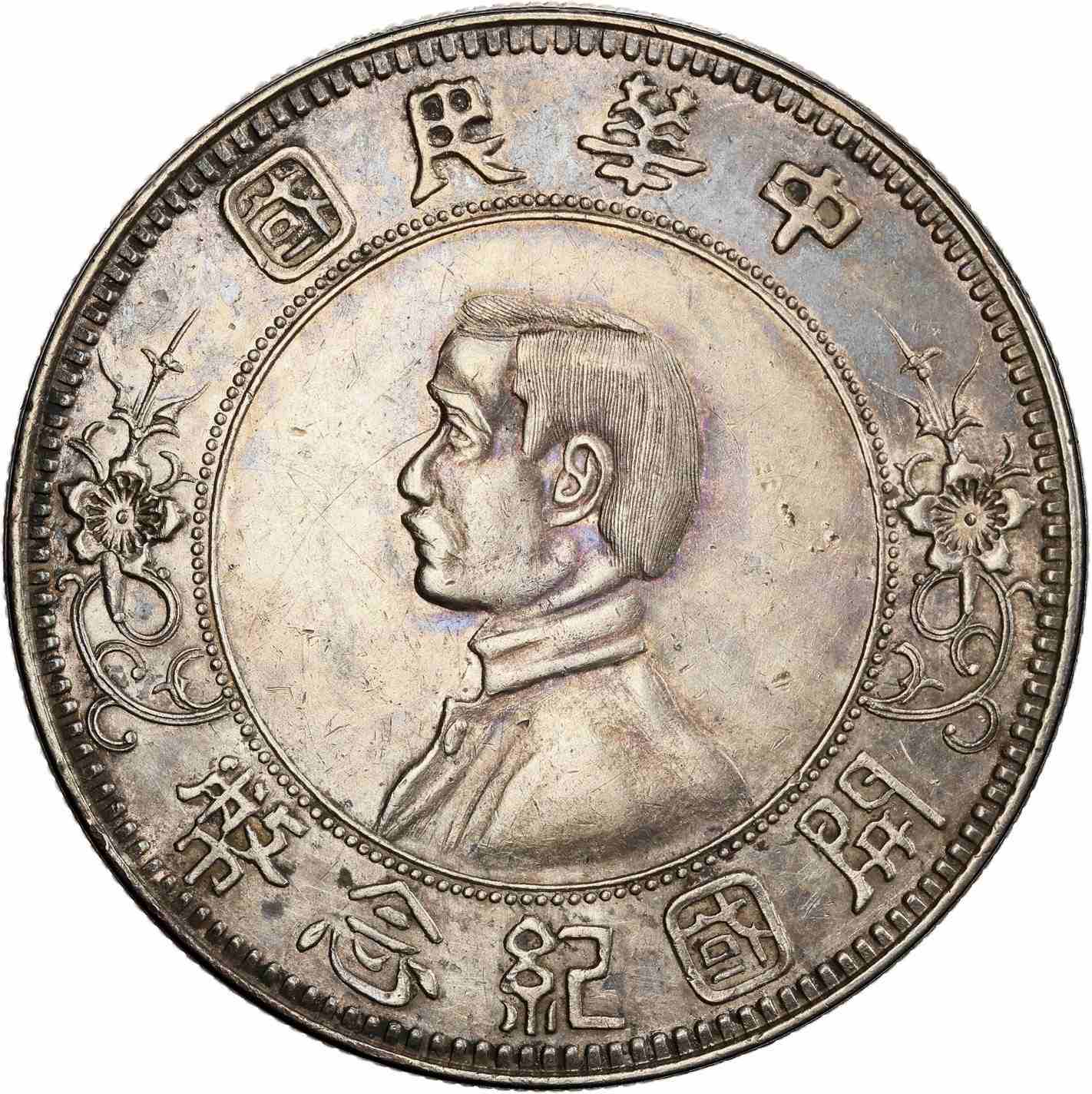
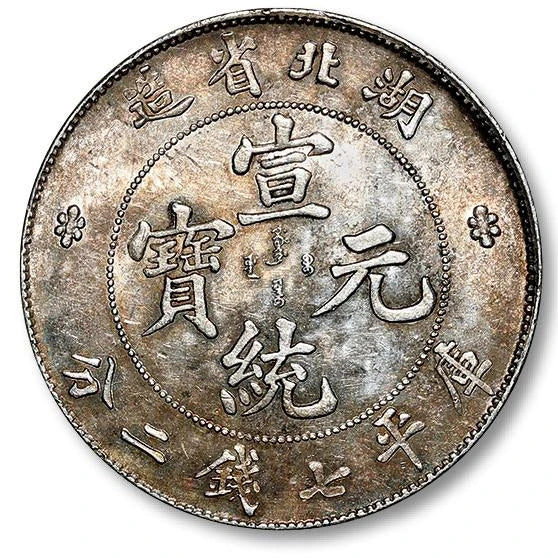
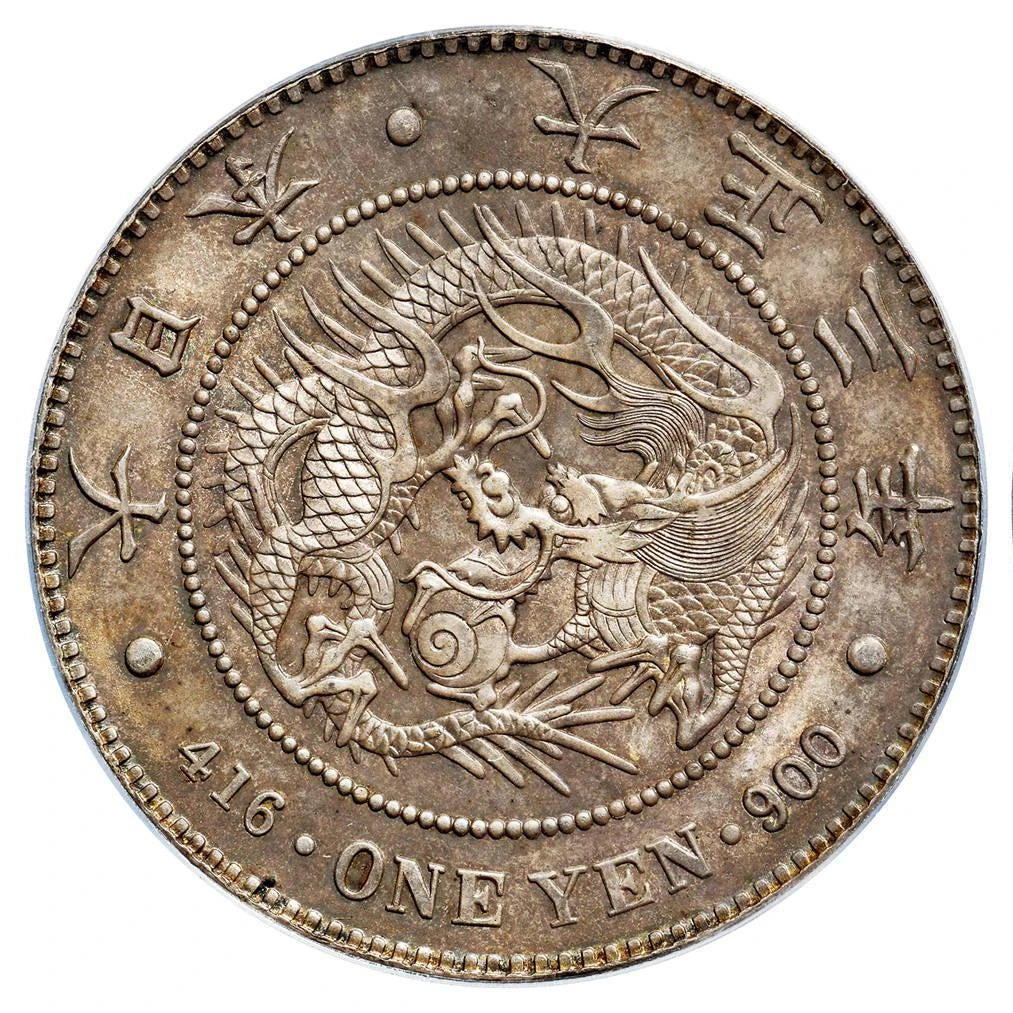
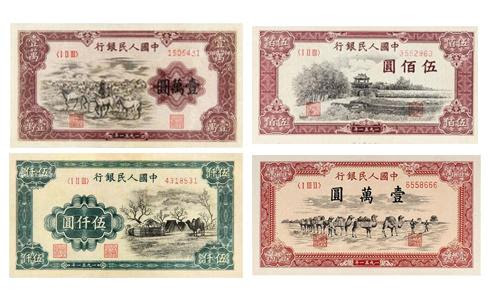
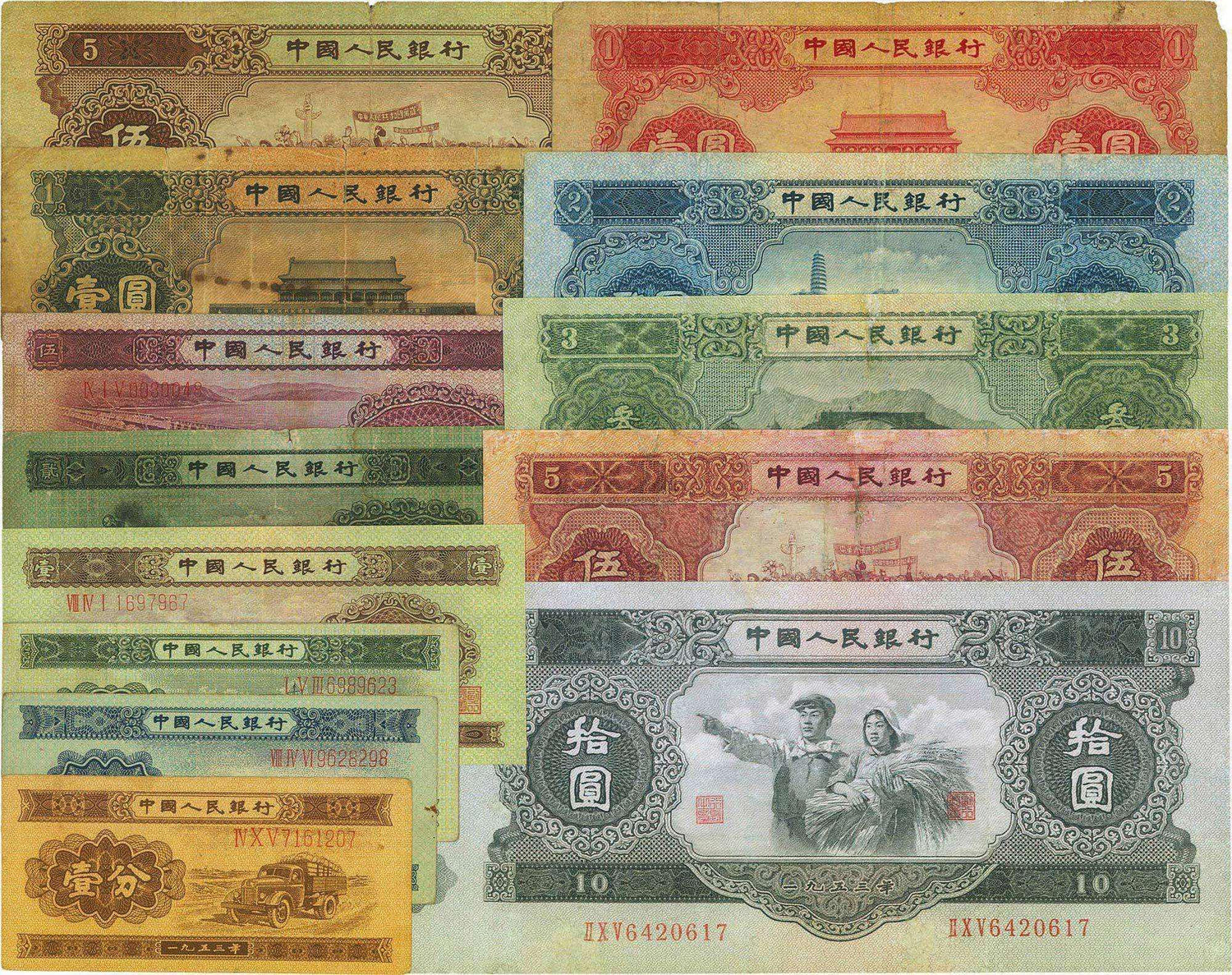
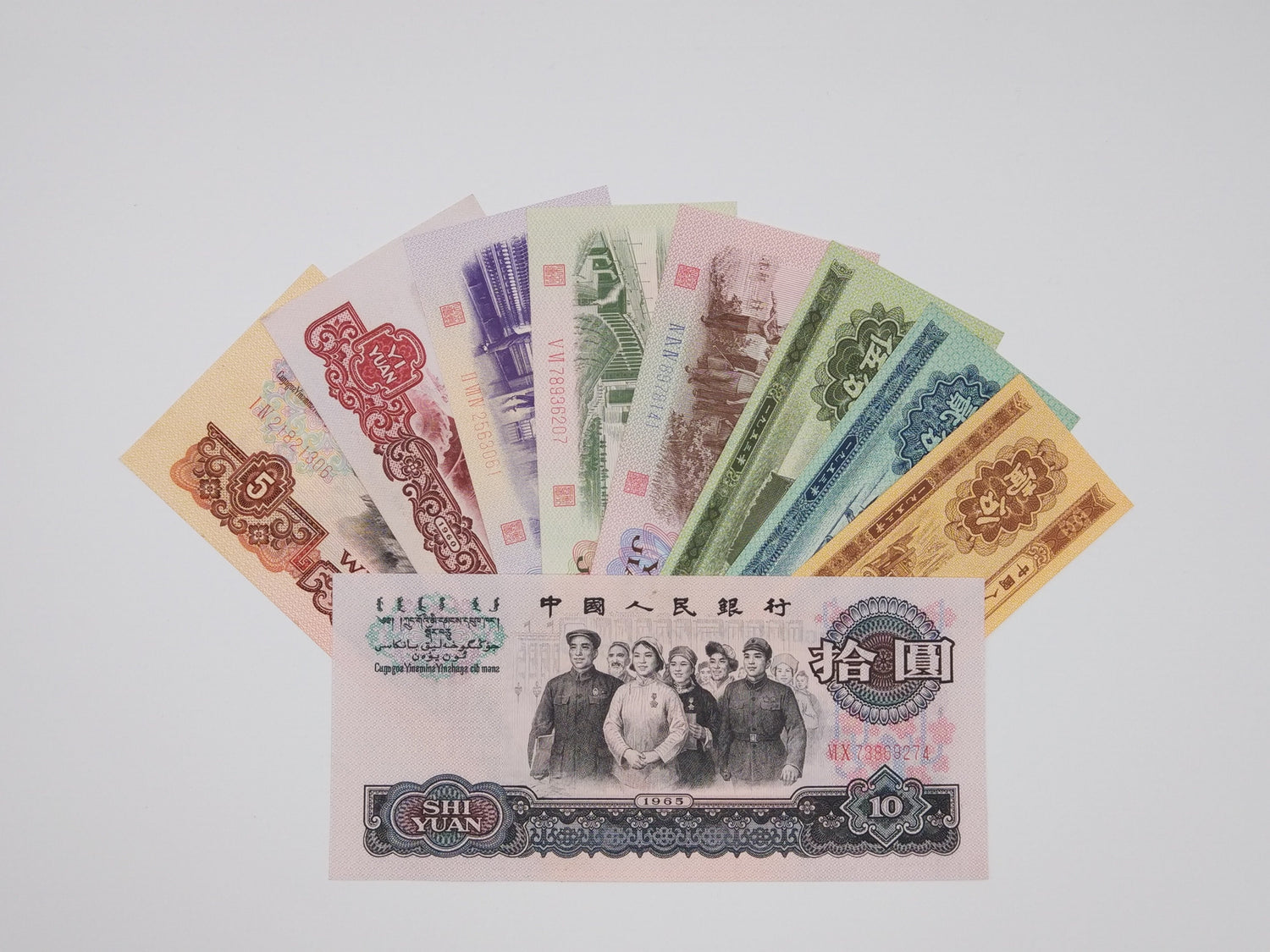
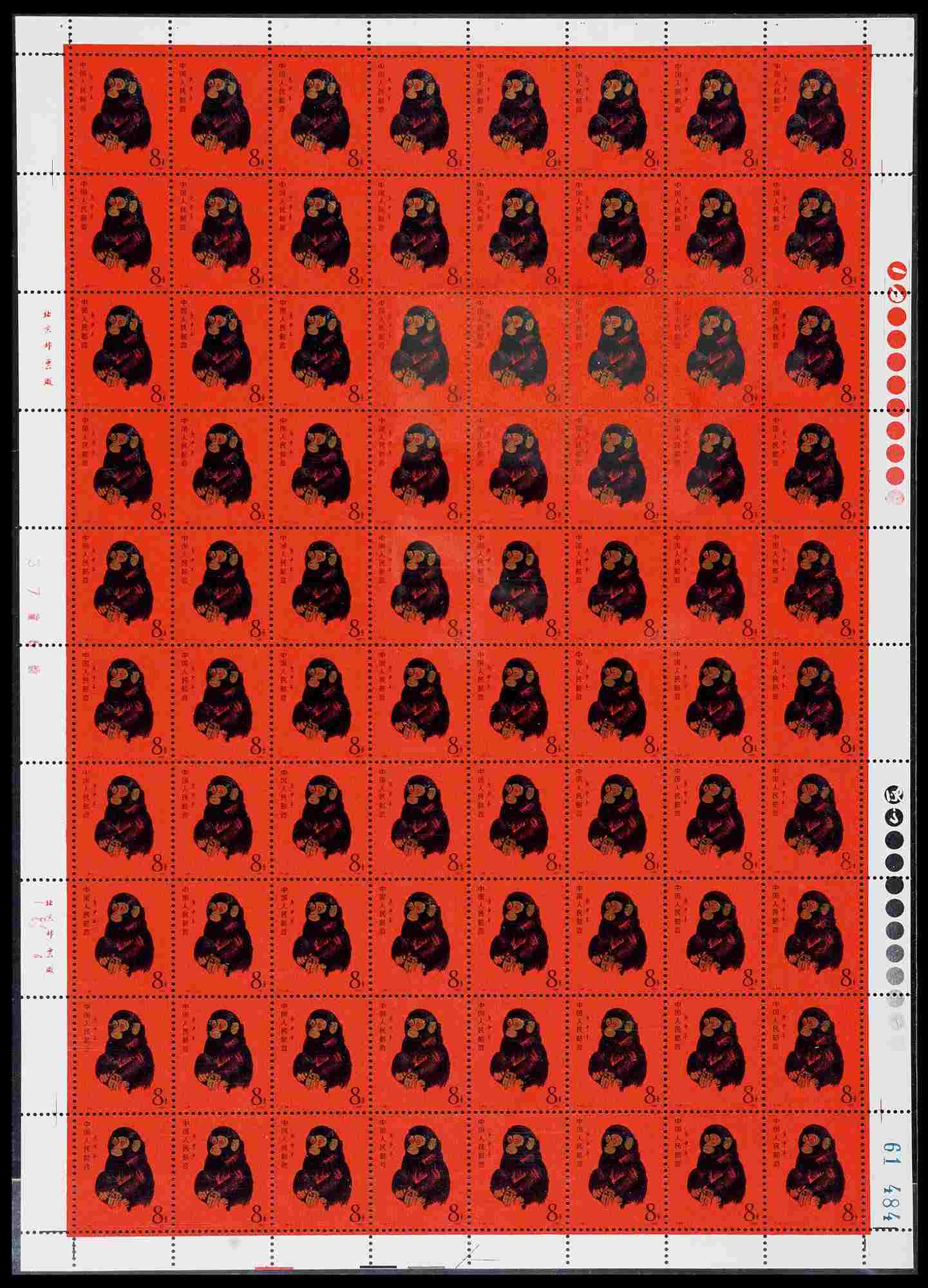
Many households still have silver coins (such as "Yuan Datou" dollars, Qing Dynasty silver coins, Japanese Dragon silver coins, etc.) or old versions of Renminbi passed down from elders. In the 2026 auction and recycling market, safe-haven funds are pouring into the market for machine-minted coins, which have characteristics of hard currency. Taking "Yuan Datou" dollars as an example, their value is by no means solely linked to the weight of silver in the market, but rather depends on the "year" (such as the third, eighth, or ninth year of the Republic of China) and the "rarity of the version." A Qing Dynasty silver coin with top-tier condition or a special variant (such as a pattern coin) can have a vastly different value compared to ordinary circulating coins. Ancient & Modern Treasure Appraisal has a professional coin appraisal team that can accurately assess its historical premium and collection value.
2. "Empty Boxes" and Dust Bags of Luxury Brands
When decluttering, most people discard luxury packaging as waste paper. However, in the luxury second-hand market, these "accessories" have independent circulation value. According to 2026 second-hand market reference prices (converted at the daily exchange rate), a well-preserved Chanel leather box with a dust bag set can be estimated to be worth HKD 290 to HKD 360; a large Hermes orange box can also reach HKD 240 to HKD 360; LV or Gucci paper box and dust bag sets also have a market value of HKD 200 to HKD 300. Keeping these original factory packaging not only allows for separate cash-out but also significantly increases the overall resale value when sold together with a pre-owned bag.

Chapter Six: Why Choose "Ancient & Modern Treasure Appraisal"? The Highest Price Recycling Experience in Hong Kong
The gold market fluctuates rapidly, and choosing the right recycling channel can result in a difference of hundreds or even thousands of Hong Kong dollars in the actual amount received. Traditional jewelry stores usually charge a 2% commission and deduct for melting loss; pawn shops can provide immediate cash, but the recycling price is often only 70% to 90% of the market price.
Ancient & Modern Treasure Appraisal is committed to breaking down industry information asymmetry and providing the most professional and transparent gold and old items recycling services to Hong Kong citizens:
- Adherence to "Three Free Services": We promise no commission, no melting loss, and no handling fees. We firmly price based on the international quote of the day and the precise weight detected by the spectrometer, never undercutting prices.
- Legal and Compliant, Instant Funding: We strictly adhere to Hong Kong regulations, conducting real-name registration to protect the rights of both parties. For large cash-outs (recycling amounts exceeding HKD 120,000), we strictly follow "Category A Registered Trader" regulations, settling instantly via bank transfer or Faster Payment System (FPS). Funds reach your account in seconds, ensuring safety and reliability.
- Flexible and Convenient Free Door-to-Door Service: Whether you are in Hong Kong Island, Kowloon, or the New Territories, we provide dedicated free door-to-door recycling services, allowing you to safely convert your idle assets into cash without leaving your home.
Conclusion
Every act of "decluttering" is an opportunity to re-examine your wealth. Those broken chains, single earrings, old phones, and ancient coins lying in your drawers are quietly waiting to be re-valued. Don't let your wealth be swallowed by opaque "weight deductions" and "commissions" any longer!
Want to know how much your old gold jewelry, gold bars, or silver coins are worth?
Act now and transform your idle treasures into the highest cash value! Feel free to contact us for a free professional appraisal service:
📞 WhatsApp Hotline: (852) 9834 2057 💬 WeChat: john19998
Ancient & Modern Treasure Appraisal, your most trusted invisible asset management expert. We offer free online consultations 24/7 and look forward to hearing from you!