An old banknote, two memories: How does the "steelworker" on the third edition of the Renminbi reflect the factory years under Lion Rock in Hong Kong?
The marks of the era on the tickets: Who are they?
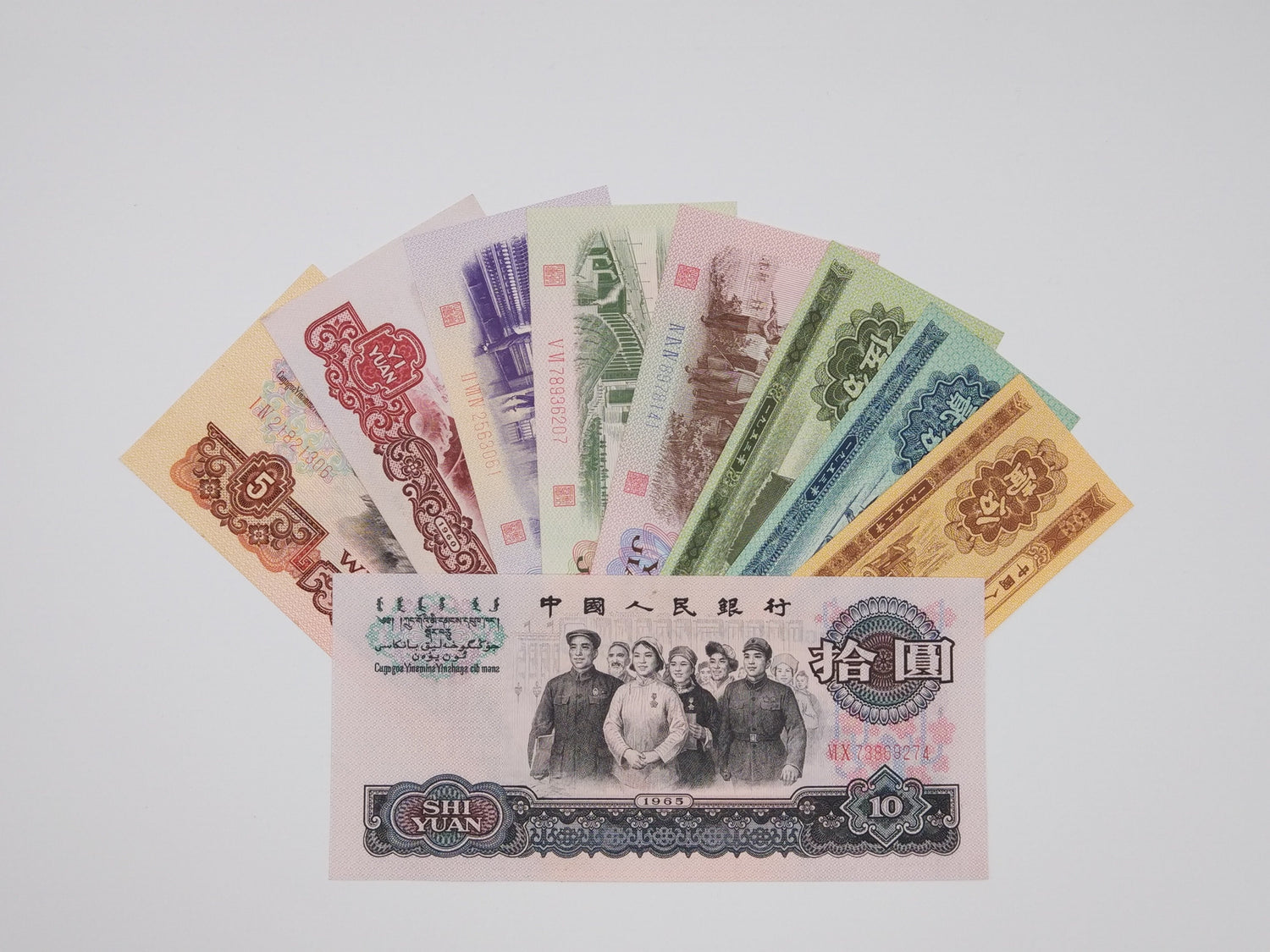
In an era of relative scarcity of resources but high morale, the design of the third edition of the Renminbi featured ordinary yet extraordinary laborers as its protagonists. They were the builders of the nation and a microcosm of the times.
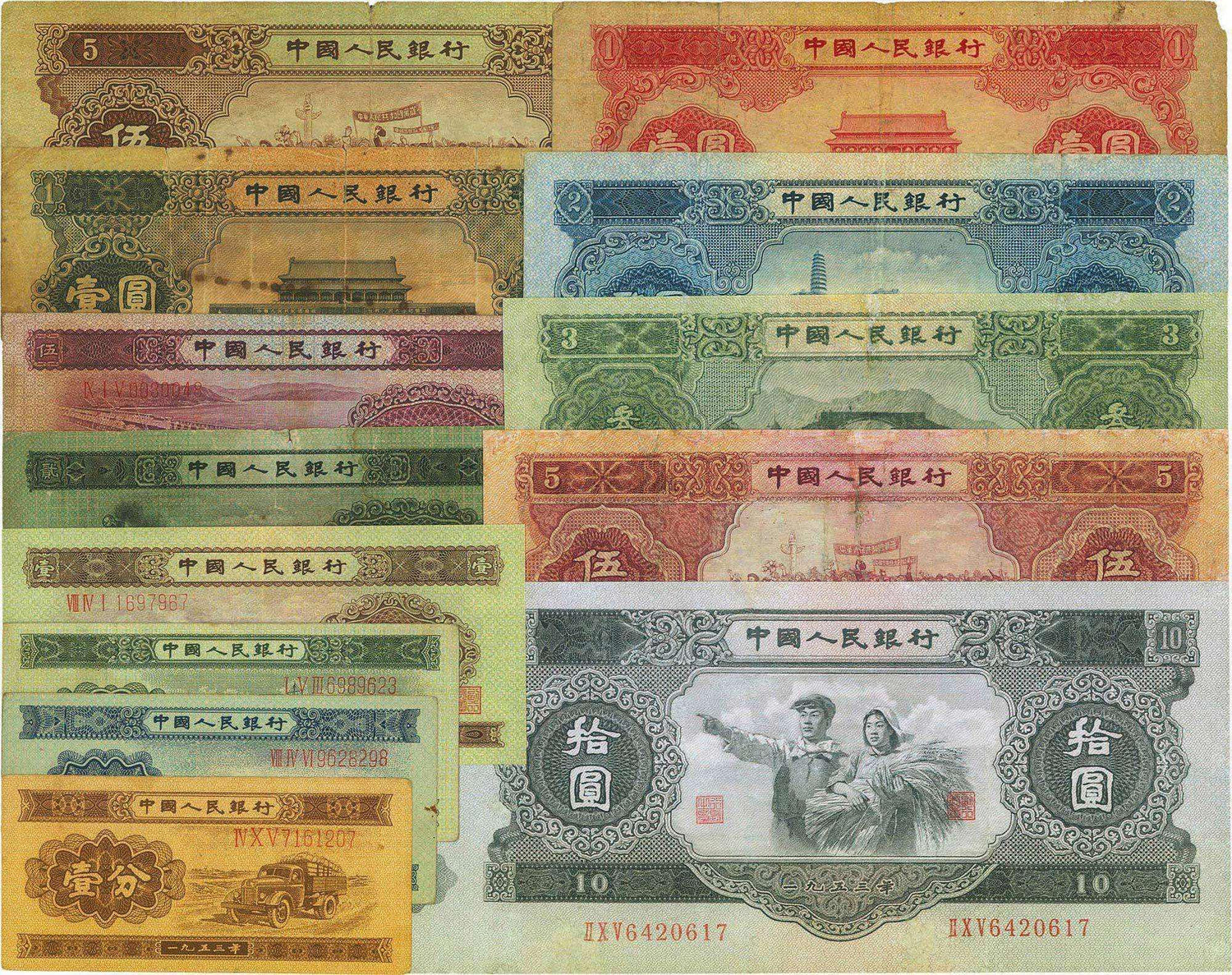
Heroine on the One Yuan Note: Liang Jun, the Female Tractor Driver

The one-yuan note in your hand features Liang Jun, the first female tractor driver in New China. In the 1950s, women operating tractors to cultivate the fields was a revolutionary symbol of breaking with tradition and pursuing liberation. She represented the era's thirst for new technologies and the new social outlook of women "holding up half the sky."
Does this passion and energy remind you of those "factory girls" in Hong Kong textile factories who operated looms day and night, supporting their families with their skillful hands? They were also pioneers of the times and heroes of their families.
The industrial backbone depicted on the five-yuan note: "Steelworkers".

The steelworker on the five-dollar note, with his resolute gaze and standing before the roaring furnace, is a true reflection of the industrialization wave of the 1960s. He symbolizes a new society's boundless aspiration for "national prosperity through industry" and its unwavering determination. This dedication to industry is strikingly similar to Hong Kong's golden age.
A parallel universe across the Hong Kong Strait: When "steelworkers" meet "Made in Hong Kong".
While the third edition of the Renminbi was widely circulating in mainland China during the 1960s and 70s, Hong Kong was undergoing a remarkable transformation from a transshipment port to the world's factory. The stories of struggle and hard work of the people in both places form a fascinating contrast in the long river of history.

The steelworkers depicted on the banknotes are pursuing high steel production, while on the other side of Hong Kong, countless families are producing toys, watches, and textiles for the world. Behind the "Made in Hong Kong" label are countless Hong Kong people like the "steelworkers," who work silently and strive for a better future.
-
Similar sweat: whether in front of the furnace on the mainland or beside the assembly line in Hong Kong, the same sweat is being shed to improve lives.
-
The shared spirit is the "Lion Rock Spirit," characterized by fearlessness in the face of hardship, flexibility, and a willingness to strive; it is also a spirit of labor that fights for collective honor.
-
A crossroads of history: Many Hong Kong families have ancestors or relatives who migrated from the mainland. This banknote may have passed through their hands, carrying remittances, tokens of affection, and longing, ultimately becoming a cultural symbol connecting the memories of the two places.
Why is it worth treasuring? Because it preserves our past.
Today, when we examine these old coins again, their value far exceeds their face value.
-
Emotional value: It is a miniature history book, a tangible testament to the struggles of our parents and grandparents. Collecting it is like collecting a shared memory that is within reach.
-
Cultural value: It allows us to tell the next generation how the hardworking and resilient spirit inherent in the Chinese people, no matter where they are, has created one miracle after another.
-
Market potential: In addition to its cultural significance, the third edition of RMB has long been a favorite in the coin and banknote collecting market due to its special issuance background, long circulation period, and the scarcity of some rare versions (such as the "green back watermark one jiao"), and its market value has continued to grow steadily over the past few decades.
Your treasured collection deserves to be seen and passed down.
Do you also have a set of the third edition of RMB banknotes, each with its own story, treasured in your home? Perhaps it was passed down from an elder, or perhaps it was an old item found unintentionally. Their mission did not end with their withdrawal from circulation.
At **" Ancient and Modern Treasures Appraisal ," we do more than just buy old banknotes; we are committed to discovering and respecting their historical value. We have a team of experienced experts who provide professional, free appraisal services and buy back your items at the fairest market prices, ensuring your treasures continue to shine in the hands of new collectors.
It's time to let this dormant history shine with new value.
Contact " Ancient and Modern Treasure Appraisal " now for a free appraisal of your third edition RMB banknotes.
Let's explore the stories and true value behind your collection together.
-
📲 WhatsApp Instant Consultation: 98342057 (Click the number to chat immediately)
- 📞 Hotline: 852-98342057
Our commitment: Professional appraisal | Fair pricing | Secure transactions | Respect for heritage