

古金鑒寶
[Ancient Gold Appraisal] Buying back the first edition of the 1949 Renminbi 100 Yuan note.
[Ancient Gold Appraisal] Buying back the first edition of the 1949 Renminbi 100 Yuan note.
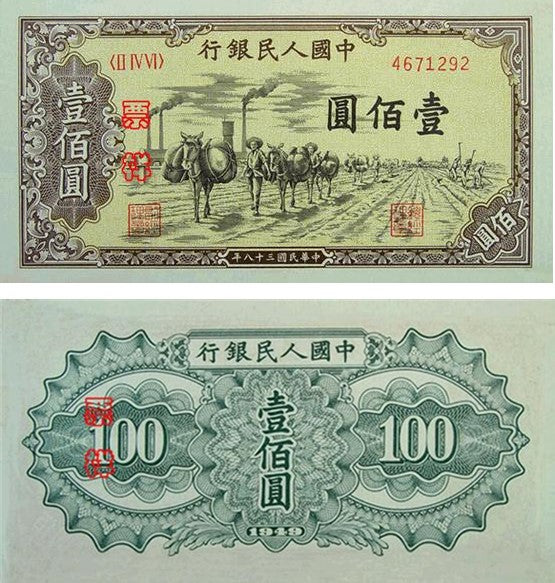
The "Mule Train" 100-yuan banknote is a denomination from the First Series of Renminbi, issued in 1949. Its obverse depicts two mules carrying goods, symbolizing the logistics and trade activities of China at that time, while the reverse features an ornate decorative design. Predominantly red, this banknote possesses distinct characteristics and historical significance of its era.
1949 First Series Renminbi "Mule Train" 100-Yuan: Issuance Records and Specification Details
To provide collectors with a deeper understanding of their treasured items, we have compiled detailed records for this early banknote. The First Series of Renminbi was issued in the early days of the New China, holding immense transitional significance. Understanding its physical specifications is the first step in authenticating old banknotes.
| Specification Item | Detailed Information | Collection and Authentication Significance |
| Issuance and Withdrawal Dates | Issued on November 5, 1949, and ceased circulation on May 10, 1955. | With a circulation period of only five and a half years, and due to the economic conditions at the time, market consumption was extremely high, leading to the scarcity of high-grade First Series Renminbi that exist today. |
| Banknote Dimensions | 132 mm × 69 mm | Accurate measurement of dimensions is one of the basic standards for initial authentication when acquiring old banknotes. |
| Prefix and Serial Number | Three prefixes (Roman pinyin), seven-digit serial number. | The serial number arrangement of early banknotes is unique, and the rarity of prefixes and serial numbers directly affects the coin collecting market trends. |
| Printing Process | Four-color offset printing | Although printing technology was limited at the time, the color layers were distinct. Genuine banknotes have a unique aged feel and sedimentation of ink, while counterfeits often have exaggerated or harsh colors. |
| Watermark Features | No watermark | Most First Series Renminbi banknotes do not have watermarks, so anti-counterfeiting relies heavily on "hidden marks" and unique pattern engraving techniques on the banknote surface. |
Experts Show You the Ropes: Authenticity and Hidden Mark Features of the Mule Train 100-Yuan
When the First Series of Renminbi was issued, to prevent counterfeiting, designers hid many tiny texts or symbols in the layout, known as "hidden marks." Mastering these First Series Renminbi Mule Train hidden marks is key to enhancing your collecting expertise:
- Tracing Hidden Marks on the Obverse Design: Carefully observe the geometric mesh pattern on the left side of the obverse with a magnifying glass; you can usually find hidden characters such as "中" (zhong) or "人" (ren).
- Border and Decorative Details: The lines of genuine banknotes' borders are continuous and clear, no matter how subtle, while counterfeits, due to the offset printing and reprinting process, often exhibit blurring, broken lines, or ink smudging at these fine pattern intersections.
- Paper Material Identification: The papermaking process in the early days of the PRC in 1949 was unique; the paper often had a characteristic rough texture and toughness of the era, completely different from modern paper. After decades, genuine banknotes will show a natural patina and aging.
Finding Professional Old Banknote Appraisal and Acquisition Channels
Whether your "1949 Mule Train 100-Yuan" is a family heirloom or an accidental acquisition from years ago, proper preservation and professional value assessment are crucial. Gu Jin Jian Bao offers high-price recycling of old Taiwanese banknotes and free online appraisal services. We not only acquire the First Series of Renminbi but also cover the Second Series, Third Series of Renminbi, and various rare historical banknotes. Avoid self-cleaning or repairing, which can devalue the banknote, and let our professional team provide you with the most sincere monetization solution.
Gu Jin Jian Bao specializes in recycling various ancient coins, including Chinese coins from all dynasties, silver dollars, banknotes, and other rare collectibles. With professional appraisal techniques and rich industry experience, we provide safe and reliable recycling services for collectors and enthusiasts. For online consultation on old banknote recycling prices and acquisition, please contact us.
Gu Jin Jian Bao is a local antique coin and antique recycling shop, specializing in the authentication and valuation of collectibles such as silver dollars, banknotes, and gold jewelry. If you want to know the value of your collectibles, just WhatsApp 98342057 and send us a photo. Every transaction involves on-site inspection and immediate quotation, without hidden price reductions.
Recommended Similar Recycling Series
You might also be interested in: Popular Similar Recycling Items
- 【Gu Jin Jian Bao】Recycling 1949 First Series Renminbi Factory and Train 100-Yuan
- 【Gu Jin Jian Bao】Recycling First Series Renminbi 1949 Plowing and Factory 100-Yuan
- 【Gu Jin Jian Bao】Recycling 1949 First Series Renminbi Obverse Donkey 50-Yuan
The condition of a banknote directly affects its recycling value. Please WhatsApp 98342057 with clear photos of the front and back; our experts will evaluate each banknote based on serial number, watermark, and condition. See All Recycling Products for more series.
![[Ancient Gold Appraisal] Buying back the first edition of the 1949 Renminbi 100 Yuan note.](http://hkancientcoin.com/cdn/shop/files/74c8209cdc1db899d8845d48c95ae7b0_fd4e9bf0-0e5a-47c1-926c-a20d920ff720.jpg?v=1726631546&width=1445)
![[Ancient Gold Appraisal] Buying back the first edition of the 1949 Renminbi 100 Yuan note.](http://hkancientcoin.com/cdn/shop/files/a8c176c68033e00945784180bed8227b_8ef7df5c-1af5-43a7-aad9-c794b052e9ce.jpg?v=1726631547&width=1445)
Frequently Asked Questions (FAQ)
Recycling process
-
1) Clients should first provide basic information about their collections via WhatsApp (852) 98342057. You can also contact us directly via this link.
-
2) We will provide a preliminary quote after receiving your information.
-
3) Both parties agree on a time and place (on-site inspection is available) to inspect the collection. We will provide a precise quote based on the actual condition of the collection.
-
4) Confirm the sale and make payment in various forms such as bank transfer or cash.
Antique gold appraisal and treasure buying with cash on-site service:
-

Recycling Guangxu Yuanbao
Guangxu Yuanbao Silver Coin Recycling: Varieties and Collection Value of Late Qing...
-
Recycling Guangxu Yuanbao
Guangxu Yuanbao Silver Coin Recycling: Varieties and Collection Value of Late Qing...
-
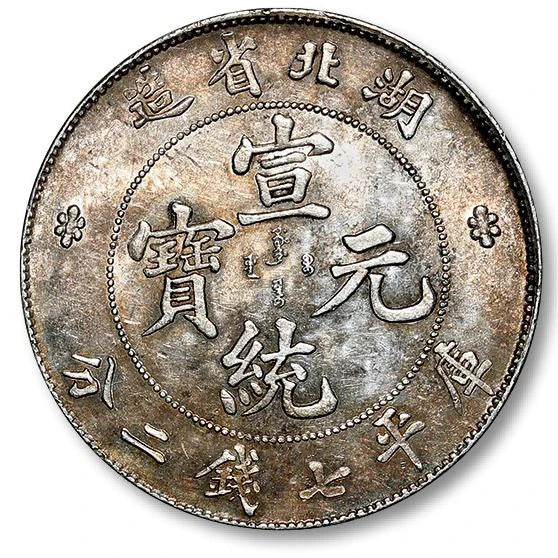
Recycling Xuantong Yuanbao
Xuantong Yuanbao Collection: Collecting and Appraising Silver Coins from Late Qing Dynasty...
-

Recycling Yuan Shikai silver dollars
Yuan Datou (Fat Man Yuan) Silver Dollars: The Most Recognizable Investment in...
-

Recycling Sun Xiaotou
Sun Yat-sen "Small Head" Silver Dollars: Authentication of Founding Commemorative Coins and...
-
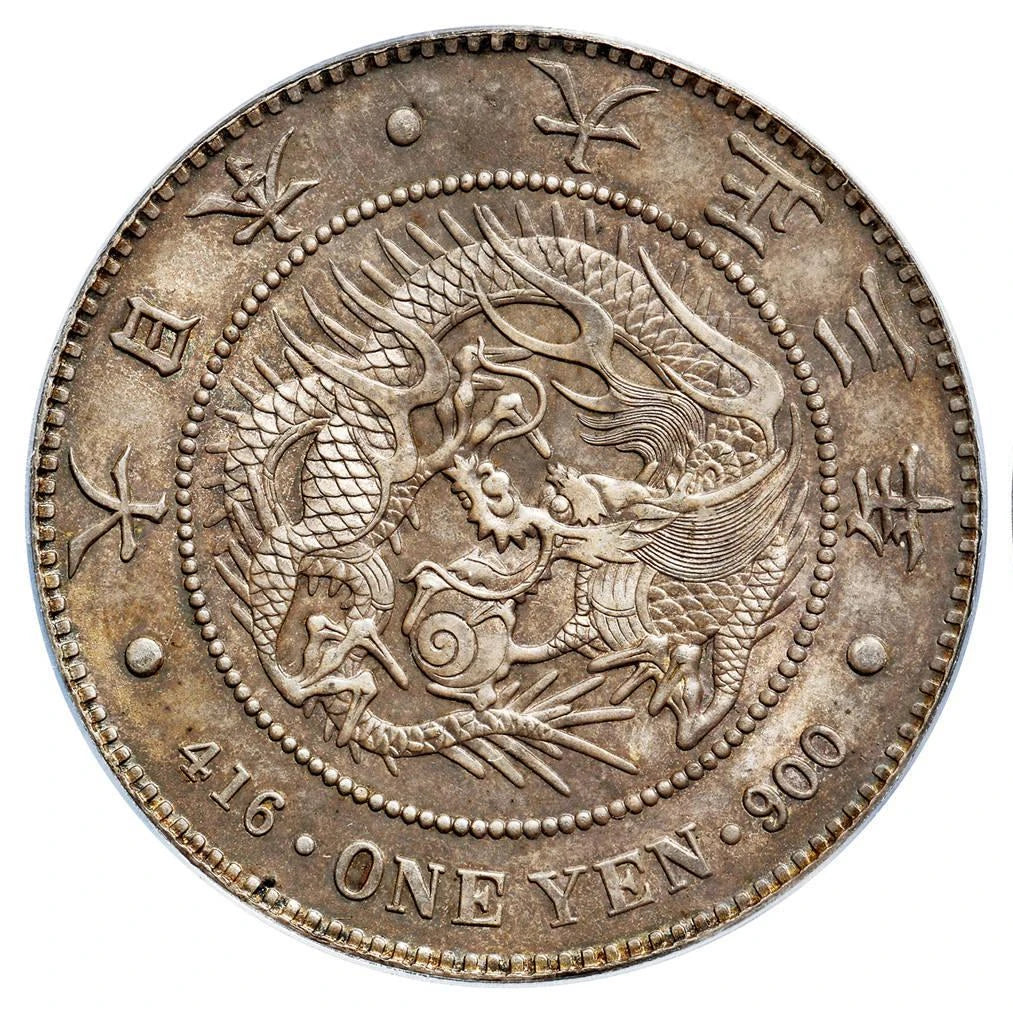
Japanese silver coins buyback
Recycling Japanese Silver Coins: Appraisal and Purchase of Meiji Dragon and Trade...
-

Recycling the first edition of RMB
First Series Renminbi Recycling: The Collection Value of the 1948 Founding Currency...
-

Second edition RMB banknotes are being recycled.
Second Series Renminbi (RMB) Collection: Market Value of Precious Notes Printed by...
-

Recycling the third edition of RMB
Third Series Renminbi Collection: The Classic "Green Back with Watermark 1 Jiao"...
-

Gold recycling
Gold Recycling: Instant Quotes for Gold Bars, Gold Coins, and Gold Jewelry...
-

Recycled porcelain
Porcelain Collection: Appraisal and Acquisition of Wares from the Song Dynasty to...
-

Stamp recycling
Stamp Collection: Cultural Revolution Stamps, Monkey Stamps, and Rare Stamp Market Trends...


