
古金鑒寶
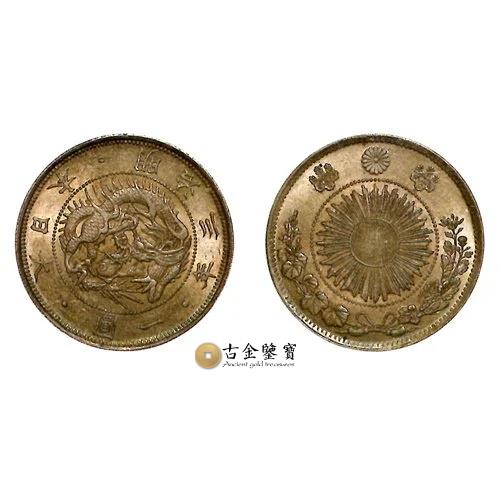
[Ancient Gold Appraisal] Buying and selling Japanese Meiji 3rd year one yen silver coin (1870)
[Ancient Gold Appraisal] Buying and selling Japanese Meiji 3rd year one yen silver coin (1870)
As a pioneering work in Japan's modern monetary history, the 1 Yen silver coin minted in 1870 (Meiji 3rd year), commonly known as the "Rising Sun Dragon Yen" or "Japanese Dragon Yen," holds immense historical and academic value. Not only was it among the first legal silver dollars issued after Japan implemented its new currency system, but it also represented the pinnacle of minting craftsmanship in Asia at the time. In recent years, with the continuous rise in Japanese Dragon Yen recycling prices, this Meiji 3rd year silver coin, acting as the "leader," has become a highly sought-after item in the investment-grade antique silver coin sector.
To help collectors better understand this valuable old coin, we have compiled professional specifications and market evaluation standards, assisting you in grasping the characteristics of the 1870 Japanese silver dollar.
🔍 Meiji 3rd Year (1870) 1 Yen Silver Coin: Physical Specifications and Version Features Analysis
Professional old coin appraisal and acquisition primarily focuses on the physical specifications of the coin. The Meiji 3rd year silver coin was minted with extremely strict standards. Below is a reference table for the specifications of a standard genuine product:
| Inspection Item | Detailed Specifications | Careful Appraisal and Collection Focus |
| Standard Weight | 26.96 grams (approx. 416 grains) | Weight is the first line of defense in identifying the authenticity of the Meiji 3rd year 1 Yen silver coin. Genuine coins have minimal error; be highly vigilant if the weight deviation exceeds 0.5 grams. |
| Metal Purity | 90% pure silver, 10% copper | The high silver content gives it a unique soft silver luster and a stable ringing sound when tapped, incomparable to modern alloy fakes. |
| Standard Diameter | 38.58 mm | Standard modern machine-made silver dollar size, with uniform and deep reeding on the edge. |
| Special Varieties | Regular edition / Error coins (e.g., Brockage, Inverted Dies) | Early minting techniques occasionally had die deviations. If special error varieties appear, their Japanese old silver coin acquisition price will increase exponentially. |
📈 Four Key Factors Affecting the "Price of Japanese Meiji 3rd Year 1 Yen Silver Coin"
In the market for high-price acquisition of old silver coins, the price of a Meiji 3rd year 1 Yen silver coin can vary by several to tens of times depending on its condition. Based on the standards of international grading agencies (such as PCGS, NGC), we break down the core elements that influence its recycling value:
| Grading and Value Dimension | Condition Description and Features | Market Value Impact |
| 1. Dragon Scale Strike (Strike) | Are the scales in the center of the dragon pattern立体 and clear, without wear? Early striking pressure was sufficient, and the completeness of high points (dragon's spine, dragon's pearl) is key. |
⭐️⭐️⭐️⭐️⭐️ Very high. The "full scale" condition, where all dragon scales are fully struck, is a target for top collectors. |
| 2. Surface Luster (Luster) | Does the coin surface retain its original "cartwheel luster" from minting or naturally formed toning (e.g., iridescent toning, rim toning)? |
⭐️⭐️⭐️⭐️ Strong. Washed/Cleaned silver coins destroy the original luster, significantly depreciating their value; beautiful old toning, however, commands a premium. |
| 3. Surface Wear (Wear) | The degree of wear on the text (Dai Nippon, Meiji 3rd year), cherry blossom branches and leaves, and sun rays. |
⭐️⭐️⭐️⭐️ Significant. Uncirculated (UNC) grade coins command a much higher price than circulated coins in Extra Fine (XF) or Very Fine (VF) condition. |
| 4. Edge Condition (Edge) | Is the edge free of nicks, chops (e.g., assay marks made by banks), or severe edge wear? |
⭐️⭐️⭐️ Medium. A perfect edge without chops or nicks ensures a high numerical grade in international grading. |
💡 Expert Sharing: How to Initially Authenticate a Meiji 3rd Year Silver Coin?
When conducting old coin recycling, we often encounter collectors bringing in fakes for consultation. If you have this silver coin, you can use the following old coin authentication tips for initial screening:
- Listen to the sound: Gently hold the silver coin by its center with your fingertips, and lightly tap the edge with another silver coin or a wooden chopstick. A genuine silver coin will produce a clear, prolonged, and mellow sound; counterfeit coins with copper cores or lead-zinc alloys usually produce a dull or harsh sound.
- Observe the toning and spirit: The dragon pattern on a genuine coin is "vivid," the dragon's eyes are spirited, and the clouds are three-dimensional. Modern counterfeit molds are often stiff, the dragon's expression is dull, and artificial toning (patina) usually floats on the surface, with unnatural colors.
- Typography and beaded rim: The Kanji calligraphy of the Meiji 3rd year is highly characteristic of the era, with strong brushstrokes. Each bead in the beaded rim of a genuine coin is round, full, and distinct; counterfeit coins often show beads that are stuck together or of inconsistent size.
If you have any questions about the authenticity or market value of your "Meiji 3rd Year 1 Yen Silver Coin" or other Japanese antique coins and old banknotes, please feel free to send clear front, back, and edge photos via WhatsApp or WeChat above. We offer free online preliminary appraisals and professional high-price acquisition services.
WeChat:john19998 (Long press to copy WeChat ID)
Recommended Related Recycling Series
You might also be interested in: Popular Related Recycling Products
- 【Gu Jin Jian Bao】Recycling Meiji 21st Year 1 Yen Japanese Dragon Silver
- 【Gu Jin Jian Bao】Recycling Japanese Meiji 36th Year 1 Yen Silver Coin (1903)
- 【Gu Jin Jian Bao】Recycling Japanese Meiji 20th Year Large 1 Yen (1887)
The authenticity, condition, and variety of silver coins all affect their recycling price. Welcome to WhatsApp 98342057 to send photos for a quote. Gu Jin Jian Bao appraisers will individually appraise each coin, never giving a general bulk estimate. Browse All Recycling Products.
Frequently Asked Questions (FAQ)
Recycling process
-
1) Clients should first provide basic information about their collections via WhatsApp (852) 98342057. You can also contact us directly via this link.
-
2) We will provide a preliminary quote after receiving your information.
-
3) Both parties agree on a time and place (on-site inspection is available) to inspect the collection. We will provide a precise quote based on the actual condition of the collection.
-
4) Confirm the sale and make payment in various forms such as bank transfer or cash.
Antique gold appraisal and treasure buying with cash on-site service:
-

Recycling Guangxu Yuanbao
Guangxu Yuanbao Silver Coin Recycling: Varieties and Collection Value of Late Qing...
-
Recycling Guangxu Yuanbao
Guangxu Yuanbao Silver Coin Recycling: Varieties and Collection Value of Late Qing...
-
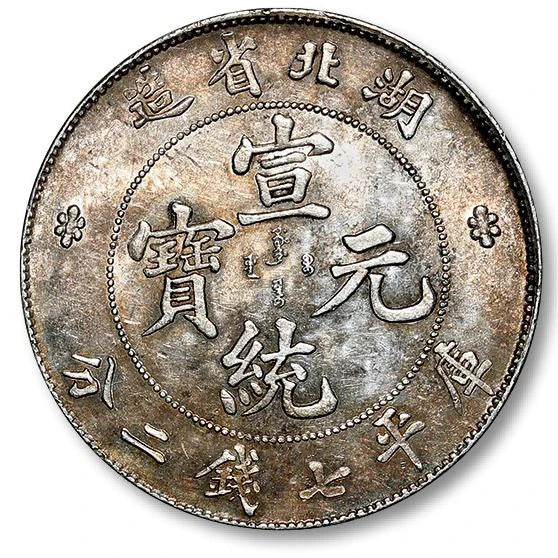
Recycling Xuantong Yuanbao
Xuantong Yuanbao Collection: Collecting and Appraising Silver Coins from Late Qing Dynasty...
-

Recycling Yuan Shikai silver dollars
Yuan Datou (Fat Man Yuan) Silver Dollars: The Most Recognizable Investment in...
-

Recycling Sun Xiaotou
Sun Yat-sen "Small Head" Silver Dollars: Authentication of Founding Commemorative Coins and...
-
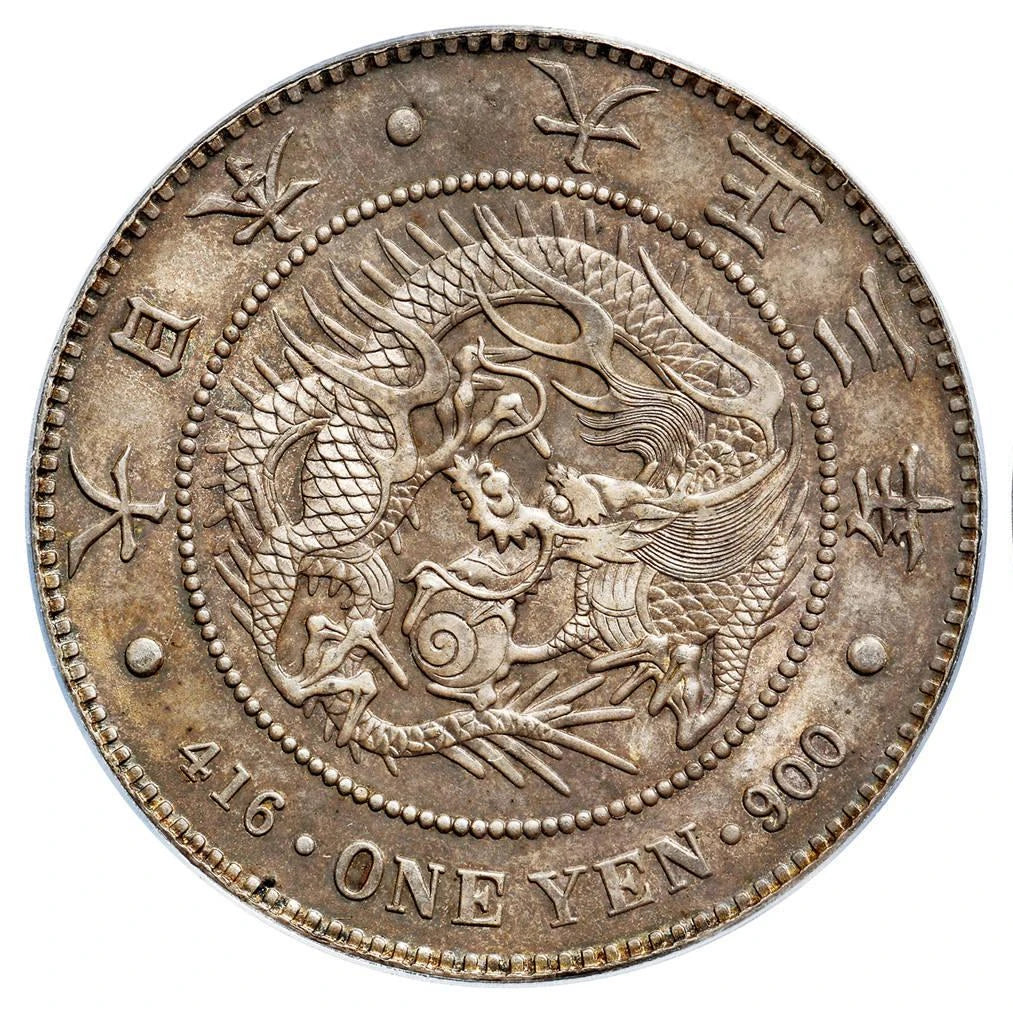
Japanese silver coins buyback
Recycling Japanese Silver Coins: Appraisal and Purchase of Meiji Dragon and Trade...
-

Recycling the first edition of RMB
First Series Renminbi Recycling: The Collection Value of the 1948 Founding Currency...
-

Second edition RMB banknotes are being recycled.
Second Series Renminbi (RMB) Collection: Market Value of Precious Notes Printed by...
-

Recycling the third edition of RMB
Third Series Renminbi Collection: The Classic "Green Back with Watermark 1 Jiao"...
-

Gold recycling
Gold Recycling: Instant Quotes for Gold Bars, Gold Coins, and Gold Jewelry...
-

Recycled porcelain
Porcelain Collection: Appraisal and Acquisition of Wares from the Song Dynasty to...
-

Stamp recycling
Stamp Collection: Cultural Revolution Stamps, Monkey Stamps, and Rare Stamp Market Trends...


