


古金鑒寶
Buying and selling 18th-century Spanish portrait double-column silver coins. Buyback | Gu Jin Jian Bao
Buying and selling 18th-century Spanish portrait double-column silver coins. Buyback | Gu Jin Jian Bao
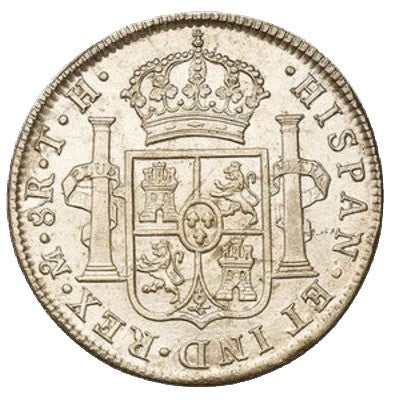
In-depth Exploration: Varieties and Historical Trajectories of 18th Century Spanish Portrait Pillar Silver Coins
Beyond their iconic globe and Pillars of Hercules design, the greatest numismatic appeal of 18th Century Spanish portrait pillar silver coins lies in their faithful documentation of the changing power of the Spanish Bourbon dynasty. For enthusiasts passionate about collecting ancient coins for beginners, understanding the differences in varieties from different monarchical periods is a crucial key to assessing the historical value of pillar silver coins.
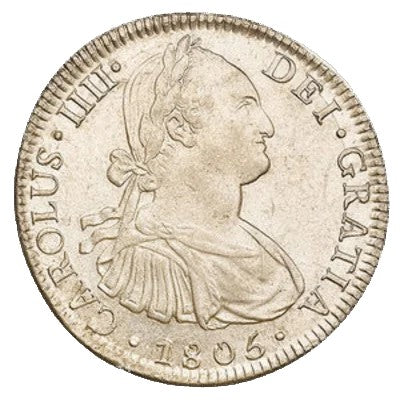
In the mid to late 18th century and early 19th century, the portrait busts of kings on the obverse of these silver coins mainly featured several important monarchs:
- Carlos III (1759-1788): The portraits on silver coins from this period typically display distinctive characteristics of the era, with deeply carved facial features. Due to their earlier minting and significant circulation wear, finding Carlos III silver coins with original luster and excellent condition on the market is relatively rare, making them a popular item for world trade silver coin collection.
- Carlos IV (1788-1808): This is the most familiar version to domestic collectors, commonly known as the "Carlos IV pillar dollar." Notably, during the early years of Carlos IV's reign, due to the new king's portrait dies not yet having arrived at overseas mints (such as the Mexico City Mint), a transitional "Carlos III bust, Carlos IV inscription" error coin briefly appeared. Such special varieties often perform exceptionally well in the current Spanish portrait pillar silver coin price market price (market price).
Common 18th Century Spanish Pillar Silver Coin Varieties and Collection Value Comparison Table
To provide collectors with a more intuitive understanding of the market positioning of different varieties, we have compiled the following key collection guide:
| Monarchical Period / Variety | Minting Year Range | Obverse Inscription Characteristics | Mint Mark (Common) | Collection Popularity & Market Rarity Index |
| Carlos III | 1772 - 1789 | CAROLUS III | Mo (Mexico City) | High; early pieces in good condition are relatively rare and highly sought after by seasoned collectors |
| Carlos IV (Transitional) | 1789 - 1790 | CAROLUS IV (Carlos III Bust) | Mo, P (Potosí) | Very High; interesting error coin resulting from delayed die change, holds significant research value |
| Carlos IV (Regular) | 1791 - 1808 | CAROLUS IIII | Mo (Mexico City) | Very High; relatively abundant in existing quantities, a standard for investment and ancient coin beginners |
| Ferdinand VII (Early) | After 1808 | FERDIN VII | Varies by colony | Medium-High; bears witness to the turmoil of the late Spanish Empire, possesses special historical significance |
Expert Guide: Authentication and Grading of Spanish Portrait Pillar Silver Coins
As this "world currency" gains popularity in the market, mastering basic pillar silver coin authentication methods is crucial for collectors. Professional 18th-century Spanish silver coin appraisal typically considers the following physical characteristics:
- Standard Weight and Size: A genuine pillar silver coin (for example, the common 8 reales) has a standard weight of approximately 27 grams and a diameter of about 39 millimeters. After more than two hundred years of circulation, a very small margin of error for wear is allowed in weight, but if the weight difference is too great, a high degree of caution is advised.
- Unique Edge Anti-Counterfeiting Technology: To prevent unscrupulous individuals from clipping silver from the edges of coins, Spanish mints at the time employed complex anti-counterfeiting edge designs (typically patterns resembling fleurs-de-lis or chains). Genuine edges are deeply impressed and transition naturally; modern counterfeits, however, often have harsh or blurry edges.
- Natural Patina from Age: Genuine coins have undergone hundreds of years of oxidation, forming a rich and strongly adhering historical patina on their surface (such as black or iridescent patinas). This natural trace of time is difficult for artificial aging to perfectly replicate.
Maximize the Value of Your Collection
Every 18th-century Spanish portrait pillar silver coin participated in the global trade during the Age of Discovery; they are not merely carriers of precious metals, but also condensed world history.
Whether you wish to know the exact variety of an heirloom silver coin or are looking for the latest market purchase quotes, Gu Jin Jian Baoprovides transparent, professional appraisal and high-value buyback services. If you have any relevant ancient silver coins that need evaluation, please feel free to contact our team of experts to find the best home for your precious collectibles.
Gu Jin Jian Baohas been rooted in Hong Kong for years, specializing in the appraisal and Buyback of ancient coins and precious metals. We have experts forsilver dollars, old banknotes, gold jewelry, ancient jade, and porcelain. Have questions? WhatsApp 98342057 a photo, and we typically respond the same day. How prices are calculated, purity levels, and weight in grams are all discussed transparently.
Recommended Related Buyback Series
You may also be interested in: Popular Related Bought back Items
- 【Gu Jin Jian Bao】Buyback US Liberty Silver Coins / American Silver Eagle Prices
- 【Gu Jin Jian Bao】Buyback 1882 Mexican Eagle Dollar
- 【Gu Jin Jian Bao】Buyback French Silver Coins 1837 Louis Philippe 5 Francs...
Have a silver dollar and want to know its market value? WhatsApp 98342057 with clear photos of both sides, and Gu Jin Jian Baoexperts will provide a preliminary quote the same day. For more Bought back items, seeAll Series.
Frequently Asked Questions (FAQ)
Recycling process
-
1) Clients should first provide basic information about their collections via WhatsApp (852) 98342057. You can also contact us directly via this link.
-
2) We will provide a preliminary quote after receiving your information.
-
3) Both parties agree on a time and place (on-site inspection is available) to inspect the collection. We will provide a precise quote based on the actual condition of the collection.
-
4) Confirm the sale and make payment in various forms such as bank transfer or cash.
Antique gold appraisal and treasure buying with cash on-site service:
-

Guangxu Yuanbao Buyback | Gu Jin Jian Bao
Guangxu Yuanbao Silver Coin Buyback: Varieties and Collection Value of Late Qing...
-
Guangxu Yuanbao Buyback | Gu Jin Jian Bao
Guangxu Yuanbao Silver Coin Buyback: Varieties and Collection Value of Late Qing...
-
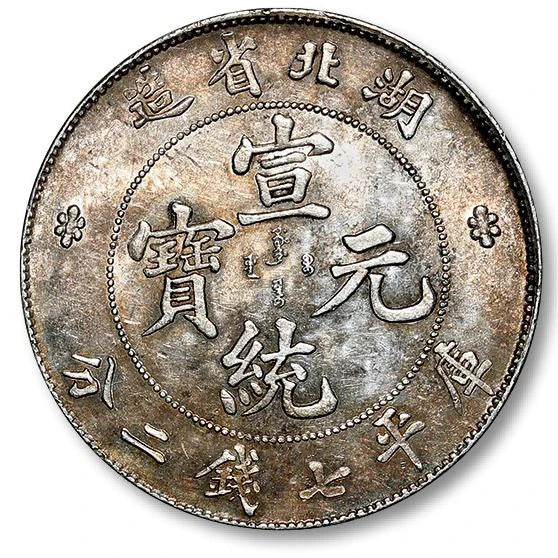
Xuantong Yuanbao Buyback | Gu Jin Jian Bao
Xuantong Yuanbao Collection: Collecting and Appraising Silver Coins from Late Qing Dynasty...
-

Yuan Shikai silver dollars Buyback | Gu Jin Jian Bao
Yuan Datou (Fat Man Yuan) Silver Dollars: The Most Recognizable Investment in...
-

Sun Xiaotou Buyback | Gu Jin Jian Bao
Sun Yat-sen "Small Head" Silver Dollars: Authentication of Founding Commemorative Coins and...
-
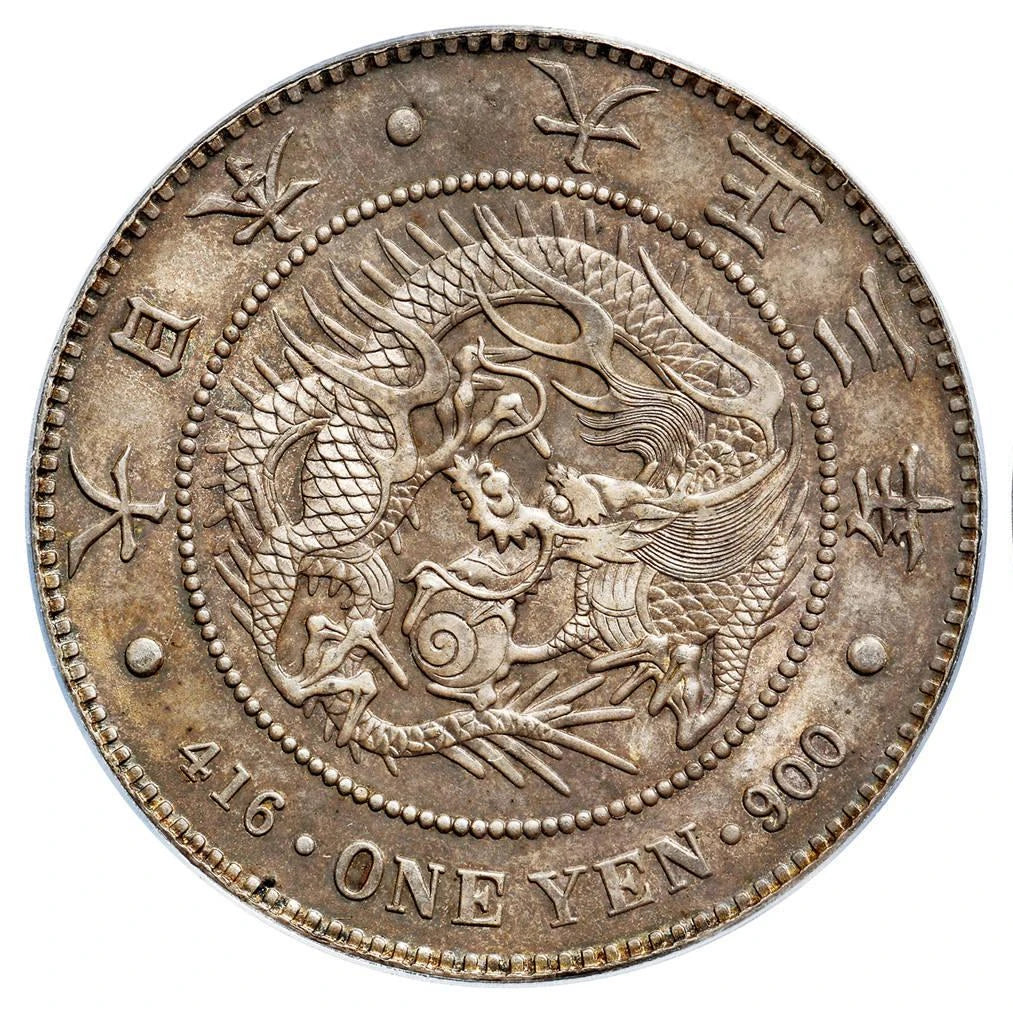
Japanese silver coins buyback | Gu Jin Jian Bao
Buyback Japanese Silver Coins: Appraisal and Purchase of Meiji Dragon and Trade...
-

first edition of Renminbi Buyback | Gu Jin Jian Bao
First Series Renminbi Buyback: The Collection Value of the 1948 Founding Currency...
-

Second edition Renminbi banknotes buyback. | Gu Jin Jian Bao
Second Series Renminbi (RMB) Collection: Market Value of Precious Notes Printed by...
-

third edition of Renminbi Buyback | Gu Jin Jian Bao
Third Series Renminbi Collection: The Classic "Green Back with Watermark 1 Jiao"...
-

Gold Buyback | Gu Jin Jian Bao
Gold Buyback: Instant Quotes for Gold Bars, Gold Coins, and Gold Jewelry...
-

Bought back porcelain Buyback | Gu Jin Jian Bao
Porcelain Collection: Appraisal and Acquisition of Wares from the Song Dynasty to...
-

Stamp Buyback | Gu Jin Jian Bao
Stamp Collection: Cultural Revolution Stamps, Monkey Stamps, and Rare Stamp Market Trends...


