

古金鑒寶
Buying and selling Japanese Meiji 11th year"Silver"proof version one yen silver coin. Buyback | Gu Jin Jian Bao
Buying and selling Japanese Meiji 11th year"Silver"proof version one yen silver coin. Buyback | Gu Jin Jian Bao
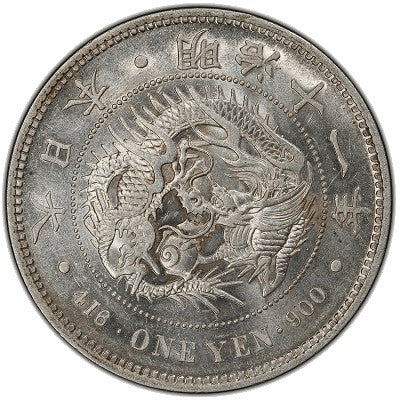
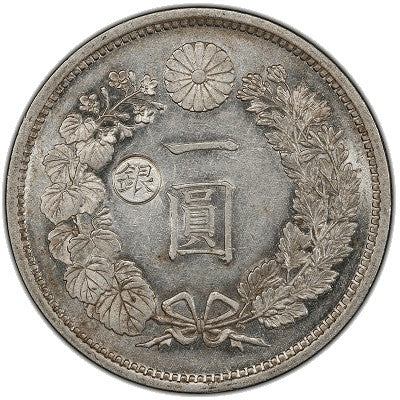
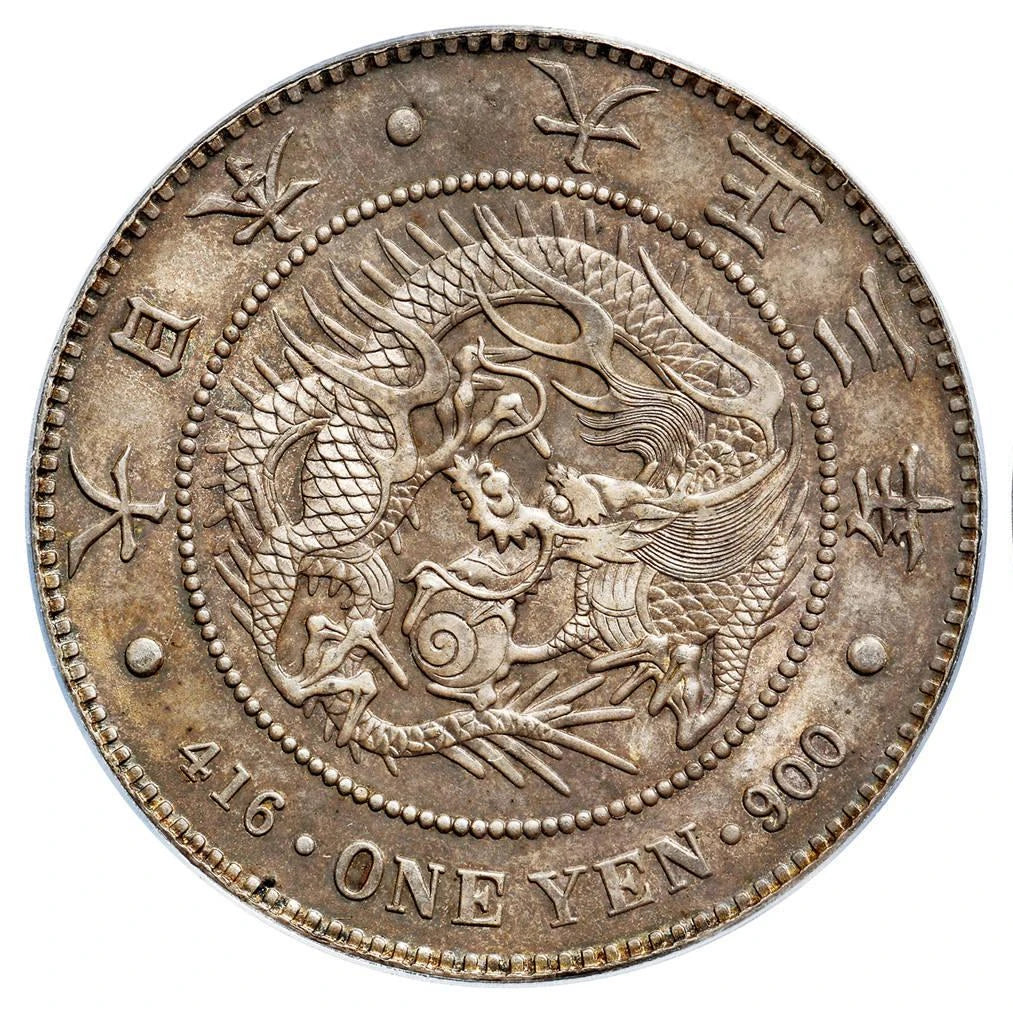
The Japanese Meiji 11 (1878) "Gin" (Silver) Proof One Yen silver coin is an extremely rare trial striking, featuring characteristics that differentiate it from the circulating one yen silver coins of that era, thus possessing unique historical and collectible value.
The"Gin"character mark is the most prominent feature of this version. A clear"Yin"(Gin) character is present to the left of the"Yi Yuan "(One Yen) inscription on the coin face. This is the most obvious distinction between the trial coin and ordinary circulating silver coins. The reverse features the traditional Japanese dragon motif, symbolizing power and imperial authority. This highly detailed design shows a dragon coiled within a central circle. The coin is made of high-purity silver, with a silver content of approximately 90%, consistent with most Japanese circulating silver coins of the time.
Key Technical Specifications and Parameters Comparison Chart
| Item Indicator | Parameter Details | Identification Focus |
| Minting Year | Meiji 11 (1878) | Observe if the characters"Shi Yi"(eleven) are regular and neat |
| Coin Material | 90% Pure Silver + 10% Copper | Silver luster should be natural and soft, with no pungent chemical odor |
| Standard Weight | Approx. 26.96 grams | Weight of severely worn coins should not be less than 26.5 grams |
| Coin Diameter | 38.6 mm | Edge reeding should be uniform in depth, with no signs of artificial polishing |
| Punch Mark Position | Left or right of"Yi Yuan " | The"Yin"punch mark should be of uniform depth, with naturally stressed edges |
| Design Craftsmanship | Front: Dragon motif, Reverse: Cherry blossom and Chrysanthemum motifs | Dragon scale details and fluidity of dragon whiskers are key to authenticity |
Why is the Meiji 11 "Gin" (Silver) Edition so Rare?
Unlike common Meiji dragon silver coins, coins marked with the "Gin" character originated from a special policy by the Japanese government. At that time, to prevent silver coins from flowing out of the country, the mint stamped some one yen silver coins with the "Gin" character, specifically for overseas trade and commercial ports such as Taiwan and Korea.
- Extremely Low Survival Rate: Meiji 11 itself had a smaller mintage of Japanese dragon silver coins, and the "Gin" proof coins that survive in good condition are less than one percent of the circulating coins.
- Trial Nature: This variant was primarily used at the time as a tool to test market reaction. Many were later recalled and melted down, making every existing coin a focal point at auctions.
Collection Value and Market Appreciation Potential
In the ancient coin auction market, **"Japanese Dragon Silver"** has always been a strong currency, and the rare Meiji 11 variant has the following advantages:
- High International Liquidity: Japanese dragon silver coins are highly recognized by major auction houses worldwide (such as PCGS, NGC grading), offering strong liquidity.
- Inflation Hedge Attribute: Silver coins inherently possess precious metal value, coupled with their irreplaceable rarity as artifacts, making them an excellent choice for long-term asset allocation.
- Significant Price Tiers: As grading scores (e.g., MS62, MS65) increase, their premium grows exponentially, making them highly attractive to collectors seeking high-quality items.
Recommended Similar Premium Buyback Series
You may also be interested in: Popular Similar Buyback Products
- 【Gukin Treasure Appraisal】Buyback Japan Meiji 17 One Yen (1884)
- 【Gukin Treasure Appraisal】Buyback Meiji 3 (1870) Sun Japan Dragon Silver
- 【Gukin Treasure Appraisal】Buyback Japan Meiji 34 (1901) Silver Coin One Yen
Do you have silver dollars and want to know their market value? WhatsApp 98342057 with clear photos of both sides, and a Gukin Treasure Appraisalexpert will provide an initial quote on the same day. See more Bought back items inAll Series.
Frequently Asked Questions (FAQ)
Recycling process
-
1) Clients should first provide basic information about their collections via WhatsApp (852) 98342057. You can also contact us directly via this link.
-
2) We will provide a preliminary quote after receiving your information.
-
3) Both parties agree on a time and place (on-site inspection is available) to inspect the collection. We will provide a precise quote based on the actual condition of the collection.
-
4) Confirm the sale and make payment in various forms such as bank transfer or cash.
Antique gold appraisal and treasure buying with cash on-site service:
-

Guangxu Yuanbao Buyback | Gu Jin Jian Bao
Guangxu Yuanbao Silver Coin Buyback: Varieties and Collection Value of Late Qing...
-
Guangxu Yuanbao Buyback | Gu Jin Jian Bao
Guangxu Yuanbao Silver Coin Buyback: Varieties and Collection Value of Late Qing...
-
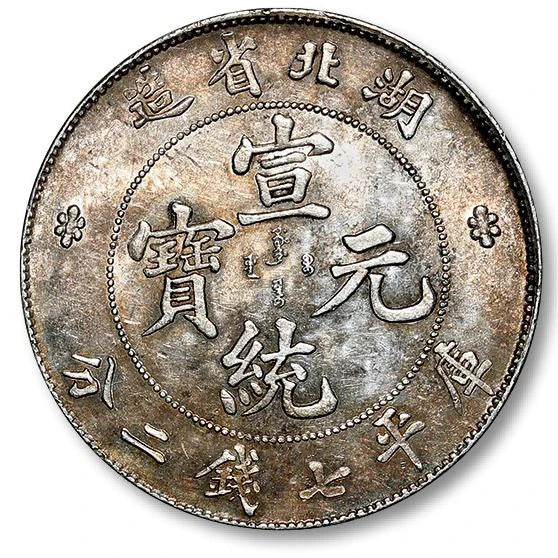
Xuantong Yuanbao Buyback | Gu Jin Jian Bao
Xuantong Yuanbao Collection: Collecting and Appraising Silver Coins from Late Qing Dynasty...
-

Yuan Shikai silver dollars Buyback | Gu Jin Jian Bao
Yuan Datou (Fat Man Yuan) Silver Dollars: The Most Recognizable Investment in...
-

Sun Xiaotou Buyback | Gu Jin Jian Bao
Sun Yat-sen "Small Head" Silver Dollars: Authentication of Founding Commemorative Coins and...
-
Japanese silver coins buyback | Gu Jin Jian Bao
Buyback Japanese Silver Coins: Appraisal and Purchase of Meiji Dragon and Trade...
-

first edition of Renminbi Buyback | Gu Jin Jian Bao
First Series Renminbi Buyback: The Collection Value of the 1948 Founding Currency...
-

Second edition Renminbi banknotes buyback. | Gu Jin Jian Bao
Second Series Renminbi (RMB) Collection: Market Value of Precious Notes Printed by...
-

third edition of Renminbi Buyback | Gu Jin Jian Bao
Third Series Renminbi Collection: The Classic "Green Back with Watermark 1 Jiao"...
-

Gold Buyback | Gu Jin Jian Bao
Gold Buyback: Instant Quotes for Gold Bars, Gold Coins, and Gold Jewelry...
-

Bought back porcelain Buyback | Gu Jin Jian Bao
Porcelain Collection: Appraisal and Acquisition of Wares from the Song Dynasty to...
-

Stamp Buyback | Gu Jin Jian Bao
Stamp Collection: Cultural Revolution Stamps, Monkey Stamps, and Rare Stamp Market Trends...


