
古金鑒寶
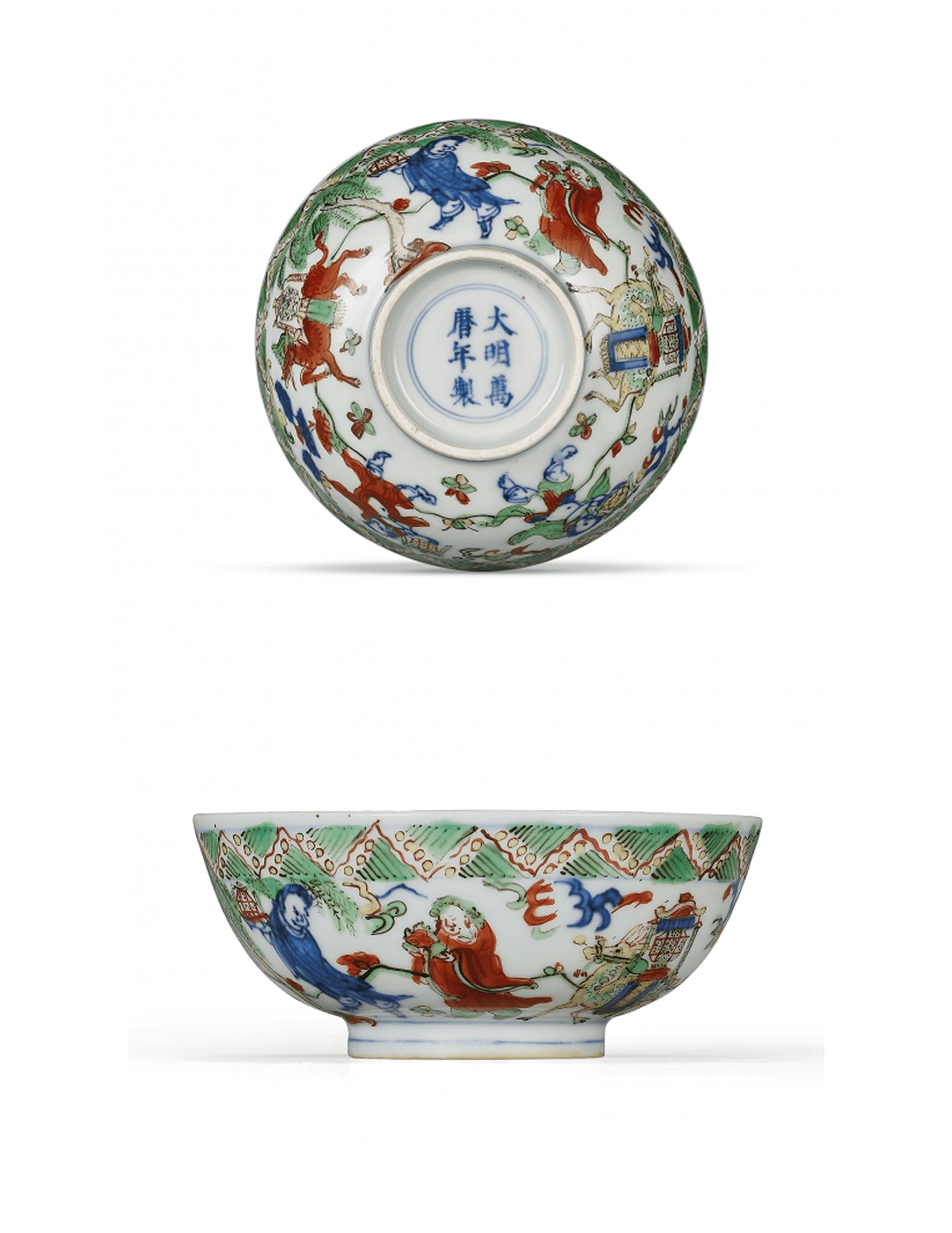
High-price buyback of Ming Dynasty porcelain—Wanli period polychrome bowl with auspicious design and | Gu Jin Jian Bao
High-price buyback of Ming Dynasty porcelain—Wanli period polychrome bowl with auspicious design and | Gu Jin Jian Bao
Historical Value and Authentication Guide for Ming Dynasty Porcelain and Wanli Wucai Blue-and-White
In the history of Chinese ceramics, Ming Dynasty porcelain played a pivotal role in linking past and future, especially during the mid-to-late Ming Dynasty, when the firing techniques of the Jingdezhen Imperial Kiln reached unprecedented heights. For many antique collectors, the investment potential of Ming Dynasty imperial kiln porcelain remains consistently high. Understanding the evolutionary history and period characteristics of Ming Dynasty ceramics not only enhances one's collecting taste but also forms the core foundation for authenticating Ming Dynasty porcelain.
Comparison of Ceramic Craft Characteristics and Market Popularity Across Different Periods of the Ming Dynasty
To help collectors better understand the positioning of their collections, we have compiled the characteristics of porcelain from major periods of the Ming Dynasty. Compared to the restrained style of early periods, late Ming Dynasty porcelain (especially during the Wanli period) exhibits an artistic style full of dramatic tension.
| Historical Period | Representative Porcelain Varieties | Body and Glaze Characteristics | Collection and High-Value Resale Market Positioning |
| Early Ming (Hongwu, Yongle, Xuande) | "Sumali" Blue-and-White, Sweet White Glaze, Fresh Red Glaze | Fine and white body, thick and lustrous glaze; vibrant blue-and-white color, often with rust spots. | Frequent presence at top auctions, rare in existence, top-tier treasures in the Hong Kong antique auction market. |
| Mid-Ming (Chenghua, Hongzhi, Zhengde) | Doucai Porcelain, Imperial Yellow Glaze, Peacock Green Glaze | Thin and translucent body, warm and jade-like glaze; Chenghua Doucai is known for its elegant simplicity and soft colors. | Highly prized by literati, very rare in circulation, a key target for high-price acquisition of Ming Dynasty doucai. |
| Late Ming (Jiajing, Longqing, Wanli) | Wucai Blue-and-White Porcelain, Huiqing Blue-and-White, High-Temperature Glazes | Body tends to be thicker and heavier, glaze slightly greenish; bold and unrestrained colors, strong contrast of red, green, and yellow. | Extremely active market, especially Wanli Wucai Blue-and-White Imperial Kiln ware, sought after by collectors and professional Buyback agencies worldwide. |
Wanli Wucai Blue-and-White: The Ultimate Aesthetic of Bold Colors and the Mystery of the "Da Ming Wanli Nian Zhi" Mark
Our institution pays special attention to and highly acquires treasures such as "Da Ming Wanli Nian Zhi Wucai Xianrui Jinbao Tu Wan" bowls, because Wanli Wucai holds an irreplaceable position in the history of Chinese ceramics.
Wanli Wucai Blue-and-White broke away from the traditional pursuit of elegant simplicity in porcelain aesthetics, employing a complex technique combining underglaze blue-and-white with multiple overglaze colors (red, yellow, green, purple, etc.). Its characteristics are "rich colors and bold brushwork," especially the famous combination of "jujube red" and "water green," which creates a strong visual impact. This unique historical charm is a key factor that makes it extremely difficult for modern imitations to achieve a similar spirit.
Wanli Wucai Blue-and-White Authenticity Guide and Feature Checklist
For clients seeking professional appraisal of Ming Dynasty Wucai porcelain in Hong Kong, we share the following core appraisal dimensions to help you initially evaluate your collection:
| Appraisal Dimension | Characteristics of Genuine "Da Ming Wanli Nian Zhi" Pieces | Common Flaws in Modern Fakes |
| Glaze and Luster (Patina) | Thick and moist glaze, with natural signs of age (clam shell iridescence), soft and deep light reflection. | Glaze often appears too smooth or stiff (harsh glare), obvious acid-washing marks from artificial aging, lacking depth. |
| Color Characteristics (Wucai Firing) | Red glaze like jujube skin, green glaze translucent and slightly raised like jade; blue-and-white often uses "Huiqing" material, with a purplish-blue color. | Overglaze colors too thin or brightly glaring, blue-and-white color floating on the glaze, lacking a stable purplish-blue tone. |
| Base Mark and Calligraphy ("Da Ming Wanli Nian Zhi") | Mostly six-character, two-line standard script marks within a double blue-and-white ring, with thick and strong strokes, powerful pauses, and specific calligraphic style of the period. | Stiff and rigid calligraphy, or too uniform like computer fonts; blue-and-white marks with scattered color or floating on the surface. |
| Body and Foot (Iron Rust Spots) | Heavy body, relatively crude finishing, obvious joining marks; foot often has "iron rust spots" formed by natural oxidation. | Body too light or too uniform, intentional imitation of crudeness in finishing, iron rust spots are mostly painted on with iron oxide pigments and appear very unnatural. |
Why Now Is the Best Time to Evaluate and Release Ming Dynasty Porcelain?
In recent years, with the re-pricing of traditional Chinese art by international capital, Ming and Qing imperial kiln porcelain auction prices have continued to rise. Many family-inherited old objects from the late Qing and Republic periods imitating the Ming Dynasty or genuine antiques from the Da Ming Wanli period, their market value may far exceed your expectations.
If you have suspected Jingdezhen Wanli porcelain, wucai blue-and-white porcelain, or other Ming and Qing antiques in your home, but are struggling to confirm their true value, our team of experts provides transparent and professional free antique porcelain appraisal services. Whether it's ancestral relics discovered during a house move or clear-out, or art collections invested in years ago, we will provide you with the most competitive Buyback plan based on the latest market trends in Hong Kong.
Do you want to know the current market value of your porcelain? Feel free to send clear photos (including overall, base mark, and local details) via WhatsApp or WeChat above at any time, and we will conduct a professional preliminary online appraisal for you as soon as possible.
Hong Kong High-Price Acquisition of Antique Porcelain, Buyback and Appraisal Consultation:
WeChat: john19998
Buyback Yuan Dynasty, Ming Dynasty, Qing Dynasty, Republic of China, Doucai, Famille Rose, Canton Famille Rose, Blue-and-White, Sacrificial Blue, Langyao Red, Longquan Kiln, late Qing porcelain, Jingdezhen porcelain, Jingdezhen's four major painted porcelains, Republic of China porcelain, antique porcelain, Ming and Qing porcelain, blue-and-white porcelain, Qianlong period, Yongzheng period, Five Great Kilns of the Song Dynasty, etc. Professional Buyback, professional appraisal.
On-site Buyback of old items from house moves/emigration, free appraisal, 24/7 online, welcome to call for consultation.
Recommended Series of Similar Selected Bought back Items
You might also be interested in: Similar Popular Bought back Items
- Hong Kong Store High-Price Buyback Qing Dynasty Blue-and-White Porcelain Ware | Blue-and-White Vases, Cups, Gu-shaped Vases, etc.
- Buyback Qing Dynasty Imperial Kiln Porcelain - Famille Rose Porcelain, Kangxi period, Rouge-red ground Famille Rose Peony Bowl...
- Antique Porcelain Buyback | Guangxu Doucai Eight Buddhist Emblems Waist Dish"Da Qing Guangxu Nian Zhi"Ming and Qing Porcelain...
Do you have porcelain antiques at home and want to know their value? WhatsApp 98342057 Send clear multi-angle photos (remember to include the base mark), and a Master from Gu Jin Jian Bao will reply with a preliminary appraisal as soon as possible. Browse All Bought back Product Series.
Frequently Asked Questions (FAQ)
Recycling process
-
1) Clients should first provide basic information about their collections via WhatsApp (852) 98342057. You can also contact us directly via this link.
-
2) We will provide a preliminary quote after receiving your information.
-
3) Both parties agree on a time and place (on-site inspection is available) to inspect the collection. We will provide a precise quote based on the actual condition of the collection.
-
4) Confirm the sale and make payment in various forms such as bank transfer or cash.
Antique gold appraisal and treasure buying with cash on-site service:
-

Guangxu Yuanbao Buyback | Gu Jin Jian Bao
Guangxu Yuanbao Silver Coin Buyback: Varieties and Collection Value of Late Qing...
-
Guangxu Yuanbao Buyback | Gu Jin Jian Bao
Guangxu Yuanbao Silver Coin Buyback: Varieties and Collection Value of Late Qing...
-
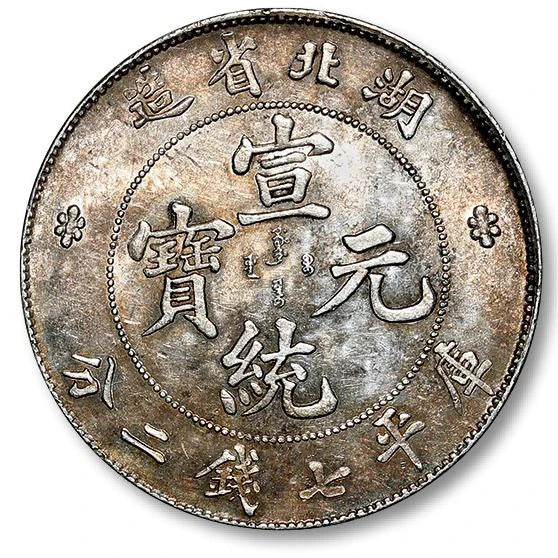
Xuantong Yuanbao Buyback | Gu Jin Jian Bao
Xuantong Yuanbao Collection: Collecting and Appraising Silver Coins from Late Qing Dynasty...
-

Yuan Shikai silver dollars Buyback | Gu Jin Jian Bao
Yuan Datou (Fat Man Yuan) Silver Dollars: The Most Recognizable Investment in...
-

Sun Xiaotou Buyback | Gu Jin Jian Bao
Sun Yat-sen "Small Head" Silver Dollars: Authentication of Founding Commemorative Coins and...
-
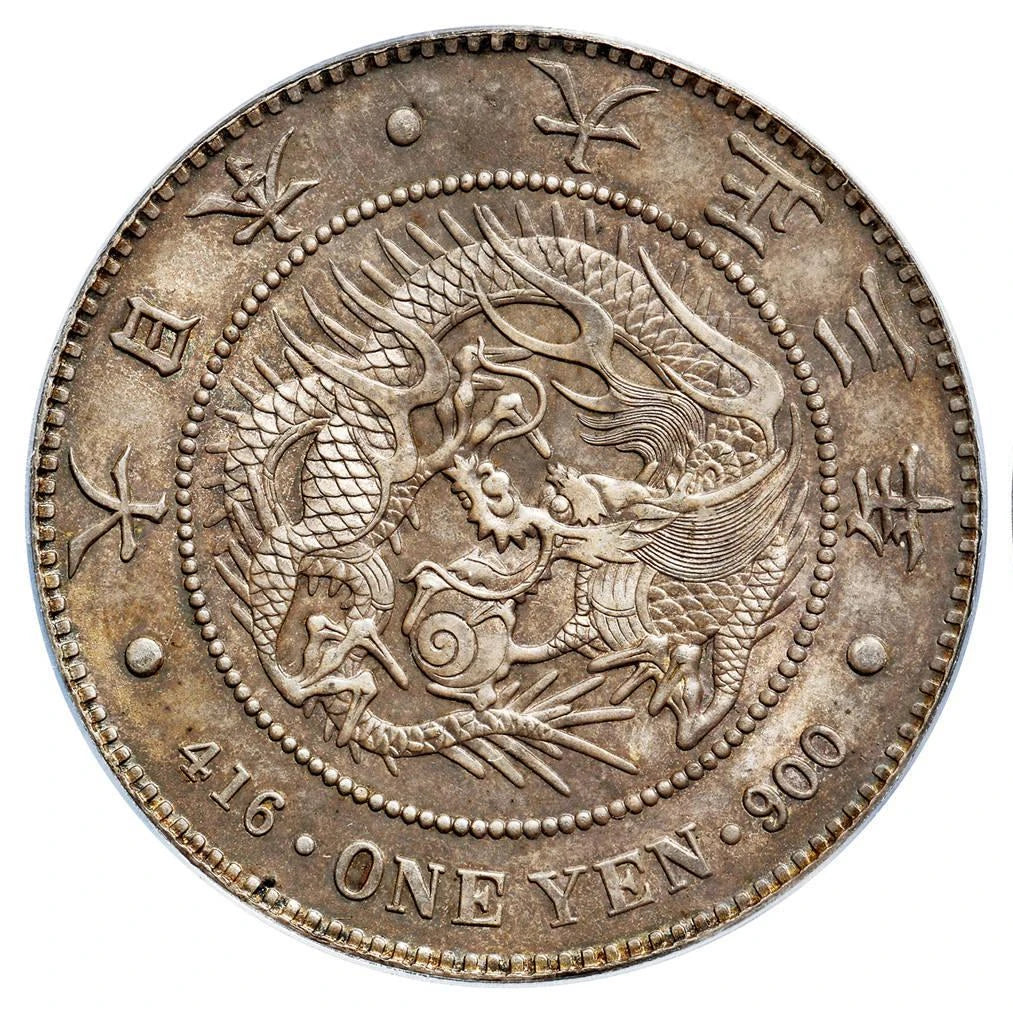
Japanese silver coins buyback | Gu Jin Jian Bao
Buyback Japanese Silver Coins: Appraisal and Purchase of Meiji Dragon and Trade...
-

first edition of Renminbi Buyback | Gu Jin Jian Bao
First Series Renminbi Buyback: The Collection Value of the 1948 Founding Currency...
-

Second edition Renminbi banknotes buyback. | Gu Jin Jian Bao
Second Series Renminbi (RMB) Collection: Market Value of Precious Notes Printed by...
-

third edition of Renminbi Buyback | Gu Jin Jian Bao
Third Series Renminbi Collection: The Classic "Green Back with Watermark 1 Jiao"...
-

Gold Buyback | Gu Jin Jian Bao
Gold Buyback: Instant Quotes for Gold Bars, Gold Coins, and Gold Jewelry...
-

Bought back porcelain Buyback | Gu Jin Jian Bao
Porcelain Collection: Appraisal and Acquisition of Wares from the Song Dynasty to...
-

Stamp Buyback | Gu Jin Jian Bao
Stamp Collection: Cultural Revolution Stamps, Monkey Stamps, and Rare Stamp Market Trends...


