
古金鑒寶
Qing Dynasty Porcelain Buyback | High-Price Buyback of Antiques and Ornaments in Hong Kong: | Gu Jin Jian Bao
Qing Dynasty Porcelain Buyback | High-Price Buyback of Antiques and Ornaments in Hong Kong: | Gu Jin Jian Bao
In the antique collection and trading market of Hong Kong, the reclamation of porcelain from the Qing Dynasty has always held a crucial position. Whether it's an old heirloom passed down through generations or an antique ornament left by an elder, it often carries immense historical and artistic value. For collectors facing household item disposal for immigration or moving, or seeking secure channels to monetize antique porcelain, understanding the core characteristics and evaluation standards of porcelain is key to obtaining a reasonable high price.
To help collectors gain a deeper understanding of their collections, we have specially compiled the following item-by-item identification dimensions and market trend guidelines.
Core Qing Dynasty Porcelain (Kangxi, Yongzheng, Qianlong, and Late Qing) Characteristics and Market Popularity Comparison
Porcelain from different periods of the Qing Dynasty each has its unique craftsmanship, aesthetics, and firing techniques. Understanding these Qing Dynasty porcelain identification characteristics helps in a preliminary assessment of a collection's historical standing and potential popularity for reclamation in the Hong Kong market.
| Historical Period | Body and Glaze Characteristics | Decoration and Painting Style | Collection and Reclamation Market Popularity |
| Kangxi Period | The body is solid and heavy, commonly known as "glutinous rice body"; the glaze is mostly bluish-white and tightly bonded. | The painting style is robust and strong, with vibrant blue and layered blue-and-white (five shades of ink); the polychrome porcelain features intense color contrasts. | Extremely high. Kangxi blue-and-white and polychrome porcelain with narrative scenes are highly sought after in the market, offering significant appreciation potential. |
| Yongzheng Period | The body is extremely pure white and delicate, thin and even; the glaze is lustrous like jade, with a "orange peel glaze" characteristic. | The composition is sparse and elegant, deeply influenced by literati painting; famille rose porcelain and enamelware reached their peak, with soft and elegant colors. | Top-tier. Yongzheng imperial kilns are renowned for their elegant taste, with famille rose floral and bird motifs and monochrome glazes being especially favored by seasoned collectors. |
| Qianlong Period | The body is thick and even, the glaze is flat with a bluish tint; the craftsmanship is extremely intricate, emphasizing technical display and decorative qualities. | Dense and elaborate decorations are common, with popular styles like "thousand flowers" and "rolling wheel" motifs; significant integration of Chinese and Western styles, often featuring auspicious patterns. | Extremely high. The Qianlong period saw large production of imperial kilns with diverse forms, with masterpieces like revolving vases and Yangcai often setting auction records. |
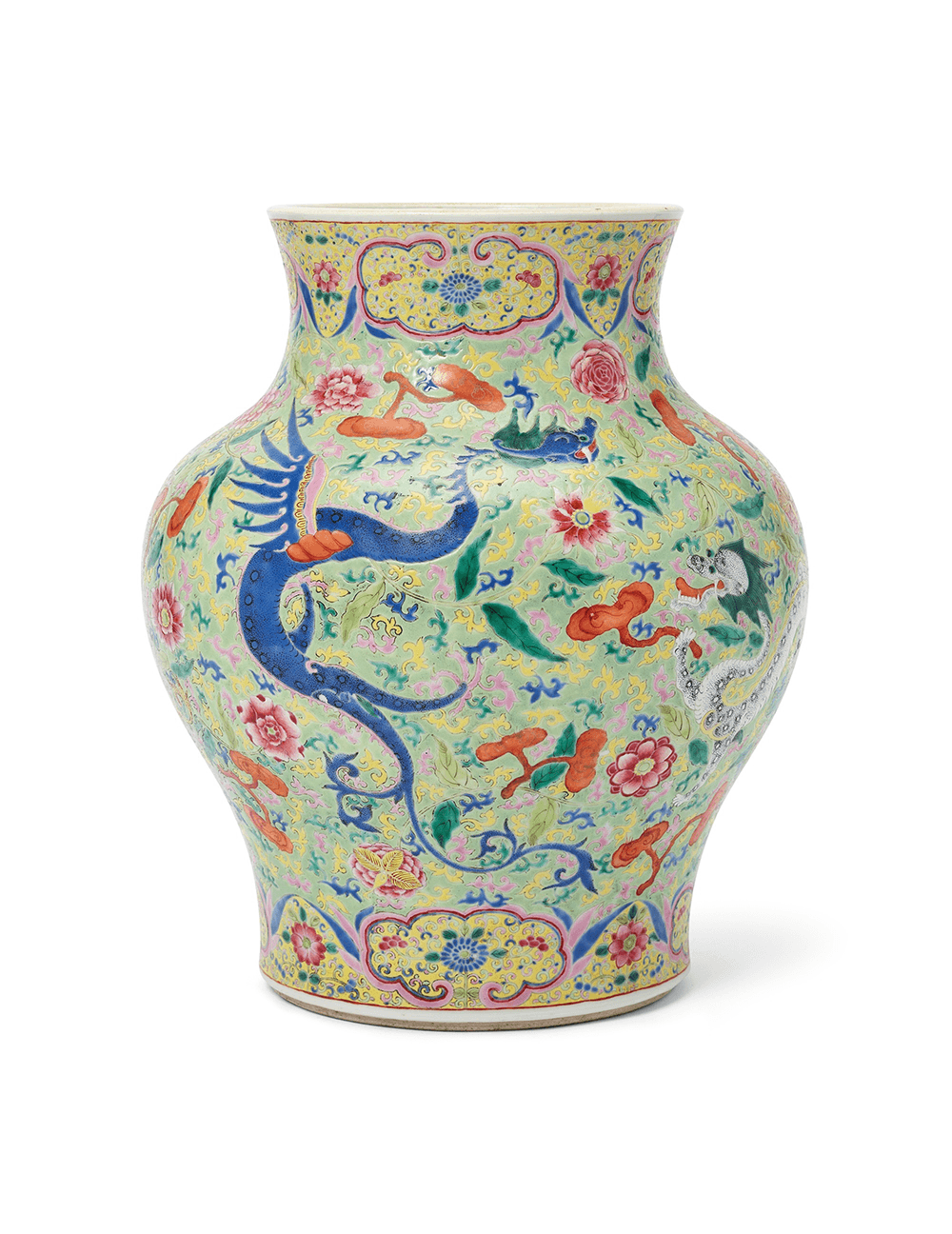
| Late Qing (Guangxu, etc.) | The body is slightly coarse and loose, the glaze is thin and often exhibits a wavy glaze phenomenon; however, imperial kilns still maintained a certain standard. | The "Made in the Great Qing Guangxu Period" mark was popular, with Dayazhai porcelain as a representative; common motifs include yellow-ground famille rose with Ganoderma lucidum and dragon patterns, and "hundred birds worshipping the phoenix." | Steadily rising. Late Qing imperial kilns and fine folk kilns (such as shallow crimson glaze) are popular segments for beginners and high-value reclamation due to their relatively abundant existing quantities. |
Common Glaze Techniques and Market Investment Potential Analysis for Porcelain
Beyond its age, the type of glaze directly determines the visual impact and collection level of antique ornaments. Different techniques perform differently in the second-hand antique trading market:
| Glaze Category | Visual and Technical Characteristics Analysis | Common Masterpieces in the Hong Kong Reclamation Market |
| Famille Rose / Enamelware | Belongs to overglaze enamel. Utilizing opaque white enamel as a base, colors are soft, rich, and have a strong three-dimensional quality. Allows for delicate gradients and shading of flowers and birds. | Yongzheng famille rose "guo zhi" plum blossom plate, Guangxu yellow-ground famille rose vase with Ganoderma lucidum and dragon patterns, Qianlong Yangcai vase with auspicious motifs. |
| Blue and White Porcelain | Belongs to underglaze blue. Cobalt pigment is painted on the body, then covered with a transparent glaze and fired once at high temperature. The color is permanent and unfading, with white ground and blue flowers, simple and elegant. | Kangxi blue and white landscape and figure large vase, Ming and Qing intertwining lotus blue and white appreciation vase, General jars. |
| Monochrome Glaze (Color Glaze) | Dispenses with complex painting, relying purely on the glaze color for beauty. Requires extremely high kiln temperatures and formulas, pursuing the pure aesthetics of "simplicity at its best." | Sacrificial blue (sapphire blue), Langyao red (oxblood red), sky-blue glaze, imitation Ge ware glaze, peach bloom. |
| Doucai (Contrasting Colors) | Underglaze blue outlines are used, and overglaze polychrome colors are filled in. It has both the deep calm of blue and white and the brilliance of overglaze colors, with the two competing for beauty. | Yongzheng Doucai chicken cup, Qianlong Doucai floral medallion jar, Qing Dynasty Doucai "embroidered ball" pattern bowl. |
Hong Kong high-price acquisition of antique porcelain, reclamation and appraisal consultation:
WeChat:john19998
Reclaiming Yuan Dynasty, Ming Dynasty, Qing Dynasty, Republic of China, Doucai, Famille Rose, Guangcai, Blue and White Porcelain, Sacrificial Blue, Langyao Red, Longquan Kiln, late Qing porcelain, Jingdezhen porcelain, Jingdezhen's four great porcelains, Republic of China porcelain, antique porcelain, Ming and Qing porcelain, blue and white porcelain, Qianlong and Yongzheng periods, the five great kilns of the Song Dynasty, etc. Professional reclamation, professional appraisal.
Door-to-door reclamation of old items for moving/immigration, free quotation, 24/7 online, inquiries welcome.
Similar Featured Reclamation Series Recommendations
You might also be interested in: Popular Reclamation Items
- Reclaiming Song/Yuan Dynasty Longquan Celadon Jar, Song Dynasty Porcelain, Antique Porcelain, Celadon Reclamation...
- South Song Porcelain Door-to-Door Reclamation and Appraisal · Southern Song Longquan Celadon Phoenix-Ear Jar, Chinese Porcelain Acquisition...
- Hong Kong High-Price Reclamation of Ming Dynasty Blue and White Porcelain - Blue and White Immortal Mountain Pavilion and Terrace Bell Bowl "Made in the Great Ming Jiajing Period" - High-Price Reclamation of Antique Porcelain Bowls
Porcelain appraisal requires attention to detail—glaze color, body quality, and base marks are all essential. Welcome to WhatsApp 98342057 to send photos for a quote, and our masters will appraise each item. For more reclamation categories, see Reclamation Series.
Frequently Asked Questions (FAQ)
Recycling process
-
1) Clients should first provide basic information about their collections via WhatsApp (852) 98342057. You can also contact us directly via this link.
-
2) We will provide a preliminary quote after receiving your information.
-
3) Both parties agree on a time and place (on-site inspection is available) to inspect the collection. We will provide a precise quote based on the actual condition of the collection.
-
4) Confirm the sale and make payment in various forms such as bank transfer or cash.
Antique gold appraisal and treasure buying with cash on-site service:
-

Guangxu Yuanbao Buyback | Gu Jin Jian Bao
Guangxu Yuanbao Silver Coin Buyback: Varieties and Collection Value of Late Qing...
-
Guangxu Yuanbao Buyback | Gu Jin Jian Bao
Guangxu Yuanbao Silver Coin Buyback: Varieties and Collection Value of Late Qing...
-
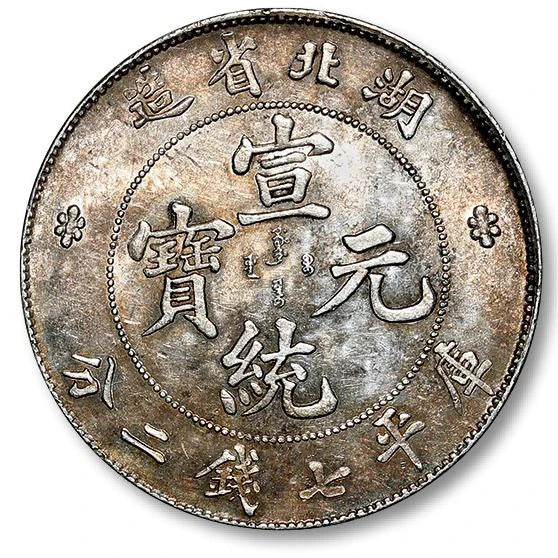
Xuantong Yuanbao Buyback | Gu Jin Jian Bao
Xuantong Yuanbao Collection: Collecting and Appraising Silver Coins from Late Qing Dynasty...
-

Yuan Shikai silver dollars Buyback | Gu Jin Jian Bao
Yuan Datou (Fat Man Yuan) Silver Dollars: The Most Recognizable Investment in...
-

Sun Xiaotou Buyback | Gu Jin Jian Bao
Sun Yat-sen "Small Head" Silver Dollars: Authentication of Founding Commemorative Coins and...
-
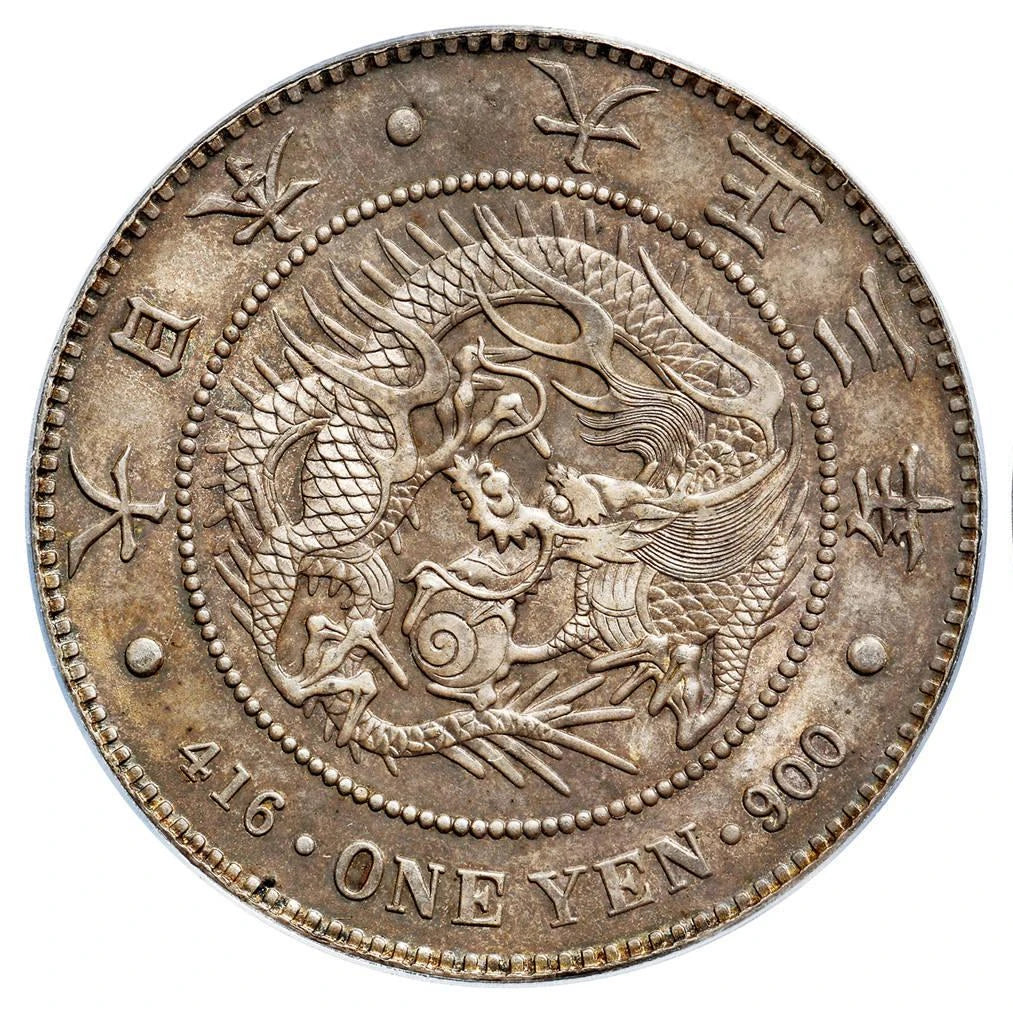
Japanese silver coins buyback | Gu Jin Jian Bao
Buyback Japanese Silver Coins: Appraisal and Purchase of Meiji Dragon and Trade...
-

first edition of Renminbi Buyback | Gu Jin Jian Bao
First Series Renminbi Buyback: The Collection Value of the 1948 Founding Currency...
-

Second edition Renminbi banknotes buyback. | Gu Jin Jian Bao
Second Series Renminbi (RMB) Collection: Market Value of Precious Notes Printed by...
-

third edition of Renminbi Buyback | Gu Jin Jian Bao
Third Series Renminbi Collection: The Classic "Green Back with Watermark 1 Jiao"...
-

Gold Buyback | Gu Jin Jian Bao
Gold Buyback: Instant Quotes for Gold Bars, Gold Coins, and Gold Jewelry...
-

Bought back porcelain Buyback | Gu Jin Jian Bao
Porcelain Collection: Appraisal and Acquisition of Wares from the Song Dynasty to...
-

Stamp Buyback | Gu Jin Jian Bao
Stamp Collection: Cultural Revolution Stamps, Monkey Stamps, and Rare Stamp Market Trends...


