
古金鑒寶
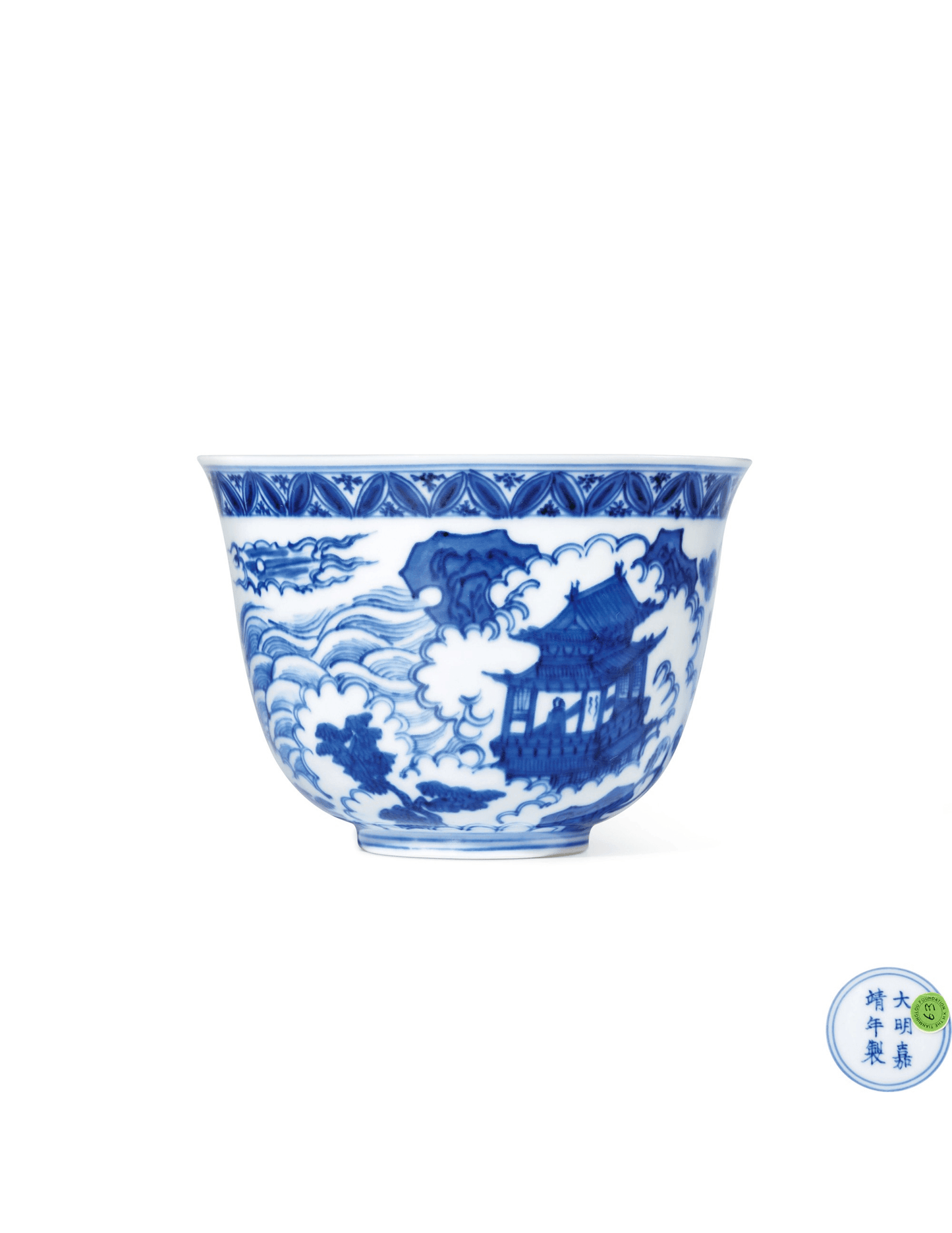
Hong Kong offers high prices for Ming Dynasty blue and white porcelain bowls with a design of fairy | Gu Jin Jian Bao
Hong Kong offers high prices for Ming Dynasty blue and white porcelain bowls with a design of fairy | Gu Jin Jian Bao
Exploring the Artistic Pinnacle and Collection Value of Ming Dynasty Blue and White Porcelain
Ming Dynasty blue and white porcelain holds a significant position in the history of Chinese ceramics. Whether it's the fineness of the body and glaze, the diversity of the blue and white coloring, or the maturity of the painting techniques, it reached exceptionally high standards. For experienced collectors, understanding the characteristics of blue and white porcelain from different periods is key to authenticating and assessing the market value of antique porcelain bowls. Especially in the mid-to-late Ming Dynasty, the imperial kilns in Jingdezhen used unique imported cobalt materials, giving the blue and white glaze a highly recognizable character of the era. This is why the Hong Kong high-price acquisition market for Ming Dynasty blue and white porcelain has always favored exquisite porcelain from various dynasties (such as Jiajing blue and white porcelain with "Immortal Mountains and Pavilions" motifs and other Daoist themes).
Comparison of Authentication Characteristics of Blue and White Porcelain from Different Periods of the Ming Dynasty
To gain a deep understanding of the Jiajing blue and white porcelain auction market and the value of other Ming Dynasty porcelains, one must first grasp their core characteristics. The artistic styles varied greatly during different emperors' reigns due to the different "blue materials" used.
| Historical Period | Representative Dynasty (Reign Title) | Core Blue and White Material | Coloration Characteristics and Glaze Features | Common Jingdezhen Imperial Kiln Blue and White Marks |
| Early Ming Dynasty | Yongle, Xuande | Sumali Qing (imported material) | Vibrant coloration with distinct "iron rust spots" penetrating the body, naturally spreading like ink wash painting. | Mainly "Daming Xuande Nian Zhi" six-character regular script mark, Yongle often unmarked or with hidden marks. |
| Mid-Ming Dynasty | Chenghua, Hongzhi | Pingdeng Qing (domestic material) | Pale, soft coloration, no iron rust spots, glaze surface as moist as jade, semi-transparent, sparse painting style. | "Daming Chenghua Nian Zhi" six-character double-line regular script mark, with vigorous characters. |
| Late Ming Dynasty | Jiajing, Wanli | Huiqing material (mixed imported and domestic) | The coloration characteristics of Huiqing material are extremely prominent, rich and vibrant, purplish-blue, with strong contrast. | "Daming Jiajing Nian Zhi", "Daming Wanli Nian Zhi", with powerful and emphatic characters. |
| Late Ming to Early Qing Dynasty | Tianqi, Chongzhen | Zhe material (high-quality domestic material) | Crisp, serene blue coloration with distinct layering, beginning to show perspective and brushwork similar to Western painting. | Mostly cyclical date marks, hall marks, or pictorial marks. |
Four Core Elements Determining the Buyback Value of Antique Blue and White Porcelain
Many collectors, when organizing old items or realizing assets, are most concerned about the actual market value of their collections. We provide professional Ming and Qing porcelain instant valuation in Hong Kong services. When conducting high-price buybacks and meticulous appraisals, our team of experts mainly assesses based on the following core dimensions:
| Assessment Dimension | Detailed Explanation | Impact on Buyback Price |
| Form and Theme | Vessels (e.g., vases, zun) are usually valued higher than roundware (e.g., plates, bowls). Daoist themes from the Jiajing period (e.g., immortal mountains and pavilions, Eight Immortals, cranes amidst clouds), and scenes of children at play are particularly valuable. | Unique forms or rare pictorial themes can significantly increase the collection premium. |
| Condition Completeness | There's a saying in the porcelain world: "If porcelain is chipped, it's not worth a penny." The presence of cracks, chips, glaze loss, or repairs is critical to valuation. | Pristine condition (no flaws) fetches the highest price; minor flaws reduce the price proportionally; repairs by famous old kilns (e.g., Kintsugi) also have a specific market. |
| Mark and Period | An accurate Jingdezhen imperial kiln blue and white mark is an important basis for dating. Imperial kiln wares are far more valuable than civilian kiln wares, and standard pieces with clear reign marks have the highest liquidity. | Undoubtedly genuine imperial kiln marks such as "Daming Jiajing Nian Zhi" are the foundation for receiving top buyback prices. |
| Provenance and Origin | Does the item have a clear chain of ownership? Does it have labels from renowned early auction houses, records from famous collectors, or purchase receipts from early antique shops? | Porcelain with clear origins and verifiable provenance not only offers better assurance of authenticity but also commands higher market recognition and prices. |
Whether you hold a Ming Dynasty blue and white bowl passed down through generations or a late Qing civilian kiln porcelain discovered during a move, the authentication of antique ceramics requires a very high level of professional expertise. Many unprofessional institutions in the market often underestimate the value of genuine articles. With years of industry experience and profound academic background, we can not only accurately identify the historical and artistic value of each collection but also commit to buybacks at prices close to international auction market rates. Through a transparent and fair appraisal process, we help your precious antique porcelain realize its deserved value.
High-price antique porcelain buyback in Hong Kong, buyback and appraisal inquiries:
WeChat: john19998
Buyback of Yuan, Ming, Qing, Republic of China, doucai, fencai, guangcai, blue and white porcelain, sacrificial blue, oxblood red, Longquan ware, late Qing porcelain, Jingdezhen porcelain, Jingdezhen's four famous color porcelains, Republic of China porcelain, antique porcelain, Ming and Qing porcelain, blue and white porcelain, Qianlong period, Yongzheng period, Five Great Kilns of the Song Dynasty, etc. Professional buyback, professional appraisal.
Door-to-door buyback for old items during moving/emigration, free valuation, 24-hour online service, welcome to inquire by phone.
Recommended similar buyback series:
You might also be interested in: Popular similar buyback items
- Song Dynasty Official Kiln Porcelain Buyback | Official Kiln Celadon Mallow-Rimmed Washer Song Dynasty Five Great Kilns Porcelain Buyback
- Buyback of Qing Daoguang Blue and White Lotus Scroll Offering Plate | Qing Dynasty Blue and White Porcelain Buyback Free Valuation
- Free Appraisal and High-Price Buyback of Ancient Chinese Porcelain | Daqing Kangxi Period Wucai Four Immortals Guanyin Vase...
Porcelain appraisal demands attention to detail – glaze, body, and base mark are all indispensable. Welcome to WhatsApp 98342057 to send photos for inquiries, and our experts will assess each item. For more buyback categories, see All Buyback Series.
Frequently Asked Questions (FAQ)
Recycling process
-
1) Clients should first provide basic information about their collections via WhatsApp (852) 98342057. You can also contact us directly via this link.
-
2) We will provide a preliminary quote after receiving your information.
-
3) Both parties agree on a time and place (on-site inspection is available) to inspect the collection. We will provide a precise quote based on the actual condition of the collection.
-
4) Confirm the sale and make payment in various forms such as bank transfer or cash.
Antique gold appraisal and treasure buying with cash on-site service:
-

Guangxu Yuanbao Buyback | Gu Jin Jian Bao
Guangxu Yuanbao Silver Coin Buyback: Varieties and Collection Value of Late Qing...
-
Guangxu Yuanbao Buyback | Gu Jin Jian Bao
Guangxu Yuanbao Silver Coin Buyback: Varieties and Collection Value of Late Qing...
-
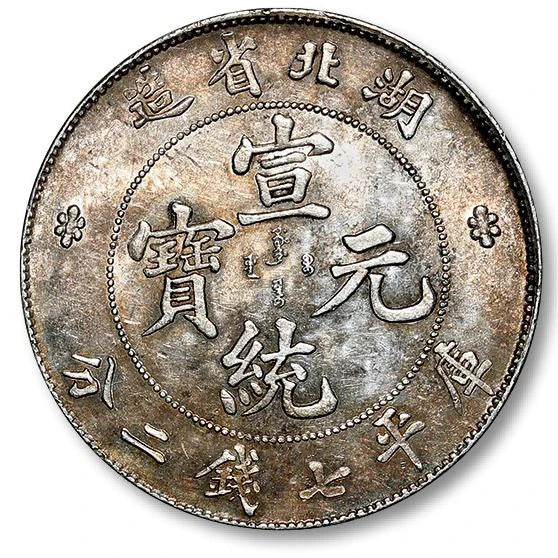
Xuantong Yuanbao Buyback | Gu Jin Jian Bao
Xuantong Yuanbao Collection: Collecting and Appraising Silver Coins from Late Qing Dynasty...
-

Yuan Shikai silver dollars Buyback | Gu Jin Jian Bao
Yuan Datou (Fat Man Yuan) Silver Dollars: The Most Recognizable Investment in...
-

Sun Xiaotou Buyback | Gu Jin Jian Bao
Sun Yat-sen "Small Head" Silver Dollars: Authentication of Founding Commemorative Coins and...
-
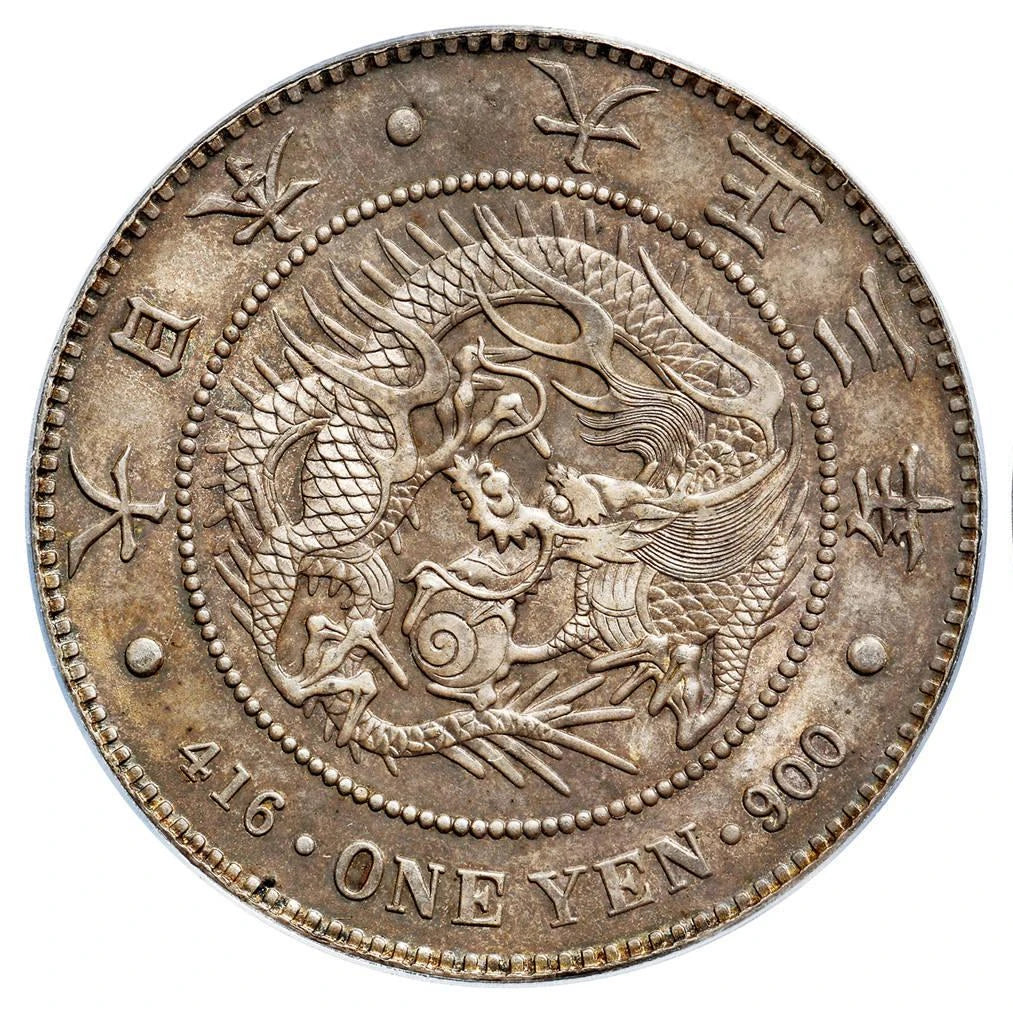
Japanese silver coins buyback | Gu Jin Jian Bao
Buyback Japanese Silver Coins: Appraisal and Purchase of Meiji Dragon and Trade...
-

first edition of Renminbi Buyback | Gu Jin Jian Bao
First Series Renminbi Buyback: The Collection Value of the 1948 Founding Currency...
-

Second edition Renminbi banknotes buyback. | Gu Jin Jian Bao
Second Series Renminbi (RMB) Collection: Market Value of Precious Notes Printed by...
-

third edition of Renminbi Buyback | Gu Jin Jian Bao
Third Series Renminbi Collection: The Classic "Green Back with Watermark 1 Jiao"...
-

Gold Buyback | Gu Jin Jian Bao
Gold Buyback: Instant Quotes for Gold Bars, Gold Coins, and Gold Jewelry...
-

Bought back porcelain Buyback | Gu Jin Jian Bao
Porcelain Collection: Appraisal and Acquisition of Wares from the Song Dynasty to...
-

Stamp Buyback | Gu Jin Jian Bao
Stamp Collection: Cultural Revolution Stamps, Monkey Stamps, and Rare Stamp Market Trends...


