[Ancient Gold Appraisal] Learning from the Past: Unveiling the Century-Long Change of "Abolition of Taels and Adoption of Yuan" in Chinese Currency during the Late Qing and Early Republican Periods
To understand "abolishing the tael and adopting the yuan", we must first clarify the difference between "tael" and "yuan".
"Tael" refers to silver taels, a type of weighed currency. Its value was calculated by weighing the silver ingots and determining their purity, making it extremely cumbersome. "Yuan," on the other hand, refers to silver dollars. Each silver dollar had a standardized shape, weight, and purity, allowing for easy value calculation simply by counting them, making it incredibly convenient. The direction of China's currency reform was precisely to shift from the outdated silver tael system to the modern silver dollar system.
Paragraph 1: The Influence of Western Influence on the East, the Birth and Chaos of the Longyang Dollar (Late Qing Dynasty)
In fact, silver coins had already entered the southeastern coastal areas of China as early as the mid-to-late Ming Dynasty through the overseas trade of Portuguese and Spanish merchants. Chinese merchants quickly discovered that these exquisitely crafted and standardized Western silver coins (such as the Spanish "Benyang") were much more useful than local silver ingots, so they began to use them by the number of coins.

During the Qing Dynasty, the trend of minting silver coins by the people never stopped. From the "Longevity Star Silver Cake" and "Zhangzhou Military Pay" during the Daoguang period to the Shanghai Silver Cake during the Xianfeng period, these were all attempts made by the people from the bottom up.
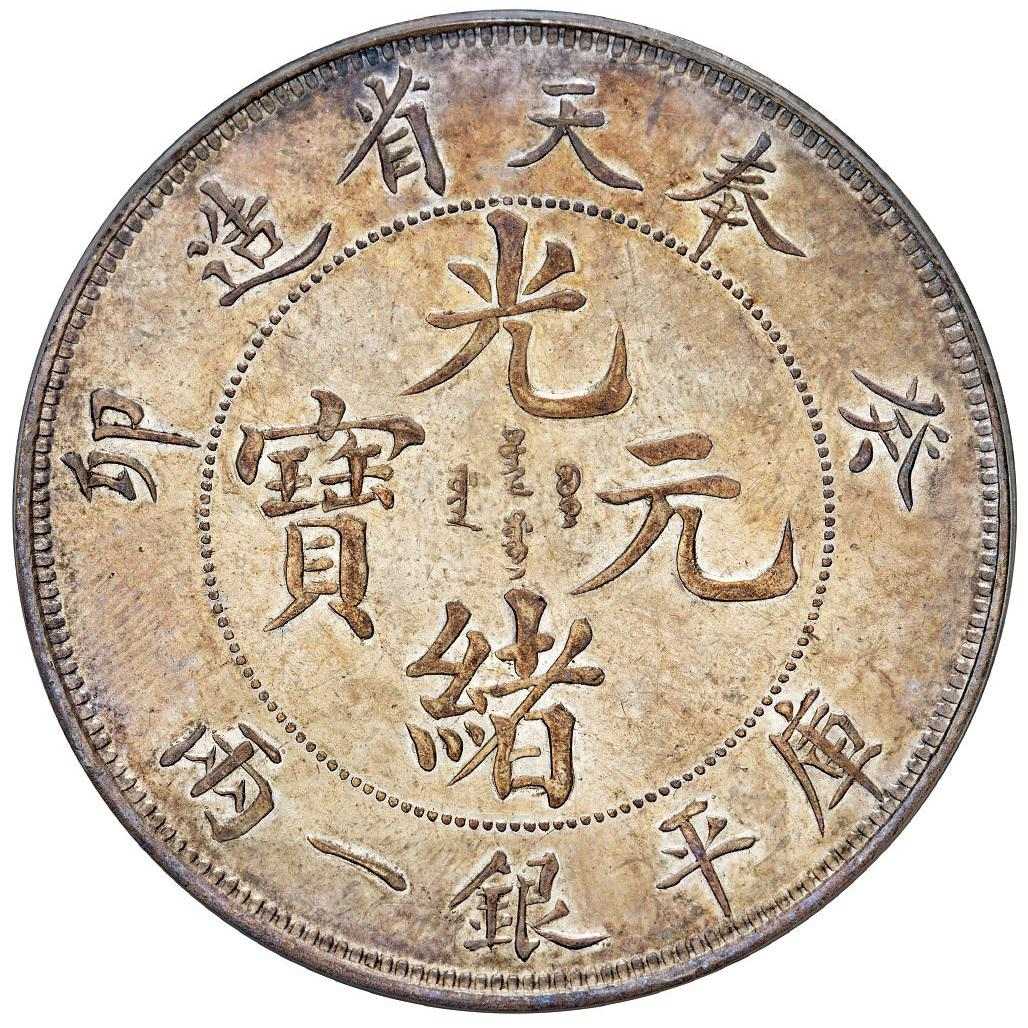
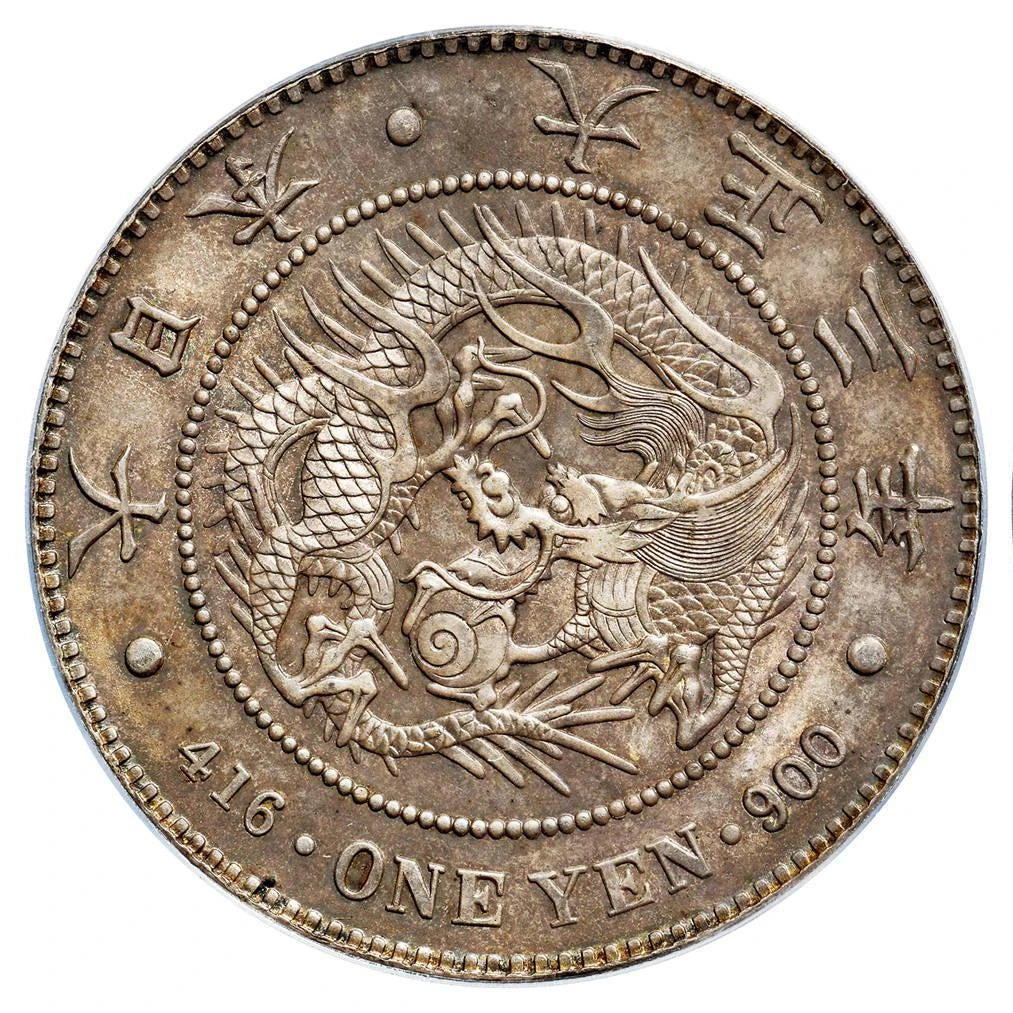
It wasn't until the sixteenth year of the Guangxu Emperor's reign (1890) that the Qing government officially began minting the first batch of machine-made silver coins in Guangdong—the "Guangxu Yuanbao," which featured a coiled dragon on the reverse and was thus commonly known as the "Guangdong Dragon Dollar."
However, this sowed the seeds of chaos from the very beginning. People from all walks of life, suffering from the inconvenience of silver ingots, had long awaited the new silver dollar. As soon as the Guangdong dragon dollar appeared, other provinces rushed to imitate it. Everyone bought new machinery and hired foreign craftsmen, creating a frenzy of "Guangdong dragon dollar minting."
The problem is this: although they are all called "Guangxu Yuanbao," the silver coin mints in each province operate independently, and the dragon dollars they mint vary in weight and fineness. Once a dragon dollar leaves its province, it is immediately regarded as silver again and needs to be re-examined and weighed. It's essentially the same thing in a different guise, and the chaotic monetary system remains unchanged.
Second paragraph: The struggle for unification – The debate over “dualism” (the late Qing government’s attempt)
The Qing government certainly knew that it was necessary to unify the currency system, but they were stuck on the core issue: should the newly minted silver coins be based on the traditional Chinese "tael" or the Western "yuan" (7 mace and 2 candareens)?
- The unit of measurement is "tael". The main currency weighs one tael and is based on the silver tael system, which is linked to tradition.
- The unit "Yuan" was the main coin, weighing 7.2 mace, the same weight as the earliest Spanish silver dollar to flow into China, and it was circulated in silver dollars, which facilitated international circulation.
The court was in an uproar and unable to make a decision. In the thirty-third year of the Guangxu Emperor's reign (1907), the Qing government solicited opinions from twenty-four governors-general and governors across the country. Although the majority opinion was ultimately taken into consideration, it was decided to use "tael" as the unit of measurement. However, the decision was shelved shortly after the deaths of Emperor Guangxu and Empress Dowager Cixi.
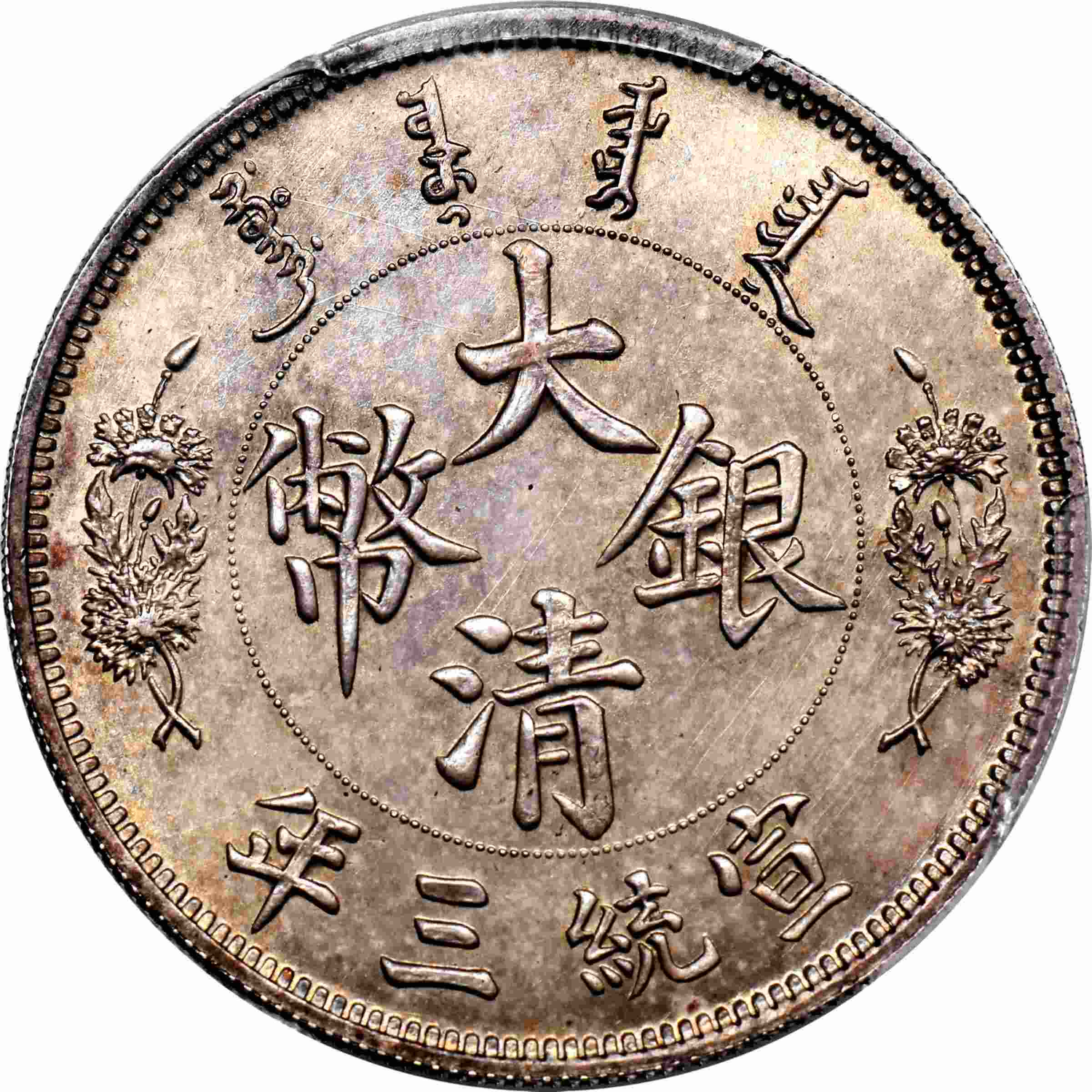
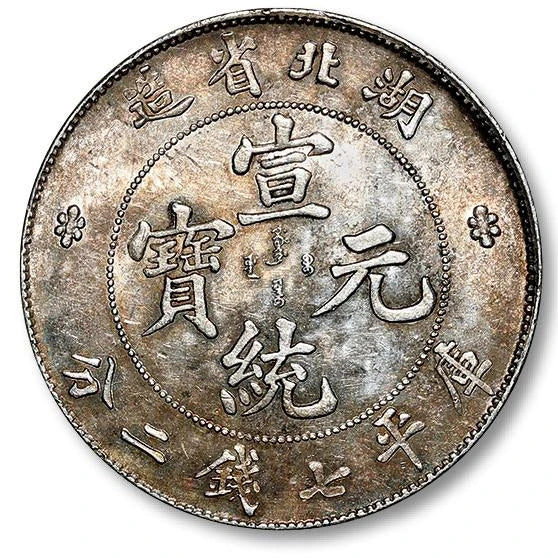
Until the Xuantong era, Zai Ze, the Minister of Finance, strongly advocated using the "yuan" as the unit of currency and promoted currency reform. In the second year of Xuantong (1910), the Qing government promulgated the "Currency Regulations," officially deciding to adopt the silver standard, using the "yuan" as the unit, and minting coins called "Great Qing Silver Coins," weighing 7.2 mace (approximately 4.6 grams). The minting rights were centralized under the central government, with the Ministry of Revenue Mint located in Tianjin in charge.
The original plan was to issue new currency in October of the third year of the Xuantong reign (1911), withdraw the old silver dollars within a specified period, and complete the unification of the country. However, the course of history is always unpredictable—the Wuchang Uprising broke out, and the Qing government collapsed.
These meticulously minted "Qing Dynasty silver coins" had no time to fulfill their mission of unifying the currency before being distributed to the market as military pay, becoming one type of circulating silver coin. As a result, the work of unifying the currency system at the end of the Qing Dynasty was forced to stop, and in the early years of the Republic of China, the monetary system was still in a chaotic situation of using both "tael" and "yuan".
This is the "Guangxu Yuanbao Kuping Seven Mace and Two Candareens Silver Coin" that we often see. Although the minting unit was the Qing government's Ministry of Revenue Mint, it actually witnessed the shattering of the Qing government's last monetary dream.

[Ancient Gold and Silver Coin Market Unveiled] : The Guangxu Yuanbao coins minted by the Central Mint have consistently seen the fastest price increases in the collector's market due to their historical significance and exquisite craftsmanship. According to auction records from the 2024 Spring Auction, a PCGS-graded AU50 Guangxu Yuanbao silver coin (7 mace and 2 candareens) fetched up to RMB 59,800 ( approximately HKD 65,780 at today's exchange rate). Even a coin in average condition (XF40 grade) reached RMB 27,600 ( approximately HKD 30,360 at today's exchange rate). The value of collecting these top-tier machine-struck coins is self-evident, but one must be aware of the rampant risk of counterfeits !
Third paragraph: The Establishment of the Republic of China – The Standard for the National Currency "Yuan Shikai Dollar" is Established
The problem of "abolishing the tael and adopting the yuan" at the end of the Qing Dynasty naturally fell on the shoulders of the Republic of China government. At that time, the dragon dollars minted by various provinces had imperial characteristics and urgently needed to be replaced by a nationally unified standard silver coin.

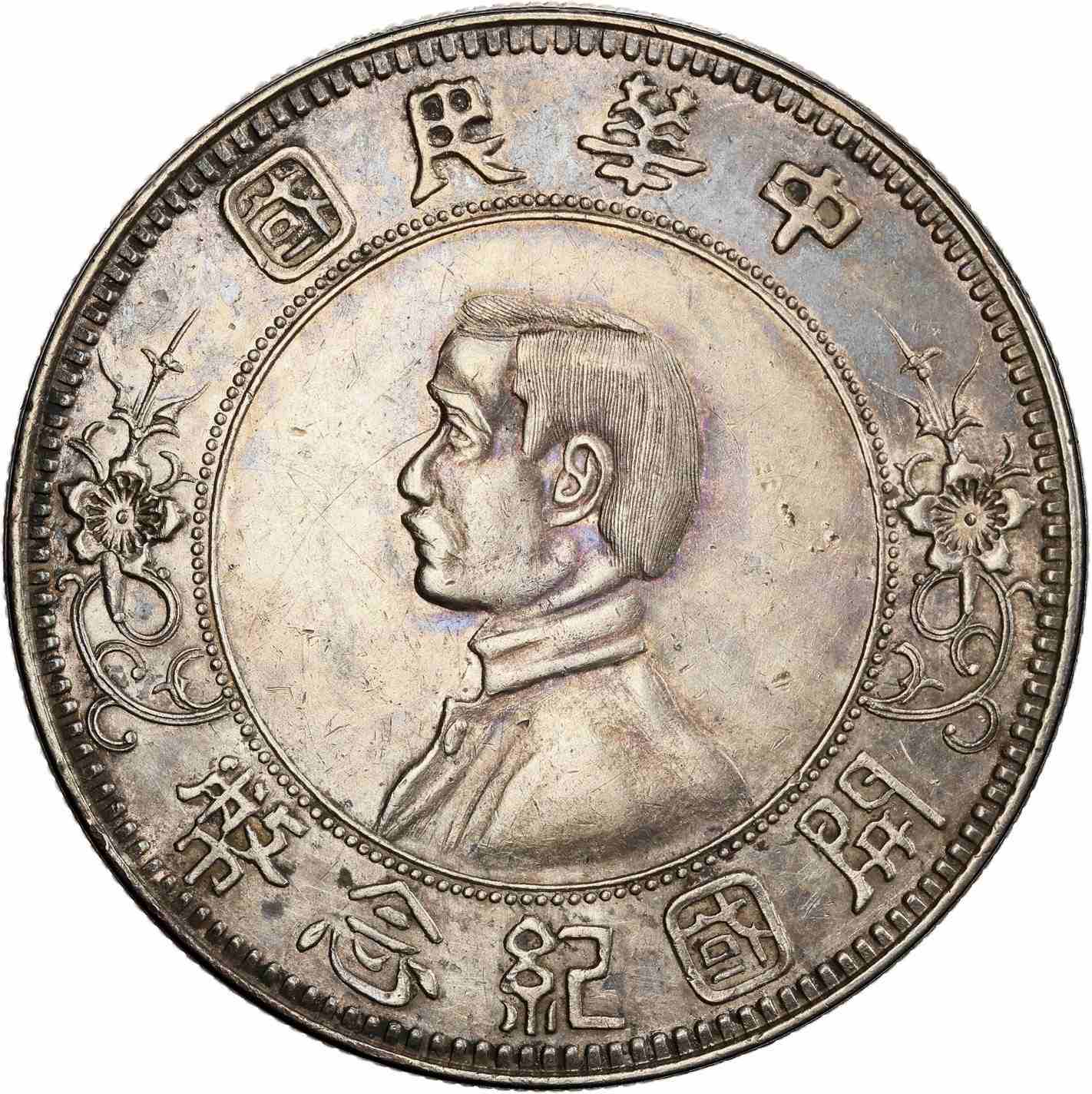
In the early years of the Republic of China, the provisional government minted the "Commemorative Coin of the Founding of the Republic of China" (commonly known as the "Sun Yat-sen Coin"), which featured Sun Yat-sen's portrait. However, true unification occurred during the reign of Yuan Shikai.
Driven by the Beiyang government, and after in-depth discussions by the Currency Committee, it was finally decided to adopt the silver standard and issue new silver coins in the form of "yuan".
On February 7, 1914 (the third year of the Republic of China), Yuan Shikai signed a presidential decree officially promulgating the "National Currency Regulations." This was the first time in Chinese history that the concept of "national currency" was introduced, and clear regulations were made regarding the unit, type, weight, and fineness of the currency.
According to regulations, the main coin, the "One Yuan Silver Coin," weighed 7.2 mace and was originally 90% pure silver. Later, to facilitate the exchange of old coins, the purity was reduced to 89%.
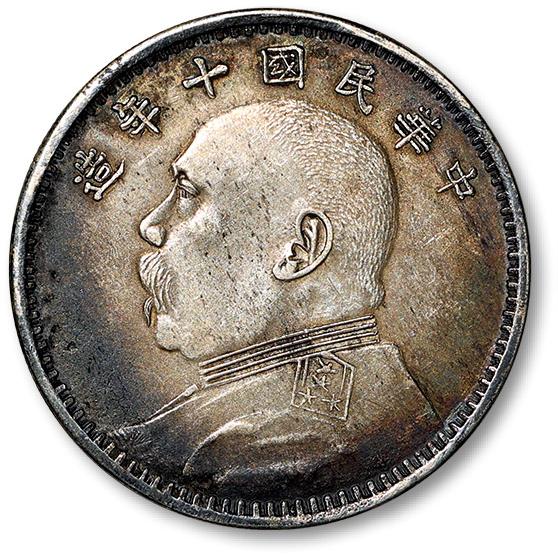
From the end of the same year to the beginning of the following year, the Tianjin Mint and the Nanjing Mint began to mint silver coins with Yuan Shikai's portrait on the obverse and a grain pattern on the reverse. The official name of these coins was "National Currency," which is what people commonly referred to as the "Yuan Datou" (Yuan Shikai's Big Head).
The success of the "Yuan Shikai Dollar" was revolutionary:
- Standardization and Promotion: The Beiyang Government abolished the provincial silver coin bureaus, but retained six branch factories in Nanjing, Hubei, Sichuan, Guangdong, and Yunnan. All of them had their dies distributed uniformly by the Tianjin Mint, ensuring the uniformity of coinage standards nationwide.
- Circulation and acceptance: Due to its uniform form, novel design, easy identification, and strict adherence to regulations regarding fineness and weight, the "Yuan Datou" coin quickly circulated freely throughout the country.
- Replacing old currency: In just one year, by 1915, it had replaced the dragon dollar and foreign silver dollars (such as the eagle dollar) in the Shanghai financial market. By 1917, the "Yuan Shikai Dollar" had become the sole main currency in circulation, and all fiscal revenues and expenditures and transactions were based on it.
Thus, the modern standard of silver coins finally replaced the traditional and outdated silver tael system. The minting and implementation of the "Yuan Shikai Dollar" was a major event in the history of Chinese currency. It was the first time that silver coins were unified, laying a solid foundation for the later "abolition of the tael and adoption of the yuan".
Summary and Market Recommendations
The transition from "abolishing the tael and adopting the yuan" involved more than twenty years of arduous exploration, from the chaos of local minting of dragon dollars in the late Qing Dynasty (1890s), to the failure of the Qing government's attempt to unify the currency (1910), and finally to the Republic of China government's unification of currency form and standard through the "Yuan Shikai Dollar" (after 1914).
As hard currency in the world of collectibles, both Guangxu Yuanbao and Yuan Shikai silver dollars possess extremely high historical value and a large following among collectors. However, collectors must always be wary of market irregularities. The current Chinese silver coin market is aptly described as "rampantly counterfeit," with at least 90% being fakes.
Advice on appraising ancient gold artifacts :
To distinguish between real and fake products, remember to "look at the silver color," "listen to the sound," and "feel the edges and teeth":
- Silver: Genuine silver coins have a soft, translucent white color with a natural, patina. Counterfeit coins often have a bluish-white tint, a harsh, glaring luster, and a "thief's shine."
- Edge teeth: Genuine coins have neat, even, and slightly curved edge teeth. The fatal weakness of modern high-quality counterfeit silver coins is that the edge teeth are often irregular, uneven, and may even show signs of filing.
- Professional grading: If you lack sufficient experience and expertise in identifying genuine coins, do not purchase uncertified coins. Choosing silver coins certified and guaranteed by professional appraisal organizations (such as PCGS or NGC) is the best way to ensure worry-free resale and avoid significant losses.
【 Ancient Gold Appraisal 】 We specialize in recycling all kinds of rare ancient coins and machine-made coins. If you have any silver coins from the late Qing Dynasty or early Republic of China, regardless of their condition, you are welcome to contact us at any time for appraisal and valuation.
Want to know how much your silver coins are worth?
Welcome to our silver dollar coin recycling service for accurate pricing.
Contact Ancient Gold Appraisal now: WhatsApp: (852) 98342057. Send clear photos for a free and fast appraisal!