
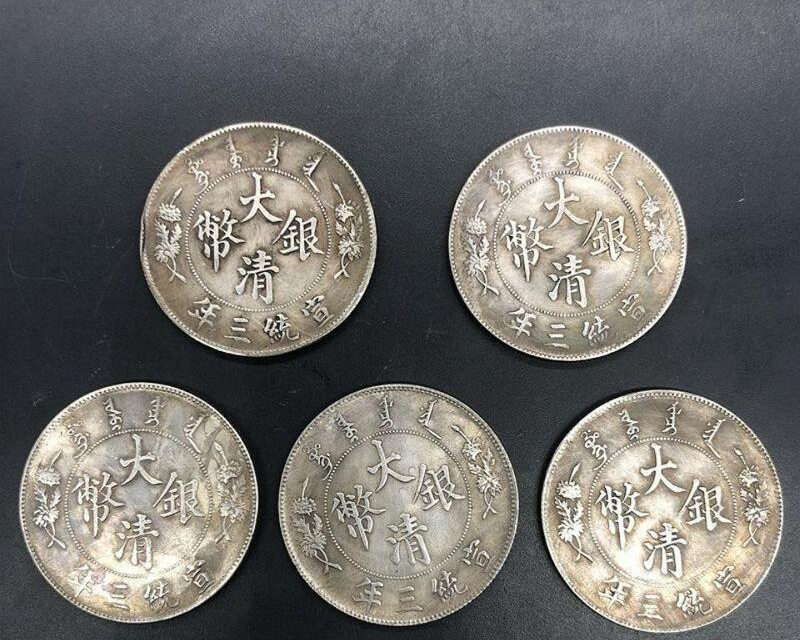
Return from documents to the Qing dragon dollar
Begin with the dragon, pearl circle, inner border and English legends visible on the metal. Keep direct observation, packaging and oral accounts separate when their descriptions disagree.
Add patina, wear, knocks and possible cleaning under the coin's identifier. Mark an unsafe or hidden area rather than completing it from expectation.
Use complete and raking-light photographs to identify the unresolved fields. Stop a measurement or handling step that cannot be safely repeated.
Preserve the position of every detail
Capture both faces with the full rim, followed by located close-ups of dragon, pearl circle, inner border, English wording and denomination. Retain native measurements.
Number several dragon dollars before sorting by province, reign wording and Kuping denomination. Their inscription face, dragon face, edge, weight and diameter stay together.
Keep complete images, details, dimensions, packaging and papers under one number. Do not borrow a hidden feature from a similar issue.
A tentative name can start the description
Record readable legends, designs, dimensions, enclosure and current condition. Leave an obscured province or denomination open.
Preserve sleeves, applied marks and provenance separately. They do not replace examination of the inscriptions, dragon, pearl circle, surface or edge.
Match papers to the individual coin
Dragon dollars sharing a market name may differ in province, reign wording, denomination or design. Group them from direct evidence before detailed attribution.
Photograph the circumference in overlapping sections and leave joints, altered rims, holes, solder and former mounts untouched.
Identify and date any reference used for issue or production context. Similar images are useful only after the visible type aligns.
Know when direct inspection is justified
A grading holder contributes a label and grade, but the enclosed province, denomination, dragon and surface still need checking.
Photographs can show obvious wear and damage; composition, subtle repair and concealed edge areas may nevertheless require examination in hand.
A practical Qing dragon-dollar sequence
Start with complete faces and match the province or mint, reign inscription, Kuping denomination and legends. Keep any worn character unresolved.
Add the full circumference, original weight and diameter with tools, units and measuring points. Map every countermark or rim change.
Transcribe holders and papers independently, preserving any conflict with the coin. A dated discrepancy is more useful than an overwritten description.
Retain original images without colour filters and add clearer angles separately. Lighting differences can otherwise imitate surface change.
Before consultation, reconcile the coin number, photographs, measurements and hidden areas. Let a specialist address the precise open point.
