
 WhatsApp item photos
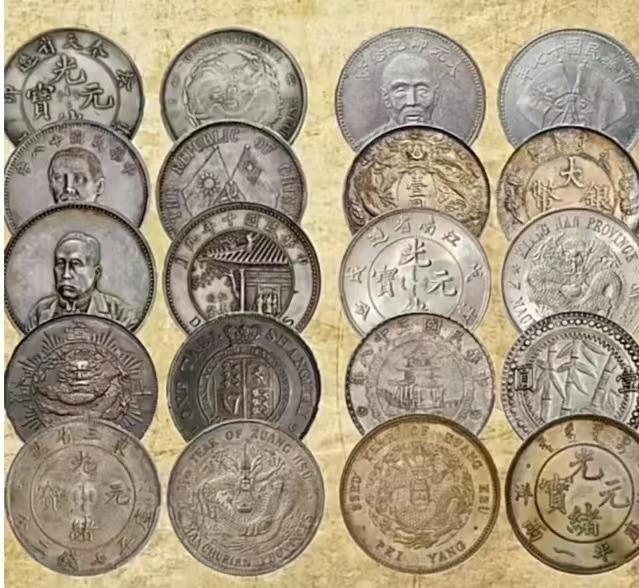
Separate Yuan, Sun and dragon designs before comparison
A mixed group should not be reduced to the single label ‘silver dollars’. Use the principal design and readable inscriptions to divide Yuan portrait coins, Sun portrait coins and provincial dragon issues into distinct groups.
For each piece, transcribe year, denomination and both sides, then add weight, diameter and the entire edge. Sleeves, grading holders and oral histories belong with accompanying material, not inside the coin description.
Describe toning, circulation wear, weak strike, wiping lines, knocks and altered rims within each group. Measurements only become comparable once the type and design have been aligned.
Make every historical comparison traceable
Coins sharing a familiar name may carry different dates, denominations or mint features. Sort those visible distinctions before discussing condition or finer attribution.
Photograph the circumference in overlapping sections and preserve any joint, piercing, solder or former mount. An unclear area remains a question rather than an invitation to disturb the surface.
Identify and date references used for issue, manufacture or historical context. Earlier labels and online images may suggest a route, but the coin remains the primary evidence.
Establish the family before arranging the details
Begin with a working identification, legible wording, principal motif, available dimensions, enclosure and current condition. Flag anything obscured for a later look.
Keep countermarks, sleeves and provenance accounts beside the object description. None replaces examination of inscriptions, design, strike, metal and edge.
Retain every original reading
Photograph both faces with the full rim before making close views of wording, central design, inner border, mint feature and edge. Use the same identifier throughout.
When several pieces look alike, number them before sorting by year, denomination and motif. Their faces, circumference and dimensions must never exchange partners.
Keep overall views, detail shots, measurements, holders and papers together. If a converted figure is useful, place it beside rather than over the native reading.
Design a later examination around the unresolved point
A grading holder supplies a label and score, yet the enclosed type, date, proposed variety and surface still deserve comparison. Name the exact area that remains hidden.
Photography can expose obvious wear and damage, but metal, subtle restoration or plastic-obscured surfaces may call for inspection in hand. Explain the reason before contact.
A concise method for a mixed silver-coin group
First assign one number to each coin and capture its year, denomination, legends and main design. Then add the original weight, diameter, tool and unit without forcing an attribution.
Return to the uncropped and raking-light views when comparing any tentative name. A close-up that cannot be positioned on the complete coin should not determine the result.
Preserve earlier observations when image direction or measuring position changes. A dated correction is more informative than a silently replaced value.
Check that every photograph and note belongs to its numbered piece. Any loose detail stays outside the comparison until its location is proven.
For a specialist enquiry, present the mixed group already separated into Yuan portrait, Sun portrait and dragon designs. This exposes the true information gaps without flattening unlike coins into one type.