
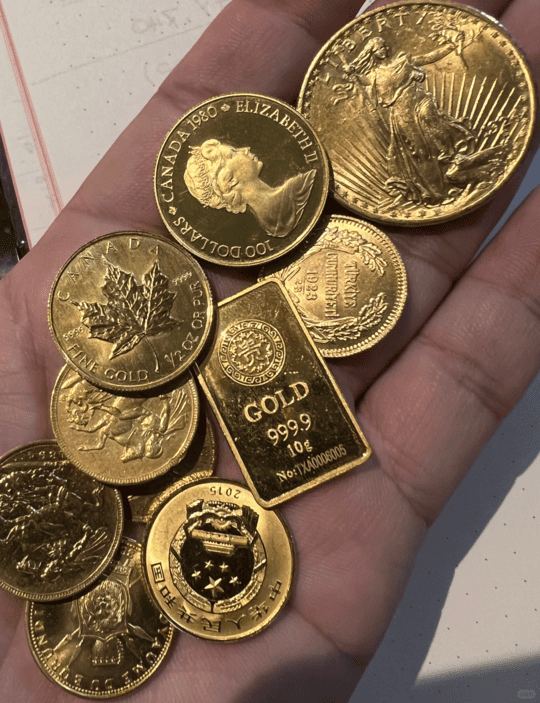
Set a repeatable order for collection review
Enter complete views, edges, bases and damage locations first, then record supports for fragile, damp or adhered objects under the same number.
Add filenames, batch list and storage position only after the physical object can be found and recognised.
Transcribe old labels with review dates while leaving blanks explained rather than guessed.
Personal stories and prices do not belong in the object conclusion.
Move from batch overview to individual evidence
Give every object complete images and measurements, defining the handling consequence before any contact.
Separate mixed material on suitable supports without changing original surfaces for photography.
Match storage to material
Keep boxes, sleeves, certificates and labels linked through numbers while their claims remain distinct from visible evidence.
Place provenance, observable features and unresolved questions in separate sections.
Separate metal, paper and ceramic groups
A batch can contain metal, paper, stamps, ceramics and other material, each requiring different storage limits.
An overview establishes quantity; each object still needs a name, dimensions, packaging and located condition.
Let the checklist define the next action
Images may reveal text and obvious faults, while material, concealed cracks or fine repair can require direct review.
Use a cautious working name and leave unsupported date or attribution open.
Use unresolved fields to choose the next safe view
Connect complete photographs, measurements and unresolved areas to the correct numbered item rather than a batch total.
Keep record-control details and material groups separate, preventing later conversions or oral accounts from replacing source data.
When a document conflicts with an object, retain both texts and dates for targeted review.
The final list should let another person locate, support and re-examine the same object without guessing.
Bring existing packaging and records to any direct examination, identifying the exact missing fields in advance.
