
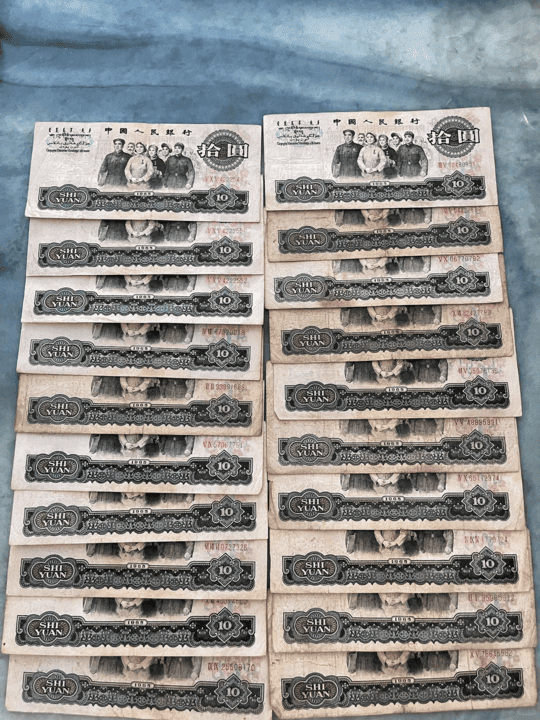
Photograph the collection before changing its arrangement
Begin with the box, album, drawer or shelf as found. Then assign stable numbers and take complete views, including the edge or base where the material permits safe handling.
A damage close-up should always follow a locator image. The filename and caption must identify the item, side and position rather than rely on visual memory.
When an object is damp, brittle, stuck or poorly supported, record the restriction and stop moving it. Stabilisation takes priority over a perfect camera angle.
Use batch photographs for quantity, not borrowed detail. Each object needs its own images wherever materials, dimensions, serials or condition differ.
Keep packaging as evidence of association
Number boxes, envelopes, mounts, sleeves and tissue separately, then link them to the relevant item. Photograph the connection before lifting loose contents.
For a sealed or tied package, record visible markings, approximate contents and concealed areas. Do not break a historic closure solely to complete the catalogue.
Transcribe labels without adopting them automatically
Copy wording, dates, collector numbers and prices exactly, including crossings-out or uncertain characters. Keep the transcription distinct from the current object description.
An old name can guide research, but it cannot supply hidden lettering, material or dimensions. Date any revised identification and retain the earlier label photograph.
Tailor condition notes to the material
For metal, locate toning, corrosion, scratches, dents, holes, solder and cleaning traces. For paper, map folds, tears, stains, foxing, thinning and adhesive.
For ceramics, show hairlines, chips, glaze loss, bonding and overpaint. For jewellery, include settings, clasps, broken links, solder and missing components.
Describe damage with precise locations
Use neutral, locatable wording for every affected area so another person can find it without relying on a phrase such as ‘minor damage’.
Keep tears, cracks, adhesive, corrosion and missing components within the damage map, linking each observation to a full view of the numbered object.
Protect private provenance
Give receipts, certificates, family lists and correspondence their own filenames, keeping personal details out of public images while retaining a controlled archival copy when provenance depends on them.
Check that every numbered object appears in the image folder and that every labelled package points to a real item or an explicitly missing one.
Preserve original filenames and first photographs when new material arrives. Add dated views rather than overwriting the condition evidence.
List unexamined bases, sealed edges, stuck pages and conflicting labels. These gaps direct future work without encouraging risky opening or cleaning.
At handover, confirm count, storage location, packaging order and known fragile points. The next handler should not need to rediscover which part is loose or repaired.
