
One identifier should follow one collectible
Assign the number before photography and retain it on the inventory, image names, measurements, packaging and handover list. Similar-looking objects must not share close-ups or condition notes.
- A complete view showing the object's full extent
- Material-specific sides, edges, underside or back
- Damage and identifying details located on the overall view
Preserve the current grouping in an initial photograph, then separate objects only as far as handling permits. This gives later changes a clear point of comparison.
Date new observations instead of replacing the first description. A changed attribution can coexist with the earlier wording and its supporting evidence.
Photograph according to material
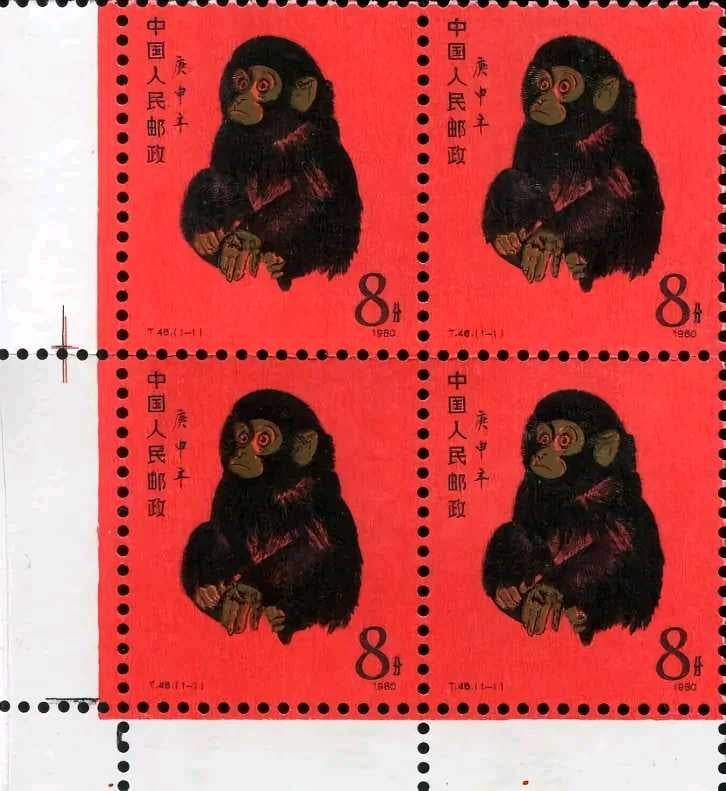
For metal, show both faces and the circumference; for paper, include all corners and edges; for a stamp or multiple, preserve the complete format and back where safe; for porcelain, include profile, sides and underside.
Use a neutral background and consistent orientation. Every enlargement of an inscription, serial, perforation, repair or mark needs a recognisable position on the complete object.
Keep measurements repeatable
State the tool, unit, reading and measuring point. Retain the native value even when a converted figure is added for convenience.
Do not force a measurement when a slab, frame, album or fragile area prevents safe access. Describe the restriction and leave a precise question for direct review.
Treat packaging as a related object
Number boxes, sleeves, albums and labels where necessary, then connect them to the collectible without merging their descriptions. Photograph seals, tears and old writing before opening.
A package name, certificate or family story may support provenance. Visible design, inscriptions, material and condition still require independent observation.
Make handling limits obvious
Note a weak clasp, brittle edge, adhered stamp, loose mount, unstable glaze or repaired handle before anyone lifts the object. Use broad support and avoid pressure on damaged areas.
Do not clean, polish, press, soak or separate an item merely for a clearer image. The existing state is evidence and may determine the safest next step.
Protect private and sensitive context
Retain a person's name, address or family account only with permission and only when it helps the provenance. Redact irrelevant personal detail from handover copies.
Ask before contacting another party, opening a sealed package or conducting a destructive test. Keep the consent and any limitation beside the relevant item number.
Before movement, compare the object count with the identifiers, photographs, measurements, packages, documents and stated storage locations.
Reconcile the object count, identifier range, photographs, measurements, packages, documents and storage locations. Investigate any duplicate or missing number while the arrangement is still available.
Check the set before handover
Confirm that each damage view can be placed on the correct complete object. Unmatched images should be quarantined from the description rather than assigned by resemblance.
Provide a handling note for vulnerable objects, state which package remains sealed, and have both parties date the physical count while naming any item not examined.
