
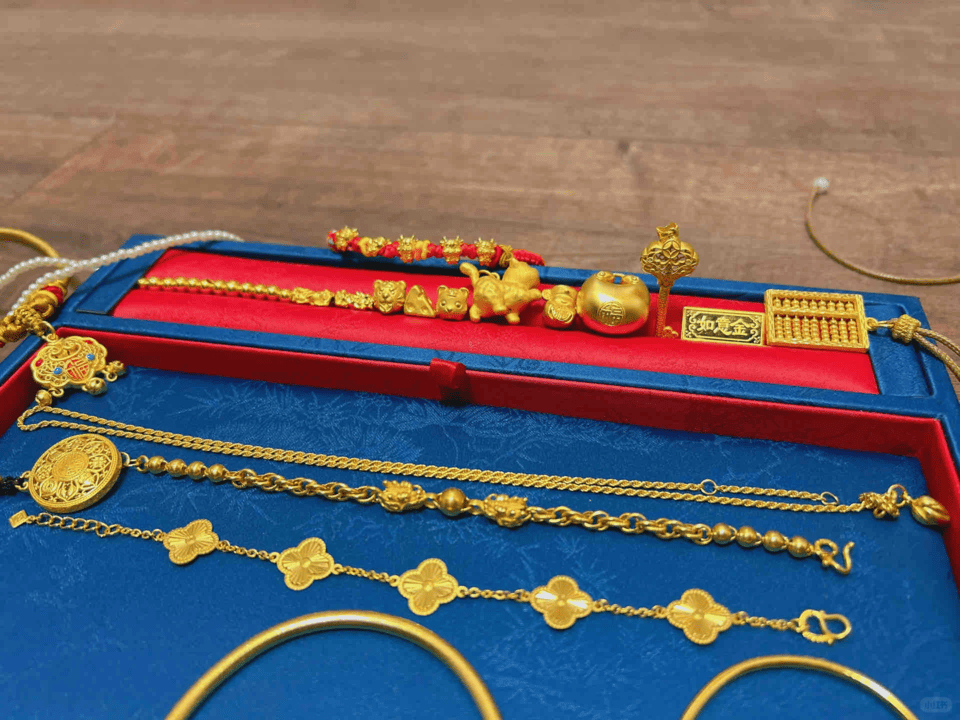
Start with an overall view of the collection
Transcribe visible wording before describing boxes, documents, labels and provenance. Do not let a familiar name printed on packaging become the object's identity by default.
Take dimensions with the tool and original unit stated, leaving an uncertain name, period or material unresolved until supporting evidence appears.
Note the material, total item count and current name, and keep the full object inside the frame. Any unclear, unsupported or unsafe detail stays open.
A seller's recollection, shop name or transaction story provides context but is not physical evidence from the object.
Move from the group to one item at a time
Give an object one identifier and connect its full view, front, back, edge or base, measurement image and any relevant package.
Separate material groups and choose appropriate supports. Metal, paper, stamps and porcelain should not share one preservation response.
Several boxes do not necessarily contain one kind of object
Divide a household collection by material before applying numbers, especially when packages have been rearranged over time.
The group image establishes quantity; each item then needs its own current name, dimensions, weight where relevant, packaging and exact damage location.
Protect the evidence according to material
Keep boxes, sleeves, certificates, receipts and labels, and state which numbered item each one accompanied. Leave a loose attachment unmatched if its connection is uncertain.
Provenance can explain custody, while visible evidence, unconfirmed claims and supporting documents must remain distinct.
Check the handover set before anything moves
Use images for wording, design and positioned damage, but reserve material, hidden cracks, paper structure and subtle repair for direct inspection when photographs cannot establish them.
Keep unsupported names and periods explicitly open so a later comparison does not inherit a premature conclusion.
A sequence that survives later additions
Separate packaging, documents, labels and provenance from supports used for fragile, damp or adhered items, then connect each object photograph to its number.
List material, count and current name alongside individual images. Date genuinely new information rather than replacing the earlier description.
Retain both versions when a proposed name, measurement or association changes, with a short reason for the revision.
Put the identifier in every photograph filename. A close-up that cannot be located on a complete view should not support the final description.
Number packages independently
Use a clear sequence such as Object 01, Package 01 and Attachment 01. Apply it to silver dollars, bars, jewellery or other groups, and leave an unpaired receipt open.
Transcribe labels without correcting them
Keep old label wording exactly. For coins, return to faces, edge and surface; for bars, to packaging, hallmark and weight; for jewellery, to clasps, solder, stones and cords. Preserve any conflict.
Reverse-check the count
Verify object, photographs, package or attachments and current location in that order. Group images confirm quantity only; complete, detail and measurement views remain item-specific.
A photograph-heavy enquiry becomes easier to review when images are sorted first by identifier and then by material group.
