
Count physical objects before relying on the boxes
Start with a table or clean surface and assign a unique number to every object. Empty cases, loose capsules and detached accessories must be counted rather than assumed to contain an item.
Object field: record a working name, material group, visible features, dimensions or weight and present condition.
Packaging field: describe boxes, sleeves, albums, capsules, seals and old labels under their own identifiers.
Build the Inventory in Material Groups
Separate the collection into metal objects, paper items, stamps and porcelain before photography, without forcing an uncertain object into a final material group.
Use different support and storage limits for each group: isolate metal pieces, keep paper flat, protect perforations and gum, and support porcelain beneath its base and body.
Keep boxes, sleeves, albums, stands and loose attachments with their item numbers while the material groups are arranged, so nothing changes owners by proximity.
Match Objects to Their Packaging
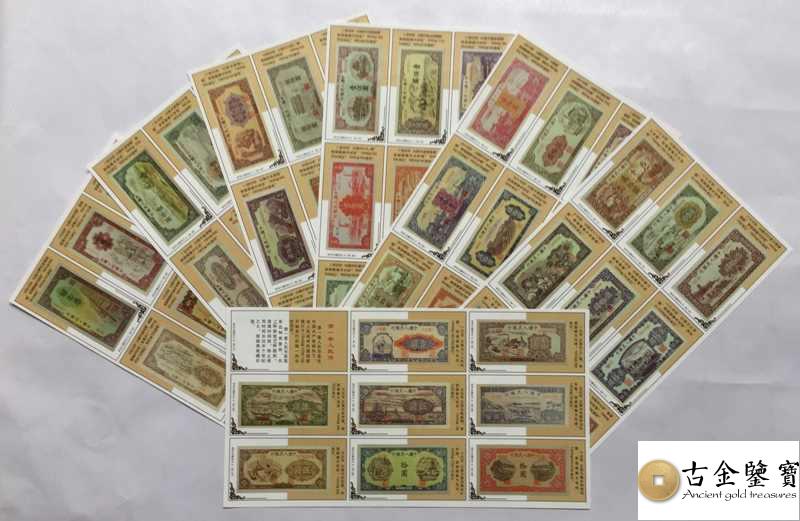
A batch image can prove how many pieces were laid out at one moment, but it cannot replace the individual cards or show whether a loose accessory belongs to a specific item.
Photograph each object beside its open and closed container, and preserve every mismatch between an old label and the physical contents.
Make Packaging Correspondence Explicit
Record seal state before opening or closing anything. If a sealed group is not to be disturbed, list the visible count and the limit rather than asserting an internal quantity.
Keep original labels even when they appear inaccurate. Date a corrected working description in a separate field so the history remains traceable.
Transcribe certificates, receipts and family notes with their dates, keeping personal details out of shared copies unless genuinely required.
Check Documents Independently
Match names, dates, measurements and photographs one field at a time. A document discrepancy should stay visible until the object can be examined, not be resolved by rewriting the document.
Family accounts belong with provenance notes and a date. They should not fill an unreadable coin legend or a missing paper serial.
Plan the before-and-after count
Before sealing, count the main objects, empty containers, loose parts and documents by category. Record who checked the list and the time.
At transfer, both parties should review the item numbers, package condition and stated scope. Record the person handing over, the person receiving and the agreed date.
After return or onward transfer, repeat the count against the original version. Photograph altered seals, new damage, missing attachments or unexpected contents immediately.
A shortage, empty box or unattached accessory needs photographs, time and relevant identifiers rather than a merged inventory line.
When the Handover Count Produces a Discrepancy
If a loose accessory cannot be assigned safely, number it as an independent item pending review. This is preferable to attaching it to the most similar object.
Keep Every Inventory Version
Preserve signed or acknowledged versions and add corrections with who confirmed the change and when, instead of overwriting the earlier list.
Reconcile the Physical Layout
Pack coins independently, support paper flat and prevent fragile objects from carrying weight through rims, handles or protruding parts. Record any existing enclosure that cannot be changed.
Reconcile the Handover Count
Before sending an enquiry, remove unrelated personal documents from photographs and include only the evidence needed to identify the collection and its condition.
Retain the transport and return dates with the same inventory version so later checks can identify which count governed each transfer.
