
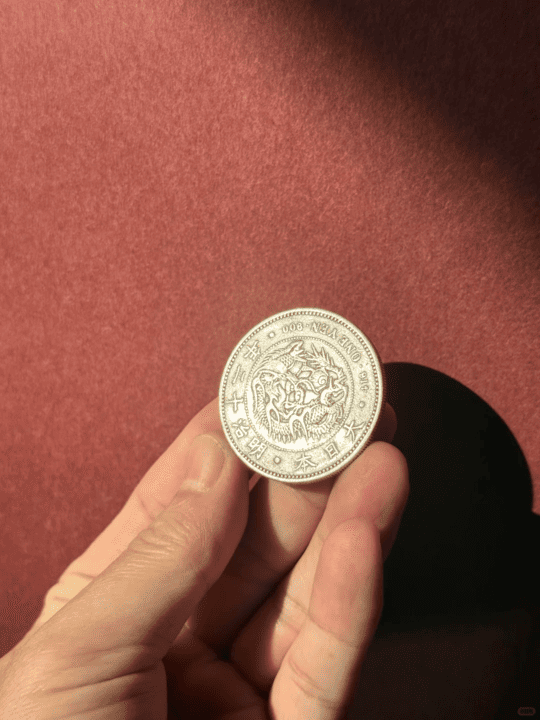
Assemble complete and raking-light views before filling the coin card
Describe a damaged area by direction and distance from a fixed feature. Begin with whole-coin, raking-light and positioned close-up photographs under one identifier.
Keep the evidence sections distinct
Place weight, diameter, instrument and original unit under measurements; keep an uncertain coin name or variety under identification rather than merging both into one conclusion.
Check the image orientation during review and leave a genuine gap open. If packaging cannot be disturbed safely, state the restriction instead of forcing the view.
Personal names, places and transaction stories are not physical evidence; the following steps concern only the coin, its measurements and present condition.
Make the edge a continuous sequence
While the coin remains enclosed, photograph overlapping edge sections around the circumference. Preserve seams, altered rims, holes, solder and signs of former jewellery use.
In a separate pass, distinguish patina, circulation wear, weakly struck detail, wiping hairlines and possible chemical colour without cleaning the metal.
Describe toning and wear as they appear
For several silver coins, group visible dates, denominations and principal designs before assigning numbers. Each obverse, reverse, edge, weight and diameter remains with its own piece.
A grading holder supplies label wording and a stated grade, not automatic confirmation of the enclosed type, year, variety or surface.
Give every silver dollar its own identifier
Transcribe the date, denomination, legends and main designs before comparing dimensions for an adequately established coin type. Retain every first reading and unit.
Secure both faces with the entire circumference visible, then add located details of wording, designs, denticles, mintmarks and rim areas.
Know when photographs have reached their limit
Keep chop marks, old sleeves and provenance notes apart from the inscriptions, design, metal surface and edge; supporting material cannot substitute for the coin.
Coins with a shared broad name may carry different dates, denominations or mintmarks. Sort the visible features first, then consider condition.
How Faces, Readings and Edge Frames Stay with One Coin
Begin with dragon details, legends and the beaded border. Match weight, diameter, tool and original unit to visible mintmarks, chops, holes or altered-rim positions under the same identifier.
After one complete pass, reconnect a tentative name or variety and the circumference photographs to that piece. Date any conversion, oral account or later addition independently.
Photographs can establish visible wording, motif proportions and conspicuous damage, yet composition, hidden cracks and delicate later work may need examination in hand.
Do not wash, polish, scratch-test or file the edge. Leave sealed or original packaging closed until its role and the effect of opening have been discussed.
Before comparing related material, number every coin and ensure dragon, lettering and beaded-border details have not migrated between image sets.
