
Identify the evidence gaps in 18K and 14K jewellery
Begin with complete views and list stones, pearls, cords, clasps and other fittings that can be seen without dismantling the piece.
Evidence available now
Link receipts, tags, boxes and bags to individual item numbers while keeping their claims separate from the jewellery.
Evidence still required
Mark any missing style, count, hallmark or damage view and leave concealed construction unresolved.
Record the complete item before weighing
Give bracelets, necklaces, rings and pendants separate numbers, photographing their full form, hallmark location, clasp and damage.
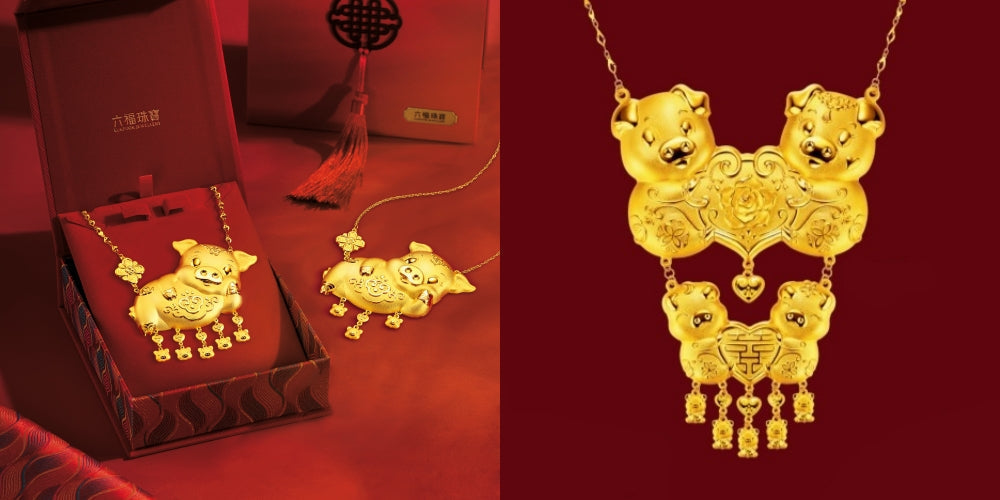
For a wedding set, preserve the relationship but never treat the group weight as net gold for each component.
Interpret hallmarks in context
Sort visible 999, 916, 750, 585 or 14K marks as clues. Later clasps, solder and mixed materials still require examination.
Photograph hollow sections, joints, openwork and moving components before making any assumption about construction.
Keep images, readings and documents under the same object number.
Preserve the present condition
Map breaks, deformation, missing gold, repairs and solder, retaining the original scale reading and unit.
Images can locate damage, while fine repair, internal supports and concealed materials may need direct review.
Keep provenance outside the fineness conclusion
Photograph the complete piece, hallmark, clasp, solder and fittings from different directions rather than recording only the decorative face.
Separate stones, pearls, strings, springs, watch movements and other non-gold parts from any stated net-metal basis.
Cite historical or maker information, leaving oral accounts and online images as background leads.
Separate the gross reading from the supported net basis
Connect non-gold components, jewellery type, visible marks and each measured weight to the same object.
Retain first values when new readings appear, adding dates rather than overwriting the evidence.
Distinguish gross object weight, supported net basis and any adjustment so the arithmetic remains reviewable.
Do not cut, file or dismantle an inaccessible area simply to fill a material field.
Read 18K and 14K markings within the whole object
A 750 mark commonly indicates 18K, while 585 or 14K wording commonly indicates 14K; photograph the mark and adjacent construction without treating it as sole proof.
List solder, replacement clasps and non-gold fittings
Record every different component and its location, retaining the total weight, tool and unit while unsupported deductions stay open.
Keep sealed or boxed jewellery intact, stating which clasp, joint or interior remains hidden.
