
 WhatsApp item photos
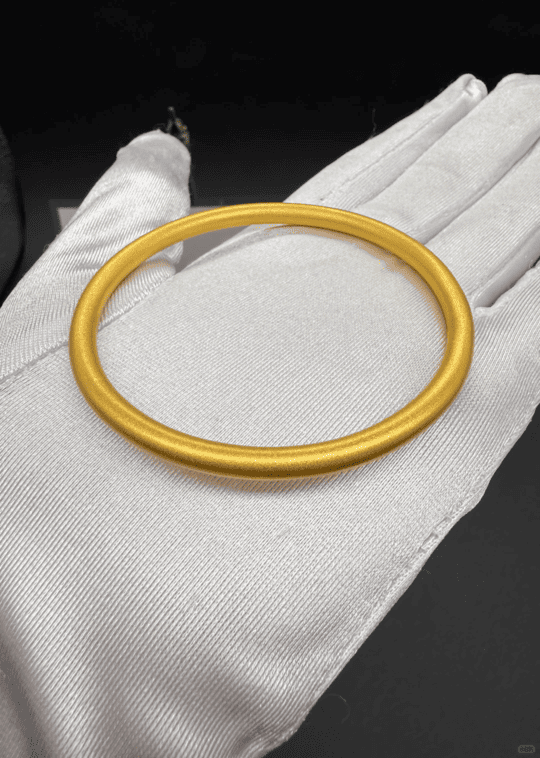
Set the review order for gold jewellery
Enter style, piece count, hallmark location and visible damage first. List stones, pearls, cord, fasteners and other non-gold components separately under each object number.
Next sort bangles, necklaces, rings and pendants into individual records. Preserve native scale readings instead of overwriting them with conversions or a set total.
Date the review and leave an unexplained field open. A trade name, family use or old price is not an observed material property.
This page records the jewellery in hand rather than the names, purpose or prices attached to a case story.
A set still consists of individual objects
Number every bangle, necklace, ring, pendant and matching component. Record count, style, hallmark position and damage before any contact examination.
Photograph the whole item, joints, solder and moving parts for each piece. A set photograph establishes arrangement but cannot replace individual structural views.
List non-gold components explicitly
Distinguish gross and potential net-gold weight. Name stones, pearls, cord, springs, movements and other components rather than assuming a fixed deduction.
Show the scale's unit and decimal places in the image. Keep grams, taels and troy ounces in their original fields, with one reading per numbered piece.
Map construction and repair
Marks such as 999, 916 or 750 are leads. Solder, later clasps, hollow supports and mixed material require their own observations.
Locate fractures, deformation, losses and repairs without polishing, cutting or fire testing the object for photography.
Define the inspection boundary before handover
Match receipts, tags and packaging by object number. Treat an inseparable fitting as pending rather than applying an unsupported standard deduction.
Count every piece at handover and write the scope of any testing, dismantling or deduction before it occurs.
A practical jewellery inventory
Start with the style, count, hallmarks and visible damage, then add each weight with its scale unit. Do not promote an unverified name from a photograph into the conclusion.
Finish the bangle, necklace, ring and pendant grouping before estimating any inseparable component. State where packaging or structure prevents a view.
Object observations, receipts and oral history stay in separate fields. Preserve both entries and dates if they disagree.
Before consultation, reconcile piece count, accessories, packaging and pending net-weight items. Inspection or deduction terms should follow the actual review.
At the final check, ensure every set component has whole, hallmark, joint and solder images rather than relying on the group photograph.