
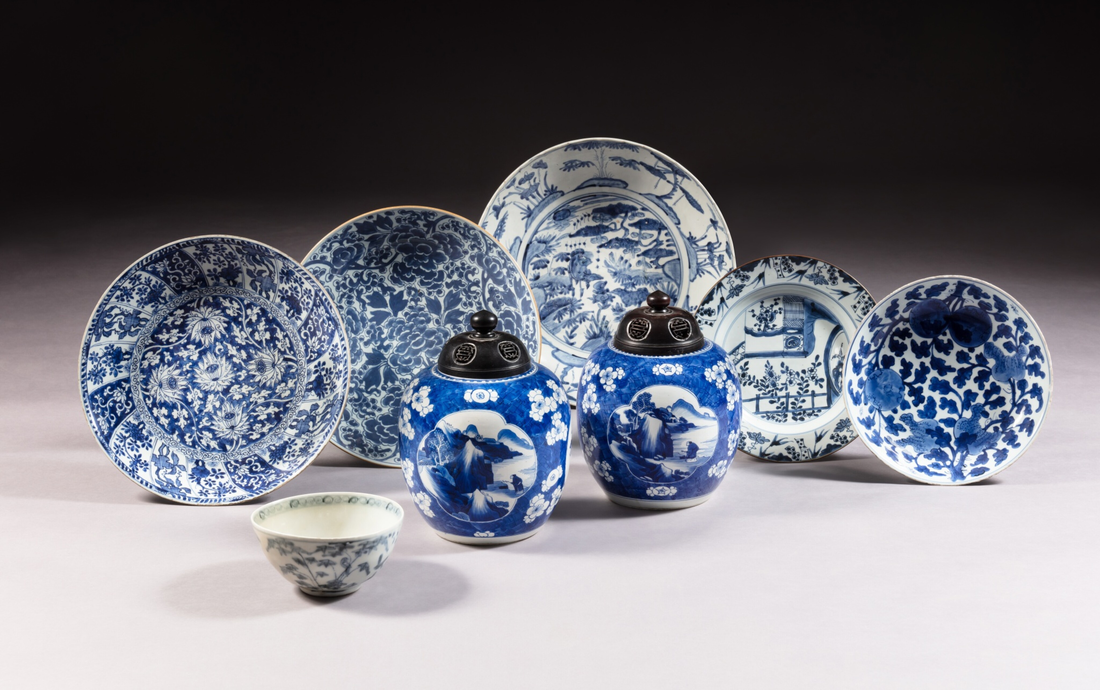
Begin with the vessel or figure as a complete form
Photograph the front, back, both sides, rim and base with the object safely supported. Keep the camera level and step back enough to reduce wide-angle distortion.
Record height, mouth diameter, foot diameter and maximum body width with tools and units. Measure the main body rather than letting handles, spouts or stands silently change the dimensions.
Describe form before decoration
Name a bottle, jar, bowl, plate, cup, censer or figure only when the profile supports it. Note neck, shoulder, belly, foot and applied elements in their visible relationship.
If a wooden stand or box accompanies the piece, number it as an accessory. Do not force apart a stand that appears stuck or glued to the base.
Read body, glaze and foot as separate evidence
Photograph exposed body, glaze colour and texture, foot rim, base and visible firing traces. Keep an old label legible without treating its attribution as proof.
Record orange-peel texture, pinholes, crawling, runs, bubbles and handling wear by location. These observations require neutral and raking light, not a destructive test.
Map damage before discussing age or value
Use side lighting to locate hairlines from rim to endpoint. Record chips, glaze loss, scratches, bonding, fills, overpainting, grinding and metal-lacquer repair separately.
A sound photograph includes a full-view locator and a detail with scale. Do not tap the porcelain, apply hot water or use dye to chase a hidden crack.
Know when the base cannot be inspected safely
If a fixed mount, wax seal or adhesive blocks the foot, document the obstruction and every accessible angle. Specialist handling should address a defined question rather than force separation.
If the base remains inaccessible, keep comparisons provisional and record exactly what the mount conceals.
Use references to identify positions, forms and decorative vocabulary worth checking. Do not import another vessel's reign mark, dimensions, body colour or restoration history.
Keep published history and family provenance in their own notes with dates. The object description should remain limited to evidence visible on this porcelain or supported by a linked document.
At handover, reconcile the piece, stand, box, labels, dimensions and condition map. Support the weakest area and avoid pressure on handles, rims or old repairs.
