
 WhatsApp item photos
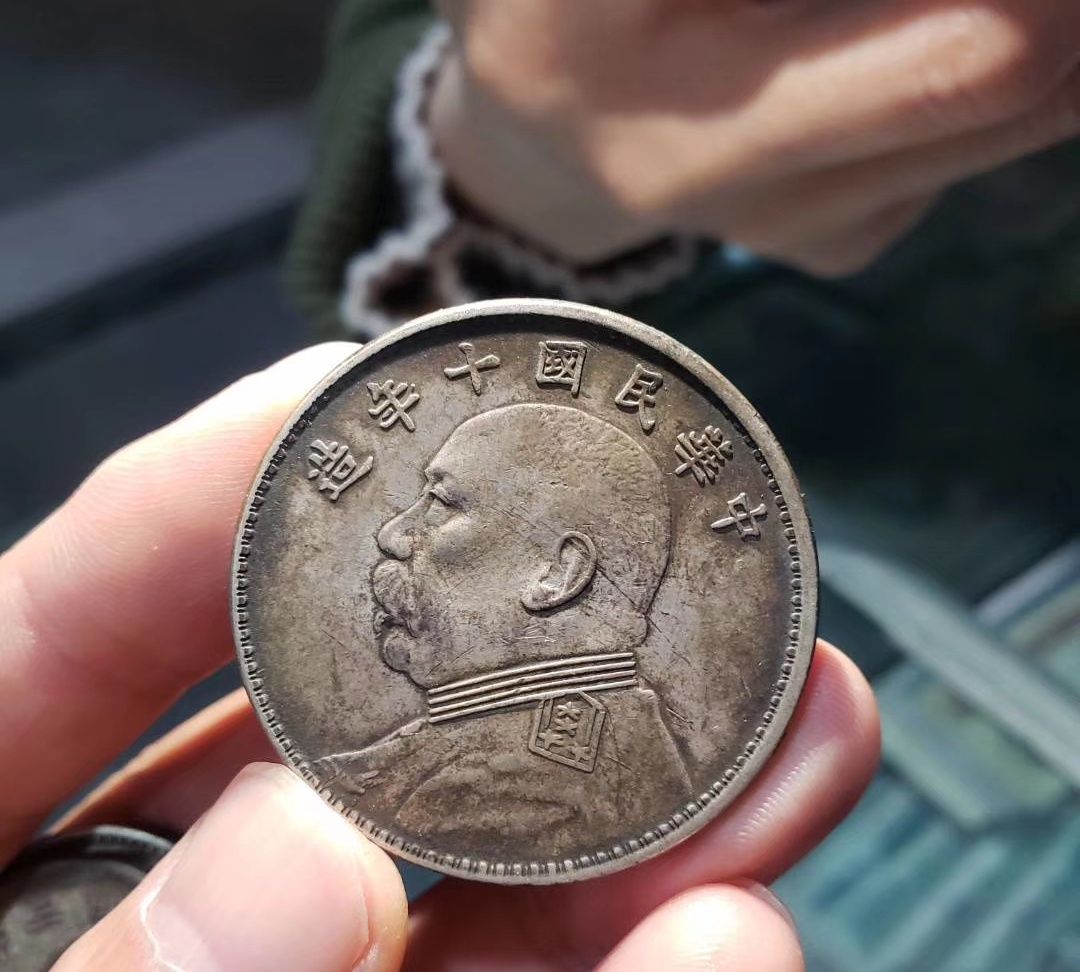
Audit what the silver coin record can prove
Begin with readings that another person can repeat: weight, diameter, instrument, unit and reading position. A number copied from a comparable coin belongs outside the measurement field.
Evidence ready for use
File uncropped obverse and reverse photographs, raking-light views and located damage details under the same coin number. These records can support a first comparison without changing the surface.
Questions that stay open
If a date, denomination, mint attribution or variety remains hidden or indistinct, name the obstruction and leave the field pending. A complete card is not more valuable than an honest one.
Build damage views from complete faces
Transcribe the visible date, denomination, legends and principal designs before interpreting weight or diameter. Every close-up must be locatable on one of the complete faces.
Under raking light, log patina hue, flattened high points, indistinct strike detail, fine wipe trails and any chemically altered colour. Preserve the untreated surface and original image file.
Give the complete faces, edge sequence, instrument displays, holder and papers one identifier. Record precisely where plastic prevents a view instead of opening the slab.
Keep unknown fields genuinely unknown
A countermark, paper sleeve or ownership account can be retained as context. None of them establishes the coin's lettering, metal surface, edge construction or variety.
Retain both faces with their full circumference, then add lettering, design, denticle, mintmark and rim details. This order keeps a loose close-up from migrating to another coin.
Date every external statement about manufacture, issue or history and identify its source. An online image or handwritten note remains a research lead until it agrees with the object.
Treat the slab as another document
Copy the holder number, printed attribution and grade exactly, then compare the enclosed coin's date, type and visible surface independently. A label discrepancy should remain visible in the record.
If plastic glare or a sealed rim hides evidence, vary the light and viewing angle without forcing the enclosure. Record the blind area beside the affected field and measurement.
Finish with a one-coin trace
When several silver coins share a broad type, number them before sorting by date, denomination or principal design. Each pair of faces, edge, weight and diameter stays with its own number.
Photography can locate obvious wear and damage, but composition, fine repair and holder-covered edge sections may still require a direct specialist examination.
Reconcile identity, measurements and surface evidence
Start the final pass by matching the date, denomination and designs to the same uncropped photographs used for the measurement card. Keep any unreadable element unresolved.
Check weight and diameter against the identified type only after preserving the raw display, instrument and unit. A converted value is an added line, never a replacement.
Keep direct observations separate from slab wording, old sleeve notes and family history. If two accounts disagree, preserve both with their dates and evidence limits.
Repeat any conflicting reading at the same position before choosing an explanation. A persistent conflict becomes a reason for examination, not permission to copy a standard figure.
Before handover, confirm that every close-up, reading, package and document returns to this silver coin. List the missing angle or inaccessible section plainly.