
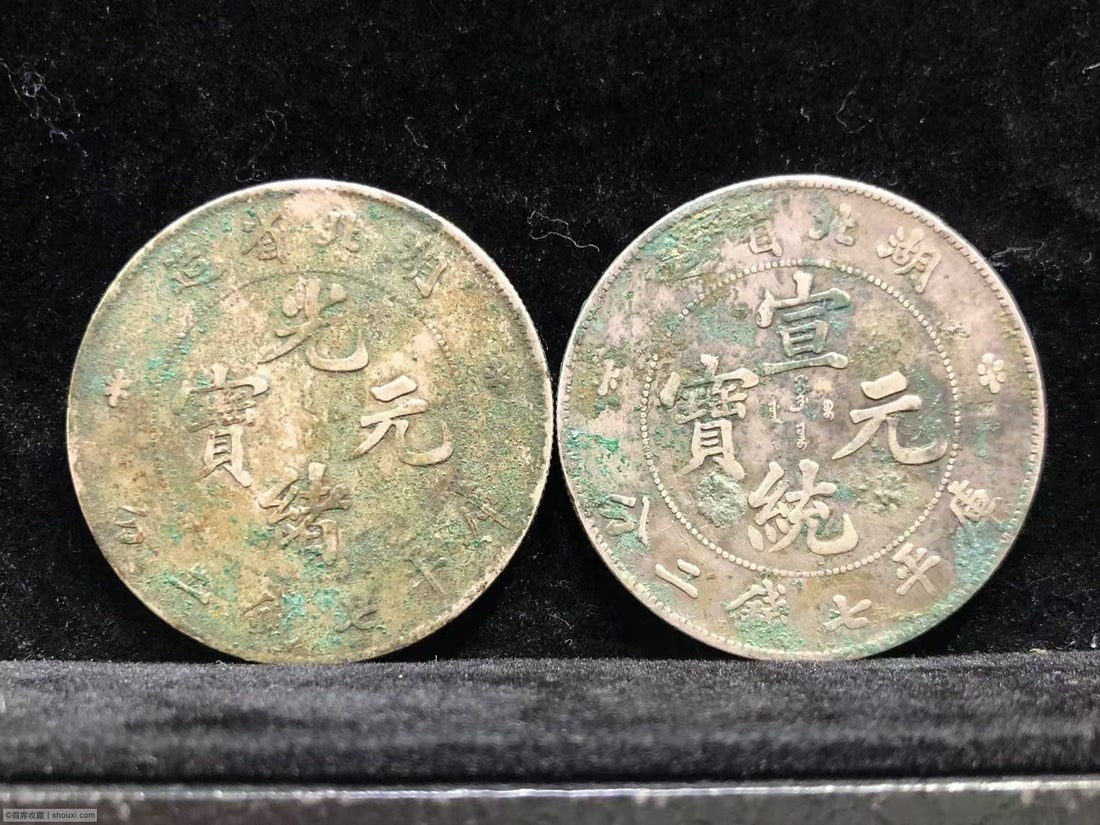
Identify the gaps before inspecting a silver coin
Start by asking which points the coin itself can support. Record a clearly visible circumference, denticles and edge, but never borrow an obscured feature from another coin of the same broad type.
Evidence that can be completed now
Give every coin its own number. Locate visible mintmarks, chop marks, holes and altered-edge areas, then connect those observations to the original photographs for that coin.
Evidence that must remain open
If a paper sleeve, grading holder or old label is unavailable or restricts the view, state the reason. Use a complete photograph to locate each detail and list a missing angle or document without changing the coin merely to complete the description.
Transcribe what is visible on the object first
Record the proposed name, legible inscriptions, principal designs, dimensions or weight, present enclosure and surface condition. Mark a feature that cannot be seen as pending direct review.
A grading holder contributes label and grade information only. Check whether the enclosed coin type, date, proposed variety and visible surface agree with it, and explain the possible effect before any contact inspection.
A market name cannot replace physical evidence
Keep chop marks, an old sleeve and provenance accounts as background. They do not replace the inscriptions, design, metal surface or edge of the coin in hand, and a similar coin cannot supply a missing feature.
Photograph both complete faces and the whole circumference before adding details of lettering, the central design, denticles, mintmarks and the edge. Explain in advance if closer inspection would require contact with the coin.
Identify the reference used for any issue, production or historical statement and note when it was consulted. When physical evidence is incomplete, an old label, oral account or online image remains a research lead rather than proof.
Use one number throughout the examination
Read the date, denomination, wording and principal designs across the obverse and reverse before interpreting dimensions against the supported coin type, and never substitute a published specification for a reading from the coin.
Note stable colour, worn high points, incomplete strike, hairlines from wiping and hues suggestive of chemical treatment as different observations. Preserve the surface before considering any closer test.
Complete views, details, measurements, packaging and documents all need the same item number. Use that chain to find omissions when new evidence is added.
Let the unresolved point determine the next step
For a group, sort coins by date, denomination and principal design, then preserve complete faces, edge sections, weight and diameter for each individual example.
Original photographs may support classification and conspicuous damage. Metal, minute repairs and areas hidden by packaging may still require direct examination, whose scope and effect should be stated beforehand.
What to examine on this silver coin
Do not force a complete answer from incomplete photographs. Record the circumference, denticles and edge that can be located; list missing evidence for patina, wear, knocks or cleaning traces instead of inferring it.
Keep paper sleeves, grading holders and old labels apart from the date, denomination, inscriptions and main designs read on the coin. Link both evidence groups by item number, retaining original readings when a conversion or later account is added.
If the wording in a document does not match the object, transcribe both with their dates. Leave the format, period or metal open for further examination rather than filling the gap from a comparable coin.
The purpose of the checklist is to let another person find this silver coin and repeat the inspection. A restriction caused by a holder, a missing source or an unclear view should remain explicit.
Begin with the whole coin, not an isolated enlargement
Photograph the obverse, reverse and entire circumference with a fixed upright direction. Then add the date, denomination, central design, denticles and local marks. Locate every detail by clock position or adjacent lettering; remove an untraceable close-up from the assessment until its coin and face are known.
Treat the edge and measurements as one evidence group
Cover the edge in overlapping sections and mark seams, knocks, holes, solder or suspected alteration. Save weight and diameter with the tool, original unit and measurement point, excluding any holder. If the readings conflict with the appearance, repeat them under the same conditions instead of inserting an online specification.
No single feature settles the conclusion
A weight, diameter, short edge section or single character is only one observation. Consider designs, inscriptions, the complete edge, measuring conditions, patina and later-treatment traces together. Explain the contact area before a closer test, and do not clean or file the coin.
For an enquiry, keep the silver coin in its present enclosure and surface state. Supply complete measurements, surface photographs and the documents already associated with it.
