
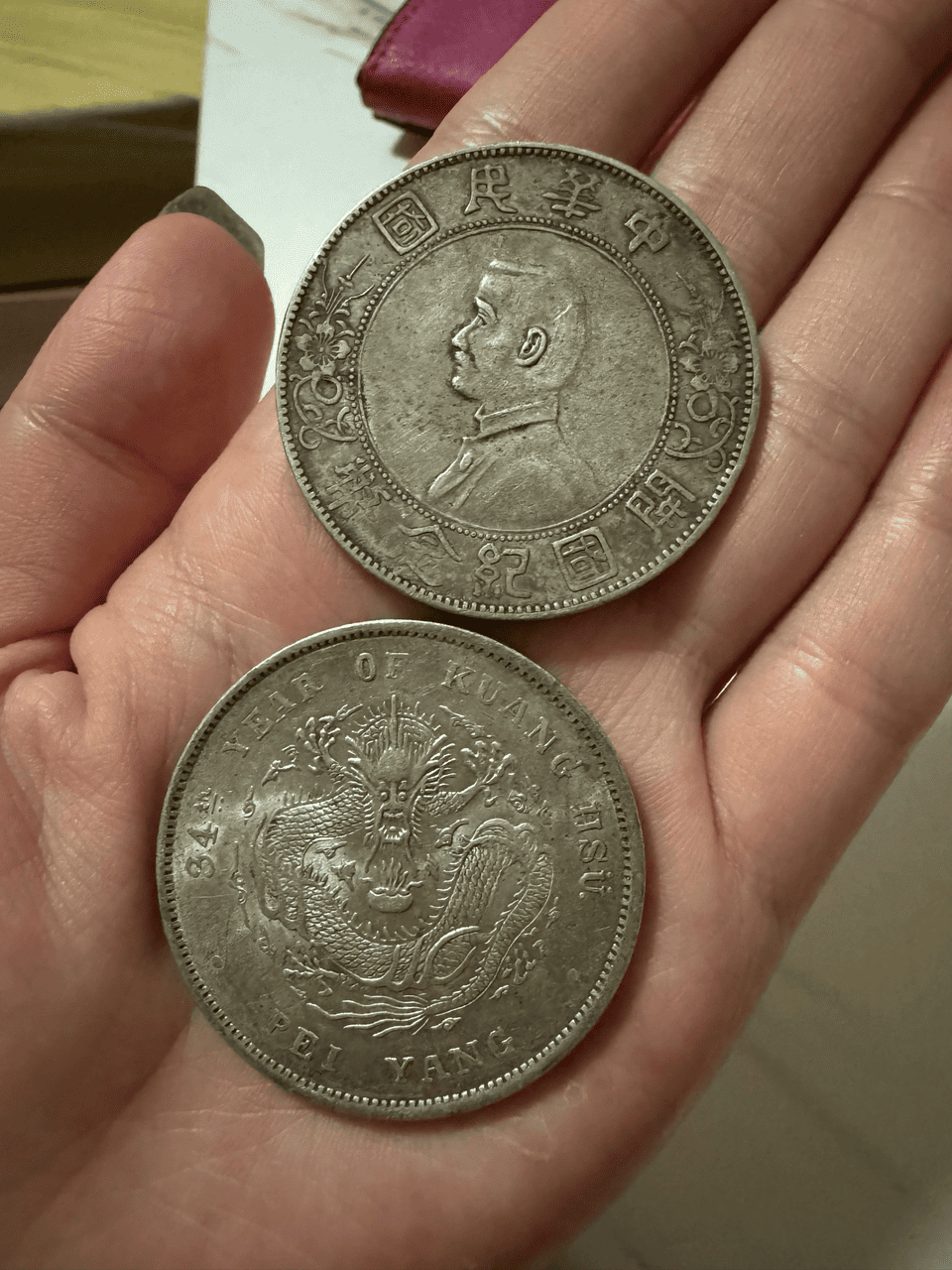
Set a repeatable order for the silver coin review
Enter complete faces, raking-light images and located damage details before classifying the date, denomination, legends and principal designs. Every file carries the same coin number.
Record weight, diameter, instrument, unit and reading position next. Preserve the raw display and keep any converted figure as an added note.
Date a later change in surface or packaging rather than silently replacing the earlier photograph. State why any field remains blank.
Ignore names, uses and prices from an inherited story when they cannot be tied to the object. This record concerns evidence that can be checked again.
Transcribe the coin before comparing its specifications
Copy the visible date, denomination, wording and main devices, then use measurements only after the coin type is supported. An uncertain character remains uncertain.
Retain full circumferences on both faces before adding text, design, denticle, mintmark, rim or damage close-ups. The orientation must be recoverable from the overall view.
Keep specification data in its proper role
When several silver coins are present, number and group them by visible date, denomination and design. Faces, edge, weight and diameter never move between numbers.
A grading holder supplies label wording and a score, not a substitute coin. Compare the enclosed type, date, variety and visible surface with the printed claim.
Photograph the full edge only after both faces
Capture the circumference in overlapping sections and retain joins, filing, holes, solder and former mounting traces. Do not polish an edge to make its pattern clearer.
Under raking illumination, locate surface hue, worn relief, softly formed detail, directional hairlines and suspected chemical change. Store the unfiltered original beside every added angle.
Preserve packages and provenance separately
Countermarks, sleeves and ownership accounts remain valuable context, but they cannot replace legends, designs, metal surface or edge evidence from this coin.
Coins sharing a broad name may differ by date, denomination or mintmark. Complete the object grouping before comparing condition or market material.
Resolve the remaining evidence gaps
The first pass asks whether complete, raking-light and damage views all return to one coin. The second asks whether the working identity is supported rather than copied from the slab.
Keep the original weight, diameter, tool and unit together, then locate countermarks, perforations and rim alteration. This sequence avoids modifying the surface merely to fill a field.
A box and certificate can support provenance, but record their numbers, seals and viewing limits apart from the metal. Reconcile them only through the item number.
Retain unfiltered photographs and add clearer directions separately. The earlier file remains useful when a later surface change or attribution must be explained.
Perform a final reverse-order check
Work backwards from documents and holder to measurements, edge, details and uncropped faces. Any close-up that cannot be relocated stays outside the condition statement.
A concise handover note should state the missing face, angle, edge section, tool or unit. It should never borrow evidence from a similar coin.
