
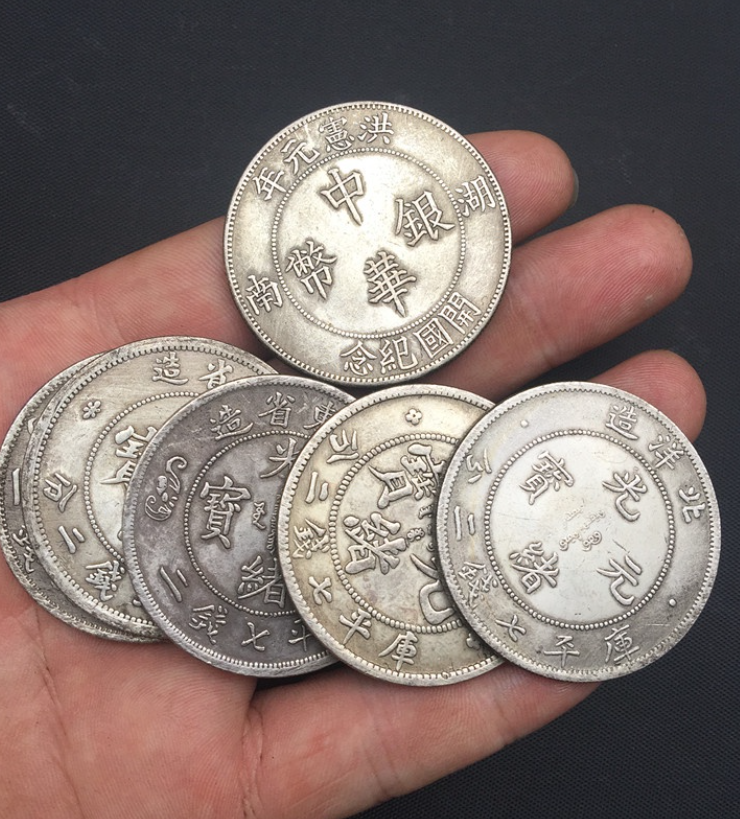
Find the missing evidence before comparing a silver dollar
Begin with what the piece can support: uncropped faces, an original weight and diameter, the measuring tools and their native units. A blank reading is safer than a figure borrowed from another coin.
Evidence available now
Put the complete and raking-light images with any located damage views under one identifier. The first pass should establish orientation, visible wording and present condition.
Questions to keep open
If a holder blocks the edge or the proposed type remains uncertain, name the missing angle. Do not open, scrape or clean the piece simply to finish the comparison.
Start with dimensions and visible inscriptions
Note the working coin name, readable legends, main design, dimensions, enclosure and surface condition. Anything indistinct should be revisited on the actual piece.
A slab label can guide a check, but its attribution and grade do not prove the enclosed year, variety or surface. Record precisely which view the plastic prevents.
Describe the limits created by packaging
Read the date, denomination and principal design from both faces before interpreting weight and diameter. Keep the untouched reading alongside its tool, unit and measuring position.
Distinguish toning from wear, weak strike, wiping lines and chemical brightness. If the enclosure changes the light, say so rather than inferring the hidden surface.
Complete views, details, measurements and packaging all belong to the same coin. Check the identifier again whenever a new image or note is added.
Protect the coin while gathering useful measurements
With several silver dollars, separate them by visible year, denomination and design. Each pair of faces, full edge, weight and diameter must remain together.
Images can locate obvious damage, although composition, fine repair and concealed edge work may still need direct examination. Explain why contact is necessary before removing any enclosure.
Treat background accounts as research leads
Preserve old sleeves, applied marks and family descriptions as context. They cannot stand in for readable legends, metal surface or the circumference of this coin.
Photograph both complete faces with the whole rim, then add close views of inscriptions, design details and any mint or edge feature. An isolated enlargement is useful only when its position is clear.
Date the reference used for any issue or production claim. Online photographs and earlier attributions help frame a question, not settle it.
Turn the enquiry into a repeatable examination
Place weight, diameter, tool and original unit beside the same identifier as the faces and edge. Note a covered or unsafe area instead of manufacturing a complete result.
Before consulting earlier notes, confirm the coin number and retrieve the original photographs. Add a dated observation when orientation, measuring position or proposed name changes.
Never overwrite a conflicting reading. Repeat the measurement at the same point and retain both values with an explanation if the difference persists.
Reject any detail image that cannot be located on a complete face or edge sequence. This small check prevents two similar silver dollars from being combined.
If the coin remains in an album, slab or sealed holder, photograph everything safely visible and describe the restriction. Direct examination can then be planned without accidental damage.
