
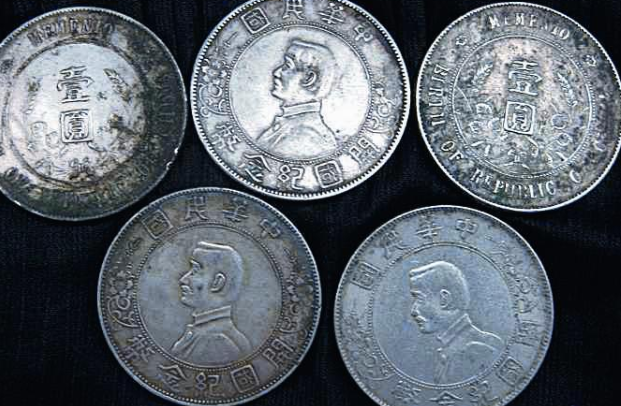
Move from the paperwork back to the Sun Xiaotou coin
Record the complete edge, weight, diameter, instrument and native unit first. Keep visible coin evidence apart from packaging, attachments and written or oral accounts, preserving both versions when they conflict.
Under one identifier, assemble uncropped faces, raking-light views and located damage details. Match any holder or certificate to that coin so a second examination can follow the same orientation.
Check the date inscription, denomination, portrait side and commemorative wording as identification evidence. Date any observed storage change, retain only what can be seen, and stop a handling step that cannot be repeated safely.
What belongs on the first coin card
Enter a working name, legible inscriptions, main designs, dimensions or weight, present enclosure and visible condition. Mark every obscured field for later inspection.
Countermarks, an old paper sleeve and provenance notes may be retained as context, but they cannot replace the portrait lettering, commemorative legends, grain wreath, metal surface or rim.
Connect whole views, details and measurements
Photograph both faces with the entire circumference visible before adding close-ups of the portrait, commemorative text, star positions, grain wreath, denticles and beaded border.
When several Sun Yat-sen portrait coins are present, group them by the designs on both faces and visible star positions. Give each coin its own link between full images, edge, weight and diameter.
Use the identifier on overviews, positioned close-ups, measurements, packaging and documents. Later evidence can then be added without attaching it to the wrong coin.
Keep background information in a separate section
Names such as upper six stars or lower five stars must return to the complete face and the actual star positions. A single enlargement is not enough for variety attribution.
Cover the circumference with overlapping edge photographs while the coin remains in its enclosure. Preserve joins, altered rims, holes, solder and former-mount traces without polishing.
Issue, manufacturing or historical statements need a named reference and access date. Treat old labels, family recollections and online images as research leads only.
Preserve the coin before refining the description
A grading holder supplies label wording and a stated grade; the enclosed variety, portrait, commemorative text, grain wreath and surface still require comparison.
Images can assist sorting and locate conspicuous damage, while composition, delicate repairs and areas hidden by packaging may still require direct examination.
A focused Sun Xiaotou measurement check
For this coin, keep the complete edge, weight, diameter, measuring tool and unit together, then map visible countermarks, holes or rim work separately. Grain-wreath details, stars and denomination characters stay under the same number.
On the next pass, transcribe the date, denomination, portrait and commemorative legends before attempting finer star or wreath classification. This order prevents a missing field from becoming a reason to alter the surface.
Original boxes and attachments can support provenance but do not stand in for the coin. Note their own identifiers, seal condition and any view they obstruct.
Retain the first unfiltered photographs and add a new image where a detail remains unclear. If the date or wording cannot be located on the coin, leave that point unresolved.
An old label or oral description may accompany an enquiry, but it should remain separate from the complete views and measurements when the two accounts differ.
