
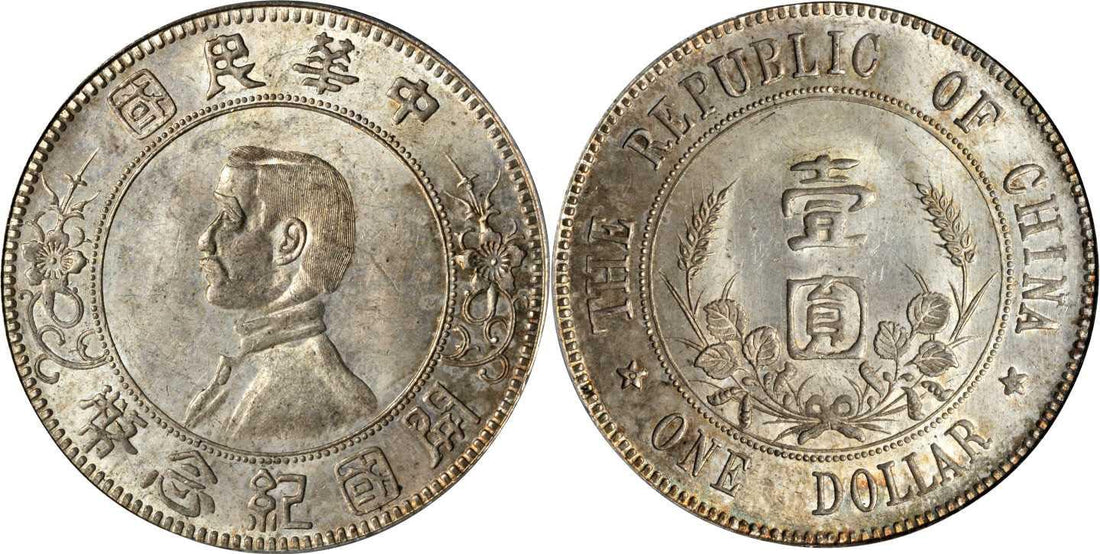
Write down what the Sun Xiaotou holder actually shows
Do not name the enclosed coin from an old label or a similar web image. Photograph the sleeve, grading holder and old label first, retaining the direction and item number of each view.
Then locate the grain wreath, star positions, denomination characters and proposed variety markers on the coin itself. Keep every required image, measurement and attachment with the same identifier.
Details that still need confirmation
If patina, wear, knocks or cleaning traces are incomplete, first verify that holder and coin share the same number. Mark illegible wording, unsupported statements and sealed areas separately.
Transcribe the enclosed coin before interpreting the label
Note the working name, visible inscriptions, design, dimensions or weight, present enclosure and condition of the Sun Xiaotou coin. Anything obscured stays open for review.
Read the surface in stages: note its tone, ordinary rub, incompletely struck detail, wiping hairlines and any colour associated with cleaning. Do not clean a dark coin; finish by checking for missing views.
Market names cannot replace star positions
For several Sun Yat-sen portrait coins, group by the designs on both faces and visible star positions, then number each coin so its full views, edge, weight and diameter remain together.
Names such as upper six stars or lower five stars must return to a complete face and located star positions. One enlargement cannot stand in for a variety comparison.
Attach an identifiable publication or issuing source and its access date to any claim about issue, manufacture or history. Old labels, oral accounts and web pictures remain research leads only.
Use one identifier for holder and coin
Chop marks, an old paper sleeve and provenance accounts may add context, but they cannot replace examination of portrait lettering, commemorative legends, grain wreath, metal surface and edge.
Preserve uncropped views of both faces and the full circumference. Add located close-ups of the portrait, commemorative wording, star positions, grain wreath, denticles and beaded border.
Apply one number to overall views, details, measurements, packaging and documents so later additions cannot move to another coin.
Let the missing view determine the next check
Cover the circumference with overlapping edge views. Do not disturb a join, reshaped edge, pierced section, solder spot or mounting trace, and explain any proposed contact first.
Original images can support sorting and identify obvious damage. Metal, subtle repair and areas concealed by the holder may still require direct inspection.
Bring the holder label back to visible coin evidence
Compare the star positions and edge with the coin itself. Keep the sleeve, grading holder and old label separate from the portrait, commemorative legends, denticles and beaded border; anything hidden by packaging remains unresolved.
Retrieve the first images of patina, wear, knocks and cleaning traces under the same identifier as the complete and raking-light views. Date later information without overwriting the earlier version.
Preserve both versions if image direction, measurement position or proposed name changes. Explain why a further comparison was needed and keep it with the same coin.
Check that every close-up can be located on the numbered coin. An unplaced detail should not support the summary; finish by matching the sleeve, holder and old label once more.
Before an enquiry, include only the wear and edge observations supported by photographs and measurements. Leave speculation out of the proposed attribution.
