
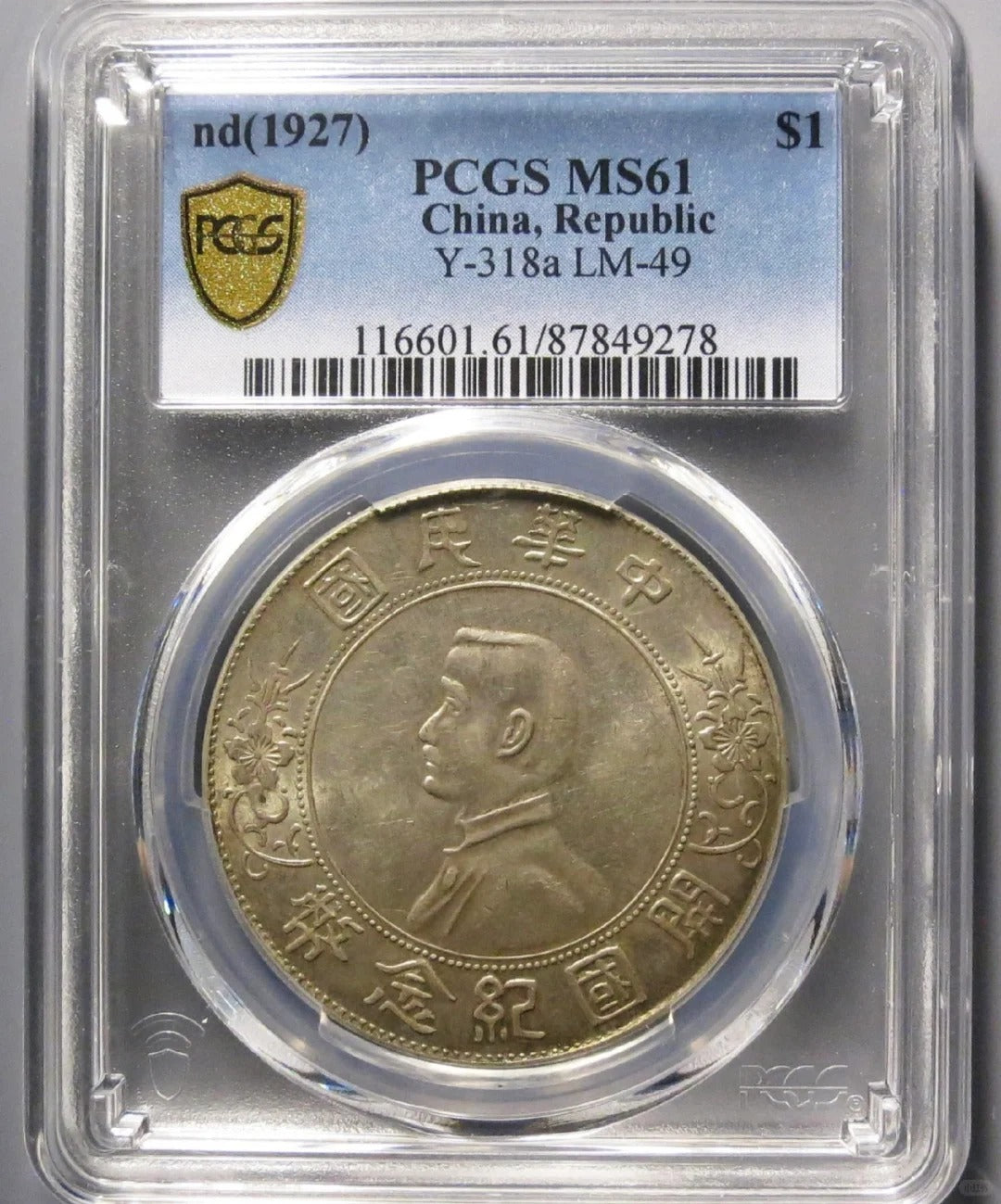
Locate the six-pointed stars before naming the variety
Photograph the portrait side and the complete commemorative side carrying the wreath and stars. Then map each six-pointed star in relation to the legends, bead circle and denticles.
Keep portrait lettering, commemorative text, wreath, denticles, edge, weight and diameter under one coin number. Do not transfer the star description to another denomination or product.
Compare strike, surface and edge evidence as well as the stars. Any test that alters the metal or relies on one physical reaction cannot replace a multi-feature examination.
Start with dimensions and visible wording
Record the working name, legible legends, designs, raw measurements, holder and surface condition. Mark any character or star position obscured by packaging.
Descriptions such as upper six stars or lower five stars must return to their positions on a complete face. A detached enlargement is not a variety record.
Describe packaging limits beside the affected evidence
Photograph the edge in overlapping sections and leave joins, filing, holes, solder or former mounting marks untouched. State which section a holder conceals.
Copy a grading label and its score as source data, then check the enclosed portrait, commemorative legends, wreath, stars and visible surface on their own terms.
Use the coin number for complete views, star details, readings, package and papers. Explain the likely impact before any contact examination is proposed.
Avoid changing the surface during storage
Retain countermarks, old sleeves and provenance accounts separately. They cannot stand in for portrait lettering, commemorative text, the wreath, metal surface or edge.
Photographs can locate visible stars and damage, while alloy, fine repair and areas behind plastic may still require direct specialist examination.
Keep historical context in its own layer
Transcribe the commemorative text, date, denomination and visible content on both faces. Only then interpret weight and diameter against the identified coin type.
Map surface hue, loss on high points, incomplete strike, directional hairlines and suspected chemical colour independently. None of them defines a star variety or calls for cleaning.
For issue or production history, identify the reference and write the date consulted. An old label, oral account or online image remains an attributed research note.
Make the six-pointed stars answer to the complete commemorative side
Locate each six-pointed star against the neighbouring commemorative wording, wreath, denomination characters and denticles on the uncropped face. Preserve orientation so an upper star cannot be confused with a rotated detail.
Lay out the complete edge beside raw weight, diameter, instrument and unit. Countermarks, holes and rim work belong to the condition map, even where they obscure a star-related attribution clue.
Name damage by clock position and adjacent legend, then show it again under raking light. A general note of wear cannot explain whether a point, denticle or letter was ever visible.
Match the original holder and documents to the coin number, but keep their wording outside the observed-design fields. Record any conflict with the date or commemorative side as an open issue.
State which six-pointed stars, circumference arcs and measurements are actually visible. No concealed position should be reconstructed from another Sun Yat-sen dollar.
