
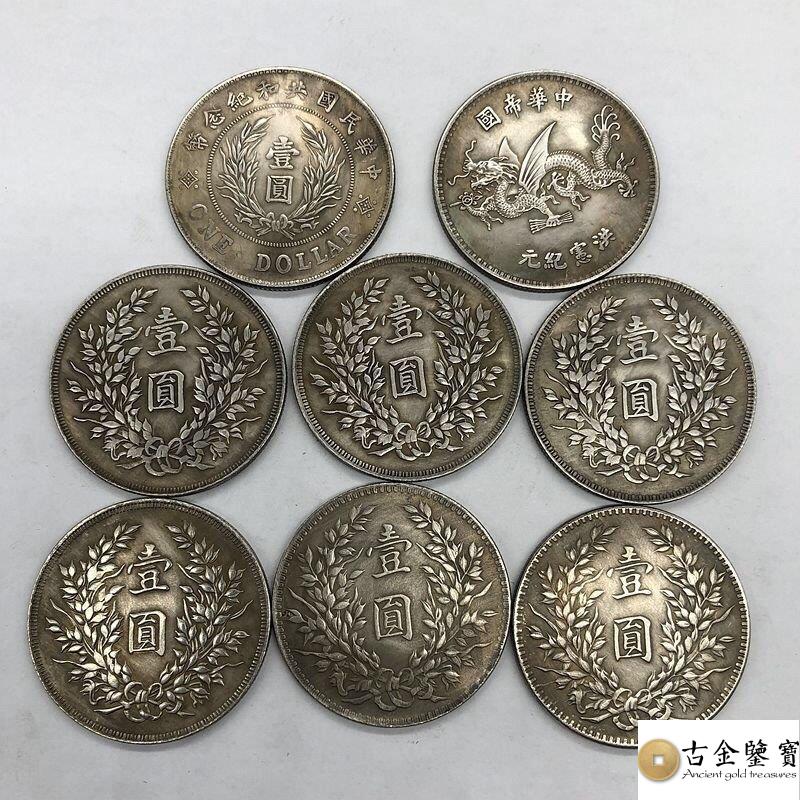
Identify the gaps before studying a Yuan Shikai dollar
Record only what this coin supports: both complete faces, the uninterrupted edge, weight, diameter, measuring tools and native units. A missing figure is preferable to one copied from a similar dollar.
Evidence that can be secured now
Photograph the full coin under neutral and raking light, then locate every contact mark or damaged area. Keep the image direction and coin identifier unchanged.
Details that should remain open
Where the year, denomination, portrait lettering or grain-wreath wording is obscured, name the limitation. Do not clean the surface or force a holder open to complete an attribution.
Move from whole views to the damaged area
Transcribe the year, denomination, Yuan portrait side and grain-wreath side before comparing dimensions. Weight and diameter only help when the coin type has first been established.
Describe patina, circulation rub, softly struck detail, wiping lines and chemically bright areas separately. A dark coin does not need polishing for an appraisal.
Keep overall images, close views, measurements, packaging and papers under the same identifier. That prevents a detail from another Yuan portrait dollar entering the assessment.
Leave an uncertain field visibly uncertain
Preserve old sleeves, applied marks and family descriptions as supporting context. None can replace inspection of portrait lettering, the grain wreath, strike, metal surface and edge.
Take uncropped photographs with the entire rim before details of hair, epaulette, year characters, wreath, inner border or proposed variety markers.
Cite the identifiable reference and consultation date behind any issue or production statement. Collector notes and online photographs are research leads rather than findings.
One numbered coin per comparison
Begin with a working name, visible inscriptions, principal designs, dimensions, enclosure and present condition. Anything hidden stays open for a later look.
A grading holder contributes its printed attribution and grade, while the enclosed year, proposed variety, portrait, wreath and surface still need independent checking.
Review the set before seeking finer attribution
Number several Yuan Shikai dollars before arranging visible years and tentative varieties. Their faces, edges, weights and diameters must remain with their own identifiers.
Photographs can show obvious wear or damage, but metal, subtle repair and holder-covered areas may require examination in hand. Explain what that examination would answer.
A practical first collection sequence
Start with complete portrait and grain-wreath photographs, then add the year, denomination and a full circumference in overlapping sections. Leave the existing surface untouched.
Attach weight, diameter, tool and unit to the coin number. Map every countermark, hole, rim change or former mounting trace on a full view before enlarging it.
If an old label conflicts with the coin, transcribe both wordings and dates. Recheck the full faces instead of quietly choosing the more convenient attribution.
Retain earlier images when lighting, orientation or a measurement is repeated. The difference can explain whether a surface impression came from photography rather than the coin.
Before consultation, verify that each close-up can be found on the same complete coin. A clean evidence set is more valuable to a beginner than a premature variety name.
