
Collectible appraisal
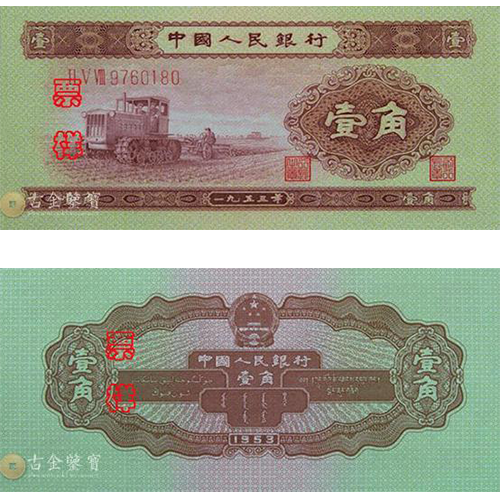
1953 Second Series Renminbi 1 Jiao
Start with photos so we can assess type, condition and market direction. Higher-value or uncertain items can then be checked in person.
WhatsApp photos for appraisal Front, back and edge photos are usually reviewed firstFree photo review Phone 852 98342057


Collectible appraisal
1953 Second Series Renminbi 1 Jiao
Start with photos so we can assess type, condition and market direction. Higher-value or uncertain items can then be checked in person.
1953 Second Series Renminbi 1 Jiao
Photograph the front, back, side or edge, plus any close-up details. Include dimensions, the measured weight, certificates or original packaging where relevant.
A useful first view of the 1953 Second Series Renminbi 1 Jiao note keeps the date, denomination, border and reverse together. No main design is stated, so the photographs should establish the broad identity before any finer attribution is considered. Prefix, serial and paper features must remain conditional on what is visible.
Item details and appraisal notes
A useful first view of the 1953 Second Series Renminbi 1 Jiao note keeps the date, denomination, border and reverse together. No main design is stated, so the photographs should establish the broad identity before any finer attribution is considered. Prefix, serial and paper features must remain conditional on what is visible.
1 Jiao in 1953: establish the printed value before the details
| Identity element | Current support |
|---|---|
| Series | Second Series Renminbi |
| Year shown | 1953 |
| Denomination | 1 Jiao |
| Design name | Unstated; compare the full printed composition and issue information before using a narrower name. |
| Attribution limit | The 1 Jiao value and 1953 date do not establish a watermark, prefix pattern or printing variety. Those points need direct evidence from this banknote. |
Build a clear image sequence for the 1 Jiao note
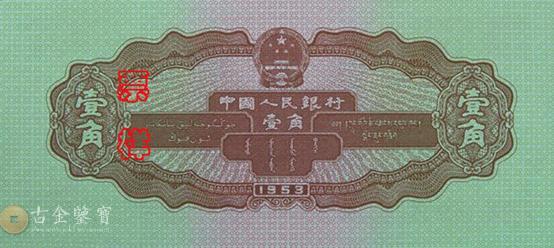
Front and reverse: Photograph both sides under the same neutral light, with every corner and edge inside the frame. Keep the 1 Jiao value beside the date and surrounding inscriptions before enlarging any small area.
Edges, number line and scale: Make separate views of the cut edges and any prefix or serial that survives. Include surrounding print for orientation and use a simple scale without pressing the paper or forcing a curled edge flat.
Condition map: Place creases, tears, pinholes, foxing, water staining, old adhesive, backing and repairs on the correct face. Photograph each affected side in full before adding a close detail, and keep colour adjustment switched off.
Preserve the evidence after the camera is put away
Keep the note dry, shaded and supported inside an inert sleeve. Avoid cleaning, bleaching, ironing, tape and pressure. Photograph a surviving envelope, album leaf, certificate or holder on its own, then once beside the banknote for context.
What each image should answer
| Area | Evidence needed |
|---|---|
| Printed identity | A complete front connects the 1953 date and 1 Jiao denomination; the matching reverse and full border confirm that the images belong together. |
| Paper condition | Neutral and raking light show surface tone, folds and repairs. Transmitted light is added only when a watermark, thin area or repair is genuinely visible. |
| Uncertain detail | A faint character receives one natural-colour close view and a second light direction. If it still cannot be read, the description remains open. |
Two nearby denominations for separate comparison
Continue with reliable background
The Second Series Renminbi sets the wider denomination context, while the Older Renminbi: First, Second and Third Series Layouts and Inspection explains how to separate printed identity, paper evidence and condition without transferring details between notes.
Send both complete faces and the condition map through the About Gu Jin Jian Bao | Collection Enquiries; provide one uncertain detail on WhatsApp at +852 9834 2057, or speak with us at +852 9834 2057. State how many notes are present and whether any original enclosure remains with this example.

Questions before an appraisal
What should you check before selling?
What matters depends on the item. Photograph both sides, the edge, hallmarks or base marks, and any damage. Include the original box, certificate or weight information where relevant so we can decide whether an in-person inspection is needed.
