
 WhatsApp item photos
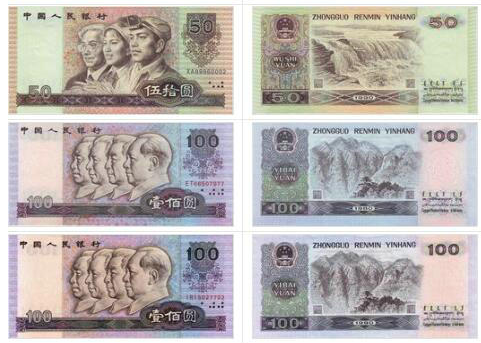
One older Renminbi note, one image sequence
Before opening any enclosure, photograph its seal and all four edges. Give the note an identifier and use it for every later full view, close-up, measurement and attachment.
- Identification: series, denomination, visible year wording and principal design
- Measurements: dimensions, measuring tool and original unit
- Backlighting: visible paper structure and any watermark still to be confirmed
Choose support and turning methods appropriate to the paper. Never complete uncertain wording from a similar note, and state any restriction imposed by the packaging.
Reference issue information
Do not separate an original consecutively numbered bundle merely for photographs. First capture the seal, first and last serials, side view and stated note count, then decide whether individual inspection is necessary.
An old sleeve, album leaf or earlier annotation may be photographed with the note. Keep new writing, stamps and adhesive labels away from the paper, and leave hidden areas open.
State where any issue, printing or historical information came from and when that reference was checked. Old labels, oral accounts and online images are leads rather than conclusions.
Separate the series before arranging details
Note the working name, legible wording, design, dimensions, enclosure and visible condition of each older Renminbi note. Anything indistinct stays open for comparison.
Moisture damage and pressing should be distinguished from repaired holes, cut edges, added colour or substituted corners. Raking light may reveal paper relief more clearly than strong frontal light.
Preserve the first readings and units
Interpret a special prefix or serial within the correct series. A striking number cannot replace examination of paper, ink, corners, edges and repairs.
Sort notes by series, denomination and design. Keep the front, back, four corners, serial, dimensions and evenly backlit view with the same physical note.
Apply one identifier to full views, details, measurements, enclosure and documents so later additions cannot be attached to another note. Retain every original unit.
Make later inspection traceable
Use an even backlight without filters. A source placed too close or a blown highlight can hide fibres and the outline that needs to be assessed.
Images can support broad classification and locate conspicuous damage. Paper, subtle repair and areas concealed by packaging may still need direct inspection.
Why First, Second and Third Series Records Stay Separate
Begin with complete faces, dimensions and backlit evidence. Then locate the prefix, full serial and printing positions before noting folds, tears, stains and mould; a name unsupported by the photographs stays open.
Next note safely visible signs of patching, recolouring, flattening or replaced corners, followed by the complete front, back, corners and edges. State any viewing limit instead of disturbing the paper.
Keep visible observations apart from old labels, certificates and recollections. If the two accounts disagree, preserve both without using one to rewrite the other.
Before handover, confirm the note count, attachments, enclosure and unresolved areas. Explain any proposed inspection step only after the paper can be seen safely.
Finish by matching the date, unit and image direction across complete and backlit views. Preserve both versions where earlier and later observations differ.