
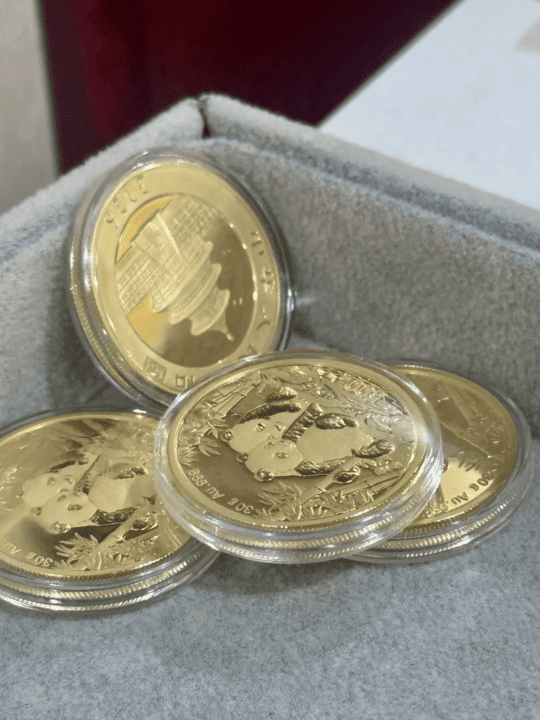
Use a temporary description that does not pretend to know more
Name the object by visible form, colour, apparent material and size, such as ‘round metal object with portrait’ or ‘glazed vessel with blue decoration’. Avoid assigning a date, maker or material that has not been supported.
What to capture before research begins
Give the object one number and photograph every accessible side with a scale. Include inscriptions, marks, joins, edges, base, reverse or interior only where viewing them is safe.
Record its container, label and position in the original group. A handwritten name can be transcribed as background without being adopted as the confirmed identification.
List hidden areas and handling restrictions immediately. The reason an underside, mount or sealed packet remains unseen is part of the evidence.
Let material risk guide the next step
Do not perform a scratch, acid, magnet, heat or cleaning test simply to settle the material. Note weight and dimensions with the instrument and unit, then choose non-invasive review first.
Support brittle paper, separate reactive metal, leave stamp gum untouched, keep jewellery settings intact and hold ceramics by the body and base. When the material itself is uncertain, choose the least intrusive method.
Keep observation, proposal and source in separate sections
Direct observations describe what the object shows. A proposed name records a possibility, while labels, family accounts and published images remain research sources.
Do not allow the proposed section to fill gaps in the observation section. If a mark is illegible or a surface concealed, preserve that uncertainty.
Build a research trail that can be checked
For every catalogue, website, archive or specialist note, record the source and consultation date. State which visible feature it helps compare rather than copying its conclusion wholesale.
Photograph comparison objects under their own references. Similar colour, shape or ornament does not prove shared material, period or maker.
Know when direct examination is justified
Photographs can establish form, visible marks and conspicuous damage. Construction, material, subtle repair and concealed surfaces may require the object in hand.
Define the question before opening packaging or moving a mount. Preserve seals, labels and original order when the benefit of access does not outweigh the risk.
Use the unresolved material or function to choose a non-invasive check
Start with the open question—material, period, maker, function or a hidden area—then check that the view or measurement intended to answer it carries the item number. Replace vague phrases with positions another reviewer can find.
Keep the first temporary name when a later attribution is added. Date the change and explain which direct observation or cited source supports it.
List unresolved material, period, maker, function and hidden areas separately. Some may remain open after a useful review, and that is acceptable.
Do not clean, repair, dismantle or restore the object to make it resemble a comparison. Preservation of the received state matters more than a neat presentation.
At handover, include the original container and any detached part under the same number. Keep private ownership information only where consent and the agreed purpose require it.
