
Group by material before refining a name
A mixed collection can contain coins, gold objects, paper items, stamps and porcelain with very different handling limits. Create provisional groups without forcing uncertain material into a final category.
Identification: give each object a number, working name, visible inscriptions or motifs, known dimensions and unresolved questions.
Photography: capture complete views, orientation, underside or reverse and located damage before relying on a close-up.
Packaging: match boxes, sleeves, albums, stands, certificates and old labels to the corresponding item number.
Coins Need Clean Support, Not Cleaning
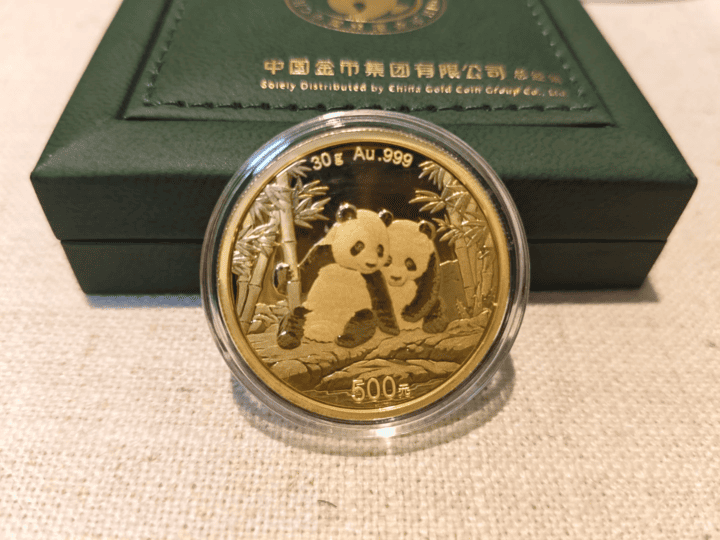
Give every coin an inert sleeve and its own identifier, preserving patina, wear and rim evidence without polishing, scraping or filing.
Photograph both complete faces and the ordered circumference, then attach weight, diameter, instrument and native unit to that coin number.
Gold Objects Need Component Records
Locate hallmarks and photograph clasps, settings, solder joints, hollow sections and non-gold fittings before any part is moved.
Record gross weight and every included component separately; avoid cutting, force, acid or heat when construction remains uncertain.
Paper Items Remain Flat and Ordered
Keep paper flat and preserve album, bundle or serial order, isolating suspected mould without pressing or separating the sheets.
Capture complete sides and corners, then locate folds, tears, stains and repairs under even or raking light with the original order recorded.
Stamps Retain Gum and Album Context
Record complete fronts and backs, each perforated side, gum condition, selvage and the stamp's exact album position.
Keep joined stamps and mounts as found; do not soak, steam or detach material merely to create a cleaner outline.
Support Porcelain at Base and Body
Lift a ceramic piece beneath its base and body, never by the rim, handle, finial or an old stand that may not be secure.
Photograph profile, mouth, interior, base, foot ring and marks, then locate glaze wear, chips, cracks and old repairs without removing mounts.
Keep glaze wear, chips, cracks, firing features and old repairs distinct. Do not remove mounts or labels before their relationship has been photographed.
Use one identifier across overviews, details, measurements, packaging and documents while retaining material-specific fields and handling notes.
Why Mixed Materials Still Need One Numbering Logic
A batch photograph shows the layout and count at one time. It does not replace individual evidence or permit a measurement to be borrowed from a similar object.
Unknown material is a valid status
When composition, date or object name is uncertain, record what can be seen and the test or view still needed. Avoid destructive testing simply to complete an inventory field.
Keep Context Separate
Date oral accounts, old labels and web comparisons, and keep them apart from the physical object's visible features and measurements.
Run a Material-by-Material Review
Reconcile loose parts and documents, then list material-specific risks before moving the group. Nothing fragile should bear weight from another category.
Before handover, count every object, empty container and attachment by group and preserve an acknowledged copy of the inventory.
