
Identify the gaps in the collection before sorting it
Begin with details the objects support. Retain an uncertain name, period or material as an open observation and do not borrow a conclusion from another item.
Evidence that can be secured in the first pass
Leave an unsafe area blank, separate metal, paper, stamps and porcelain under classification, and connect every group and object to its original number.
Evidence that needs to remain available
If packaging, documents, old labels or provenance accounts are incomplete or inaccessible, explain why and retain their wording for later checking. Do not alter an object merely to complete the list.
A case name may locate a group but cannot prove provenance or a transaction; only the physical collection evidence is used here.
Move from a group view to one object
Give each object its own identifier and use it on overall form, front, back, edge or base and measurement images. Retain first readings and native units.
Support mixed material groups separately. Metal, paper, stamps and porcelain each keep their own handling limits without changing condition for photography.
Adjust storage to the material
Keep boxes, sleeves, certificates, receipts and old labels together, matching each document to an object number while retaining original measurements.
A provenance story can remain in background notes; visible features, unresolved points and documentary wording occupy separate sections, with packaging limits stated.
Use different boxes for metal, paper and porcelain
Divide a mixed household holding into metal, paper, stamps, porcelain and other materials before applying comparison criteria. Preserve first figures and units.
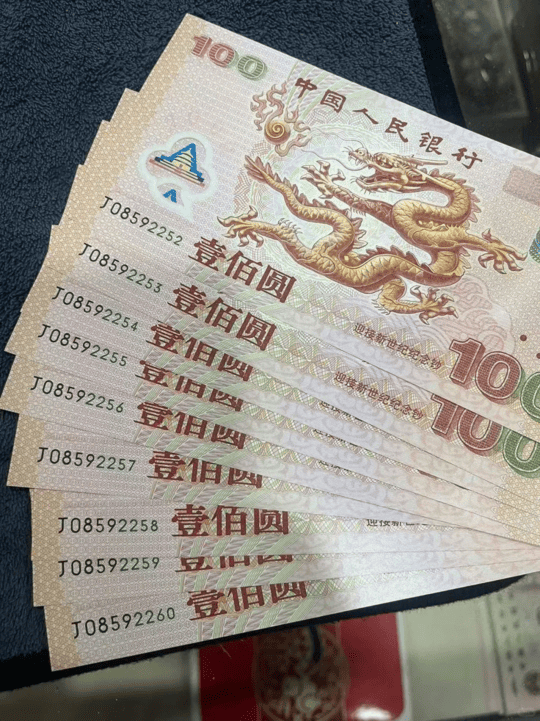
A batch photograph establishes quantity only. Every object still needs a name, dimensions, weight where relevant, enclosure and located damage.
Let the checklist choose the next view
Images can show wording, design and evident damage, but material, hidden cracks, paper structure and slight repair may still call for physical examination.
Mark an uncertain name or period as outstanding instead of filling a form with inference. Record any obstruction caused by packaging.
How Millennium Dragon Banknote Evidence Fits a Mixed Collection
Begin with unresolved name, period and material, then add material, count and current name under the same identifier. Supports for fragile, damp or adhered objects remain item-specific.
After the first pass, reconnect packaging, documents, labels and provenance with the correct support. Date conversions, recollections and later additions independently.
Photographs can establish visible text, motifs, proportion and conspicuous damage without necessarily confirming material, concealed cracks or delicate intervention.
Keep metal, paper, stamps and porcelain apart and apply the handling restrictions appropriate to each. Do not reduce the whole group to one preservation action.
Before reviewing related examples, number every object so material-group notes cannot become mixed with boxes, sleeves or attachments.
