
Resolve uncertain names, dates and materials before cataloguing
A close-up is useful only if its position can be found on the overall photograph. Give each object a number, then list any unconfirmed name, period or material as provisional before adding classification details.
Choose the order of evidence
Keep packaging, documents, old labels and provenance accounts together as supporting material. Describe visible material, count and current name separately, so neither side becomes proof for the other.
Record the measuring tool and unit before the reading. Leave a detail open if evidence is missing, and state when packaging cannot be opened safely.
A person, place or sale story may provide context but does not establish identity. Concentrate on photographs, measurements, condition and handling limits.
A group photograph establishes quantity only
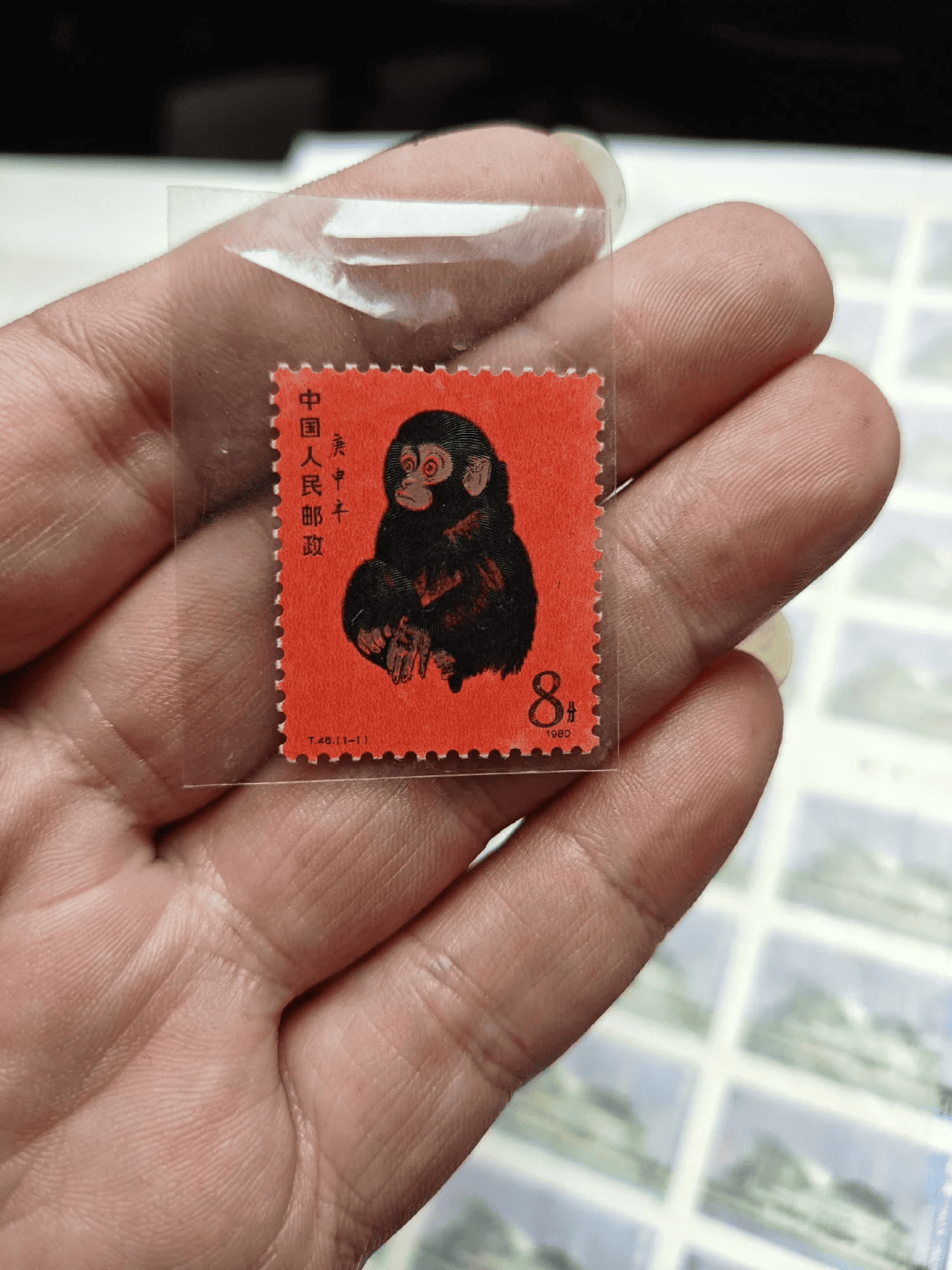
With a mixed household collection, separate metal objects, paper items, stamps, porcelain and other materials. Keep every image under its object's number instead of sharing a conclusion across categories.
An overall batch image shows the quantity. Each object still needs its current name, dimensions, weight where relevant, packaging and the position of visible damage.
Keep provenance apart from visible evidence
Leave original boxes, sleeves, certificates, receipts and old labels as found. Match every document to the numbered object rather than removing packaging for a clearer photograph.
A family account can sit alongside the notes, but observed features, unresolved points and document wording need distinct sections. Anything illegible remains pending.
Give different objects different evidence sets
Assign a unique number to every object. Overall form, front, back, edge, base and raw measurement images must retain that number so another look cannot mix pieces.
Use separate supports for each material group in a mixed batch. Metal, paper, stamps and porcelain each require their own handling limits; do not alter a surface merely to improve a photograph.
Do not guess an uncertain name
Photograph legible words, designs and obvious damage. Material, hidden cracks, paper structure or subtle restoration may still require examination of the object.
If a name or period remains uncertain, say so. A blank is more accurate than an attribution borrowed from a similar piece.
A practical order for organising a collection
Begin with classification, numbering and complete views. Preserve packaging, documents, old labels and provenance accounts, then identify fragile, damp or adhered objects that need extra support. Do not turn an unsupported name into a conclusion.
The first pass does not need every answer. Record materials, quantities and current names that can be checked safely, then photograph overall form, edges, bases and damage for each object. Note any view blocked by packaging or angle.
Describe only what is visible on the object; retain label wording, certificates and oral accounts separately. If they conflict, preserve both accounts without using one to complete the other.
Before handover, confirm the count, attachments, packaging and unresolved points. Any fee, examination step or handover condition should be itemised only after the object and proposed action have been made clear.
For an enquiry, leave the collection as found. Do not clean or open sealed packaging; first add photographs and documents that show how the different materials are grouped.
