
 WhatsApp item photos
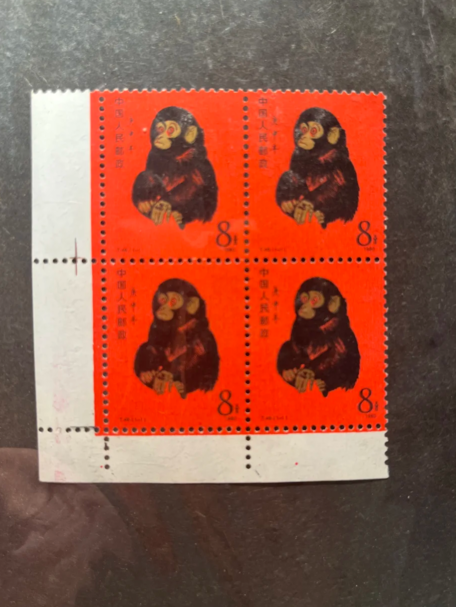
Use a consistent order when inventorying collectibles
Begin with complete views, edges, underside and located damage for each object. Then note the support required by anything fragile, damp or adhered, keeping all evidence under the object's identifier.
Add the group count, image filenames and storage location. The result should let another person find the object and repeat the examination without assuming a date, variety or outcome.
Date the review and check that a collector nickname has not supplied missing wording. Explain every blank rather than completing an uncertain description from memory.
Names, uses and prices from a family story may be retained as provenance, but the inventory should describe only what can presently be supported.
Move from the group view to each object
Give each piece a different number and use it on the complete front and back, edges, underside and measurement photographs. Add an obscured position to the unresolved list.
Support a mixed group according to material. Metals, banknotes, stamps and ceramics have different handling requirements, and none should be altered merely for photography.
Adjust preservation to the material
Retain original boxes, paper sleeves, certificates, receipts and old labels, matching them to objects by number. Keep any uncertain association open.
A provenance account can provide background, but observations, unanswered questions and document wording should remain distinguishable. Preserve original measurements and units.
Separate metals, paper and ceramics
Divide a household group into metals, banknotes, stamps, ceramics and other materials. Apply the appropriate condition criteria to each category.
A whole-group photograph establishes quantity and arrangement only. Each object still needs a proposed name, dimensions or weight, current packaging and located damage.
Let missing evidence determine the next examination
Images may establish visible wording, designs and conspicuous damage. Material, hidden cracks, paper structure and minute repairs can still require direct inspection.
Leave a proposed name or period unconfirmed when packaging blocks the evidence. Do not add a guess simply to make the inventory look complete.
Focus the review on material-specific evidence
Record the whole object, edges, underside and damage before adding dimensions, weight, measuring tool and original unit. A missing view or method should be stated under that object's number.
Connect the group count, image filenames and storage location to the material category for every individual piece. Use the group image to check quantity, not to supply an object's features.
If document wording conflicts with the object, transcribe both versions and dates. Leave its format, period or material unresolved rather than choosing the nearest look-alike.
The inventory should enable a second person to find the same collectible and repeat the review. State when something cannot be opened, cannot be read or lacks a source.
Prepare separate evidence for banknotes and Monkey stamps
Both are paper, but their diagnostics differ. For a banknote, record denomination, complete designs, prefix, corners, margins and folds. For a Monkey stamp, show the full face, reverse, all four perforated edges, margins and any former mounting point. Give every item its own number and avoid one vague condition label for both.
Make photographs and dimensions traceable
For banknotes, add located views of folds, tears, stains and repairs after the complete face. For stamps, retain the perforation tips and margins before examining gum, foxing, hinge remnants, thinning or adhesion on the reverse. Place a ruler beside the object without covering its design, and retain the original unit.
Different condition risks call for different care
Do not iron or tape a banknote. If a stamp remains adhered to an album page, photograph its page number and arrangement instead of pulling it free. Isolate damp, mouldy or stuck material from dry paper and preserve its existing enclosure while checking the count, photographs, dimensions and storage position.
For an enquiry, bring the original packaging and existing evidence. State which item, dimension, condition point or attachment still needs direct review.