
Find missing collection measurements before naming objects
Start with dimensions, weights, measuring tools and native units that the object supports. Do not transfer an unclear reading from a similar item.
Evidence that can be completed in this pass
Keep original images unfiltered and unsharpened, then connect the batch list, photograph filenames and storage location under the record-management section for each identifier.
Evidence that must remain open
Explain any incomplete material grouping or restriction affecting metal, paper, stamps or porcelain. A missing view or document stays outstanding and should not prompt alteration.
A case label can help locate material but cannot prove ownership or a transaction; only physical collection observations are retained here.
Separate the collection by material first
Divide a mixed household holding into metal, paper, stamps, porcelain and other materials. Use the checklist to expose gaps without placing unlike objects in one assessment section.
A complete batch photograph confirms quantity only. Every object still needs its working name, dimensions, weight where relevant, present enclosure and exact damage location.
Number and photograph every object
Assign a different identifier to each object and retain it across overall form, front, back, edge, base and measurement images. Complete the missing-view check afterwards.
Provide appropriate supports for each material group. Do not change the surface or arrangement of metal, paper, stamps or porcelain merely for a photograph.
Keep unresolved fields available
Photographs may reveal wording, motifs and obvious damage. Material, hidden cracks, paper structure and subtle repairs can still require examination in hand.
Mark an uncertain object name or period for later review instead of completing the list with a guess.
Retain packages, documents and damage evidence
Keep boxes, sleeves, certificates, receipts and old labels in their current state, matching every document to an object number before closing the checklist.
A provenance account may sit with background notes, while physical features, unresolved questions and documentary wording use separate sections.
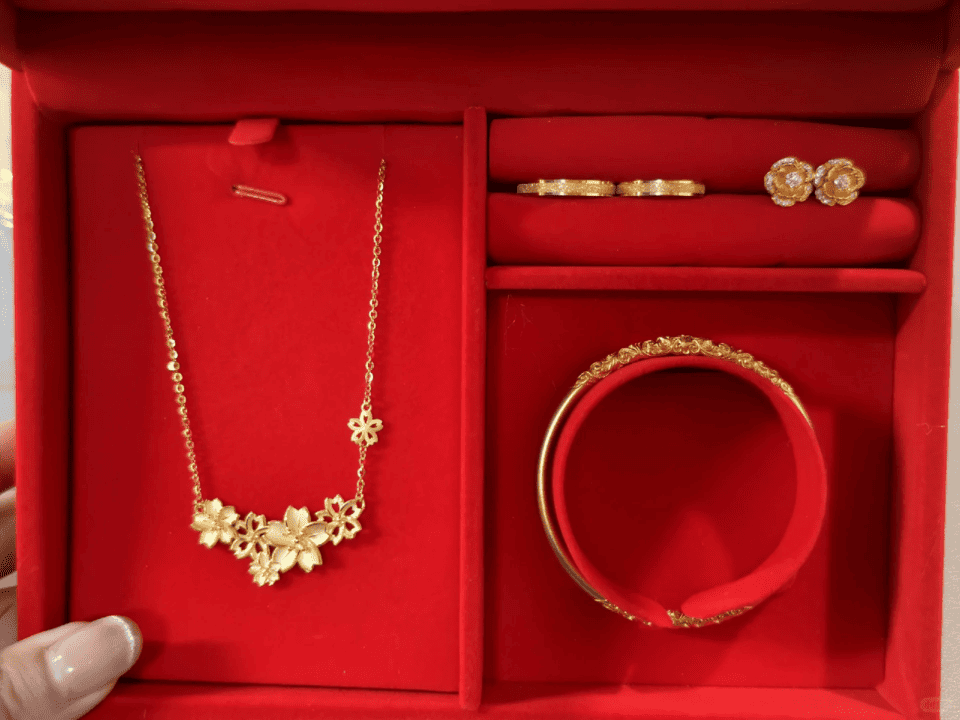
How Floral-Set Images, Weights and Filenames Stay Linked
Answer the item-list and outstanding-field questions first. Dimensions, weight, instrument, unit, uncertain name, age and material all return to one object number so details cannot drift.
For a multi-item group, number each piece before recording material category and all packaging, documents, labels or provenance. Use the batch image only to confirm quantity.
Every reading requires its tool and unit, and every detail image must be locatable on a complete view. Leave any conclusion open when either element is missing.
Explain the location and possible effect before opening, touching or testing anything. Maintain the current enclosure and surface until permission is clear.
If material remains in an album, original box or sealed package, state the access limit and photograph the visible grouping rather than forcing it apart.
