
 WhatsApp item photos
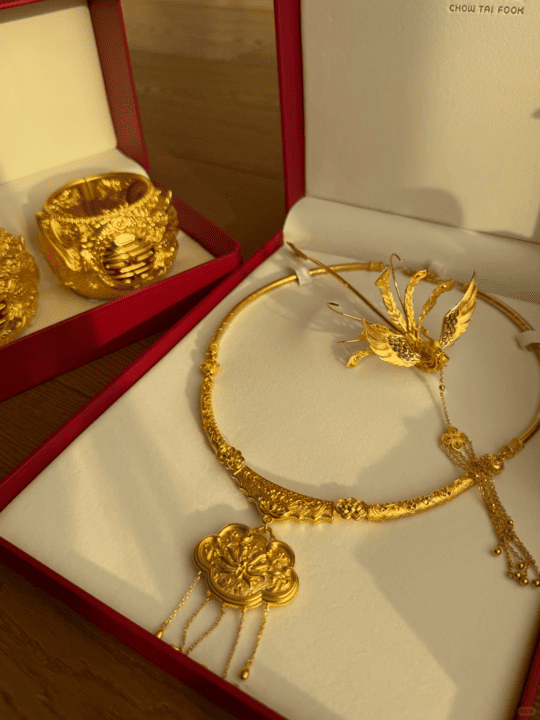
Keep the set together without losing the individual pieces
Photograph the group in its received arrangement, then assign a separate number to every necklace, bangle, earring, pendant, clasp, charm and loose fitting. Record pairs as two linked items rather than one invisible total.
Use the group image to show composition and packaging. Each component still needs its own front, back, hallmark, joins and scale photograph.
What the first list should contain
Record the working item name, number of pieces, visible hallmark and received condition. Leave fineness open until the mark and appropriate testing support it.
Note boxes, receipts, tags and family descriptions beside the set number. They provide context but cannot establish the metal of an untested part.
Photograph construction before weighing
Show chain links, clasps, hinges, safety chains, solder joints, hollow sections, screw backs and repairs. A close-up should be tied to the component number and an overall view.
Keep stones, beads, cord, enamel, springs and base-metal findings visible. Do not remove a setting or cut a string merely to obtain a cleaner weight.
Separate gross weight from confirmed gold weight
Weigh each component with the instrument, unit and date recorded. The first reading is gross weight unless all non-gold material has been assessed.
For paired or repeated pieces, retain individual readings before calculating a subtotal. A group total alone hides missing parts and uneven construction.
Treat fineness as evidence, not appearance
Photograph every hallmark at readable size and record its position. Gold colour, age, a receipt or a familiar wedding style cannot replace testing.
If testing is proposed, state the method, contact area and possible mark before proceeding. Keep any untested or inaccessible component clearly identified.
Connect value discussions to the day and the evidence
A same-day gold price is time-sensitive and should be dated. Keep the quoted basis, tested fineness and confirmed gold weight separate from craftsmanship, stones or collector interest.
List deductions rather than hiding them in one figure. Non-gold fittings, stones, cord and assay or handling terms should be understandable before handover.
Reconcile the set at handover
Count every numbered component against the photographs and weight list. Confirm that paired earrings, bangles, pendants and loose fittings have not been combined or omitted.
Retain original boxes and receipts under the set reference while keeping their claims distinct from the test results. Photograph any broken clasp or detached part in place.
Use the same settlement method and receipt description that the parties have agreed. The record should show item numbers, measured weights and the basis of any calculation.
Do not polish, straighten, solder or dismantle the jewellery before assessment. Alteration can remove hallmark detail and change both weight and construction evidence.
Finish with confirmed, conditional and unresolved lines. This keeps an attractive set presentation from concealing uncertainty about fineness or non-gold parts.