
 WhatsApp item photos
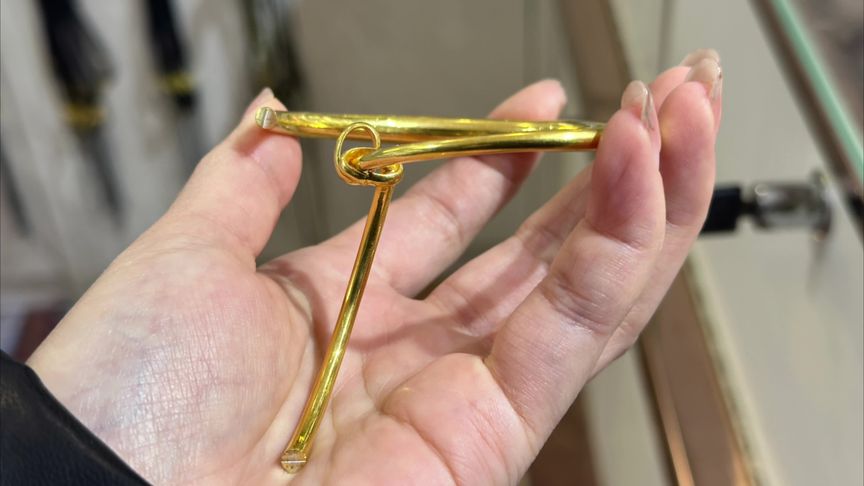
Start with the Jewellery That Is Actually Present
Separate bracelets, necklaces, rings, pendants and other forms, assigning a number to every complete piece, broken part and loose attachment.
Photograph the overall form before details of a hallmark, seam, clasp, solder area, setting, hollow section or visible damage.
What the Record Cannot Yet Claim
Keep gold content and material identity open where colour, a hallmark or an old label is the only evidence, and state which examination remains possible.
Read Hallmarks in Structural Context
Capture each mark with its location and surrounding construction, preserving uncertain strokes rather than completing them from a familiar fineness number.
Relate seams, clasps, solder, joints and moving components to the complete item so a repair or mixed part is not mistaken for the whole piece.
Separate Gross Weight from Material Content
Show the full scale display, native unit, decimal places and numbered item, retaining grams, taels and troy ounces as distinct readings.
List stones, pearls, cord, springs, fittings and other non-gold components, without treating the complete gross weight as net gold weight.
Keep hollow, filled, plated or mixed construction as an evidence question until the permitted inspection can address it.
Record Breaks and Repairs Item by Item
Map deformation, missing material, old solder, replacement clasps and unstable settings by position, keeping detached pieces in labelled bags.
Do not infer that a break or an older style changes fineness, but account for repair material and absent sections when considering net content.
Use one image and reading set per item so a necklace hallmark cannot be assigned to a ring or a loose pendant.
Define Safe Examination Before Acting
State the proposed contact point and purpose before requesting any direct material check, especially around hollow, fragile or stone-set areas.
Do not polish, scrape, cut, burn or force a clasp, and retain original packaging and receipts as dated contextual evidence.
Separating Plating, Filling and Mixed Construction
The source image compares gold-plated, gold-filled and gold-over-silver jewellery, so colour and a single hallmark cannot settle the material structure.
Seams, worn high points, exposed substrate, clasp construction and solder repairs indicate where a non-destructive examination should concentrate.
Gross weight remains a measured fact, whereas net gold content stays unresolved when stones, cord, springs or mixed-metal fittings cannot be separated safely.
A replacement clasp or repair metal belongs to that numbered piece's construction history and is not projected onto every item in the group.
The next examination is defined by the suspected layer or joint and avoids polishing, scraping, cutting, burning or forcing any moving component.