
 WhatsApp item photos
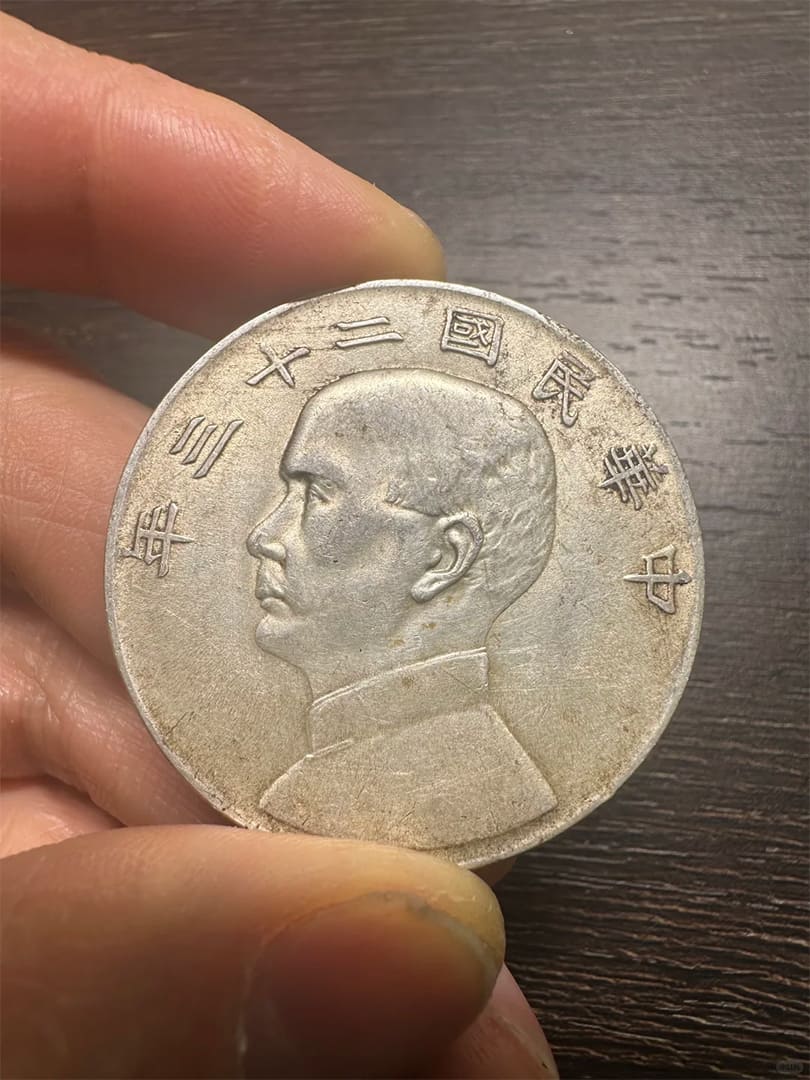
Begin with the junk and portrait faces
Photograph the vessel side and Sun Yat-sen portrait side with both complete circumferences, then transcribe the visible date, value and legends. Rigging, waves, hull, portrait hair and denticles must remain locatable on the whole coin.
Connect weight, diameter and the full edge through one identifier. If Yuan Shikai, dragon or standing-figure dollars share the group, separate them by principal design rather than borrowing their specifications or market names.
Describe patina, circulation wear, wiping lines, cleaning shine and knocks separately. Retain sleeves and old notes, but return every variety and condition statement to the junk dollar's own legends, strike and rim.
Treat the circumference as one evidence sequence
Photograph reeding, edge lettering or another pattern in ordered overlapping sections. Preserve a seam, reshaped area, hole or solder point exactly as found.
Distinguish toning, rub, weakly struck detail, hairlines and possible chemical colour; a dark coin does not need to be cleaned. Keep every initial reading and unit.
Describe patina and wear without improving the surface
Separate junk, seated-figure, standing-figure, Morgan and other foreign silver before numbering. Each pair of faces, edge, weight and diameter belongs to its own specimen.
A grading holder provides a label and numerical grade, while the enclosed coin type, year, mintmark, motifs and surface still require comparison.
Number every silver coin independently
Copy the date, denomination, country or regional wording and designs on both faces before comparing dimensions within the same type. Leave an unreadable detail open.
Keep uncropped face images before adding the vessel, border text, mintmark, denticles and edge close-ups with their original figures and units.
Recognise when direct inspection is needed
Chop marks, paper sleeves and provenance accounts belong with contextual evidence. They do not replace examination of legends, motifs, metal surface or edge.
Chinese collector shorthand remains an index; formal identification returns to the date, value, country wording, mintmark and designs visible on the particular coin.
How the Junk Design, Date and Edge Support One Record
Record designs, denticles and mintmark positions separately from weight, diameter, tool and original unit, then connect both sections to the coin number.
Reconnect whole, raking-light and damage photographs with the date, value, main motifs and border legends. Date later conversions or oral information independently.
Images can show text, design, proportion and conspicuous damage but may not establish composition, hidden cracks or delicate later treatment.
Keep the coin unwashed, unpolished, unscraped and unaltered at the edge. Leave an original enclosure sealed until its relationship and opening risk are understood.
Before reviewing related material, number each junk dollar so its faces, edge and measurements cannot be confused with packaging or another coin.