
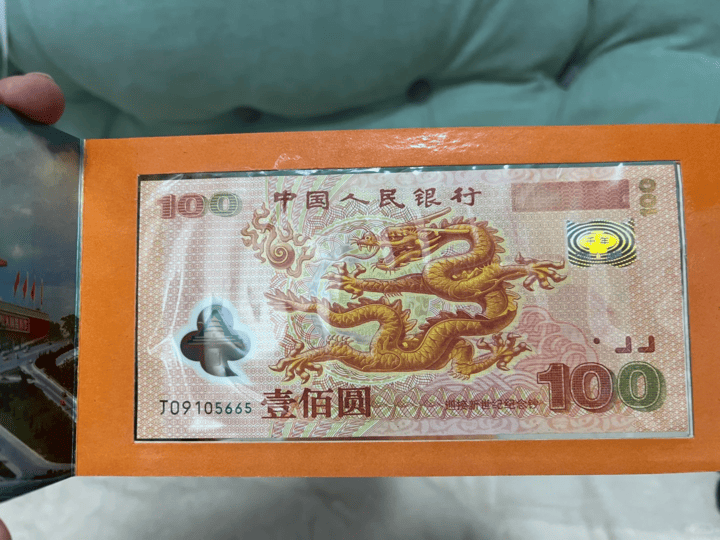
Let the full view establish each collectible
Put whole views, edges, undersides and located damage in the image field. A collector nickname or similar object must not supply an unreadable feature.
Keep the camera direction fixed and record support for fragile, damp or adhered items in handling. Both fields use the individual object number.
The batch list, file names and storage positions belong in management. If a whole image has been cropped, retain that limitation until it can be reshot.
This inventory carries forward object evidence, not people, shops or transaction outcomes from a case narrative.
Move deliberately from group to item
Give each object a number and use it for the complete form, front, back, edge, underside and measurement images. Run the checklist only after those files exist.
Before photography, separate metal, banknotes, stamps, porcelain and other materials. Their handling limits are not interchangeable.
Store different materials apart
Create distinct groups for metal, paper, philatelic items, porcelain and other materials. Do not place them in a shared condition category merely because they arrived together.
The group photograph shows count and arrangement; each object still requires a working name, dimensions, packaging and located damage.
Let material determine storage
Preserve boxes, sleeves, certificates, receipts and old labels, and link each one to the object number rather than a general batch description.
Family history may remain background. Observable features, open questions and document claims should have separate columns.
Use the checklist to choose the next review
Photographs can establish visible text, design and damage. Material, concealed cracks, paper or gum and fine repair may require the relevant specialist.
Leave an uncertain name or date pending instead of inventing an entry to finish the table.
Lock material groups to their numbered object views
A coin needs two faces and a circumference; porcelain needs its complete form, foot and base; paper and stamps need front, reverse, edges and any album position. Give the object its number before taking those views.
Record dimensions and weight in the object's native units, with the instrument display retained. Metal, paper, stamp and porcelain groups can then be compared without changing identifiers halfway through a reading.
Make each image name return to the batch list and each list entry return to a storage position. A loose underside or damage close-up stays unassigned until its complete view can be found.
Photograph boxes, seals and certificates under related attachment numbers, not inside the physical-description field. Note any enclosure that blocks an edge, base or reverse.
The consultation set should expose the precise unresolved choice: material group, object identity, condition or storage match. It should never ask a reviewer to reconstruct the numbering scheme.
