
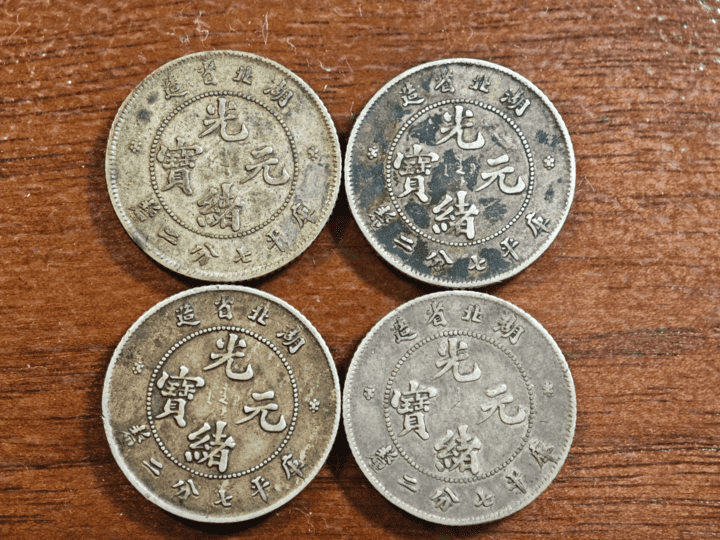
Begin a mixed-collection description with complete views
Every photograph should identify one object. Capture complete views, edges, undersides and damage under a unique number rather than extending a popular name or a similar object's description.
Create separate care notes for fragile, damp or adhered pieces. Those notes remain connected to the identifier used on the object photographs.
Add image names and storage locations to the batch list. Review the uncropped view before accepting any detail that lacks context.
People, shops and sale outcomes do not identify an object. The classification uses only direct evidence and clearly marked provenance.
Move from the group image to each object
Retain complete outline, faces, edge, underside and measurement views under one identifier. Explain any consequence before direct contact.
Separate the material groups before supporting them: metal, paper, stamps, porcelain and other objects should not be altered merely for photography.
Use different boxes for metal, paper and porcelain
A group photograph establishes quantity, then every object receives a working name, native dimensions or weight, packaging and locatable damage.
Use distinct observation and care methods for each material. An unresolved object belongs in a temporary group rather than being forced into the nearest category.
Adjust handling to the material
Preserve boxes, sleeves, certificates, receipts and labels, matching each attachment to its object before any movement.
Keep a family story as background only. Visible features, open questions and document claims should remain separate and dated.
Let the checklist determine the next action
Images may show inscriptions, designs and obvious damage; material, concealed cracks, paper structure or subtle restoration can still require direct inspection.
Mark an uncertain name or date for review. A complete-looking inventory is less useful than one that reveals its evidence limits.
An orderly sequence for mixed collectibles
First secure complete views, edges, undersides and damage locations. Then attach native dimensions or weight without substituting a converted figure.
Connect image names and storage positions to the identifier before moving to material groups. Check attachments once more after sorting.
Record any conflict between object and label as two dated versions. Do not let a certificate complete a hidden feature.
Before handover, reconcile count, packages and unresolved items. Inspection, testing and any fees should follow the actual object, not a generic assumption.
When many photographs are present, sort by identifier first; only then use material and complete views to find the missing angle.
