
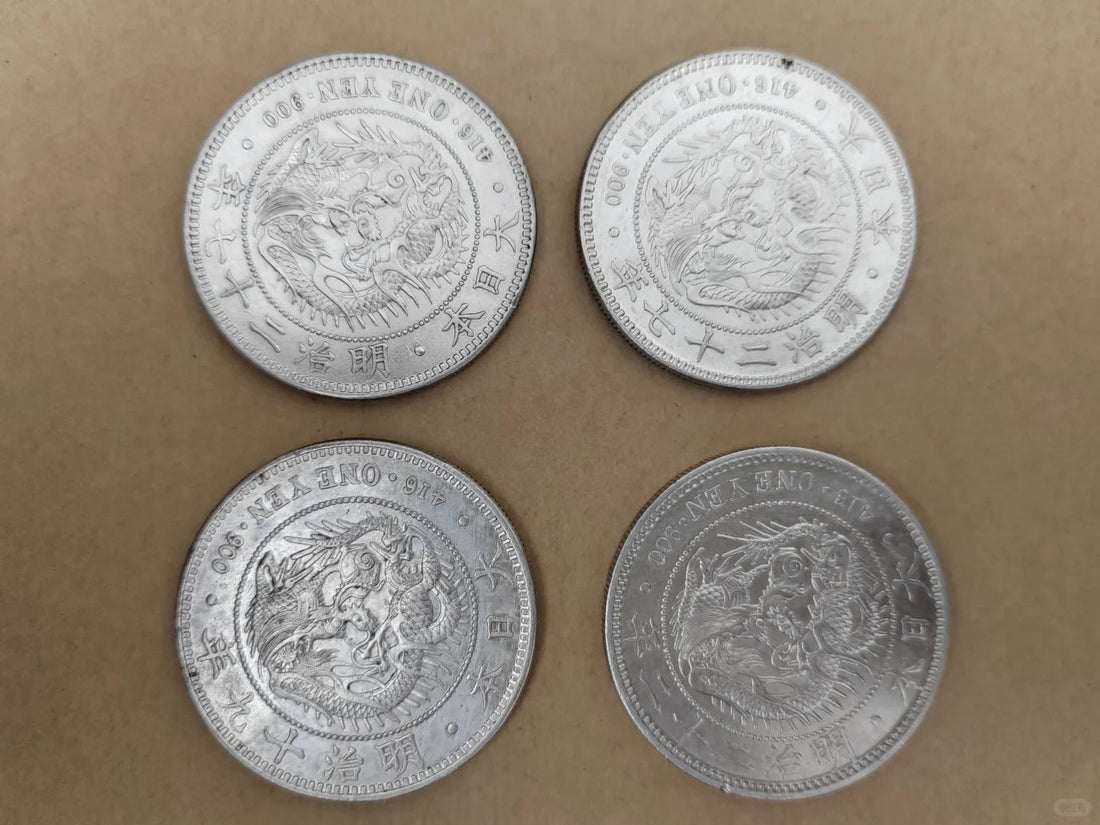
Begin the mixed collection with complete views
Make every photograph return to one physical object. Record complete form, edges, base and damage locations before using a market name or comparison.
Add support instructions for fragile, damp or adhered objects under the same identifier. Complete views always precede magnified details.
Keep the batch list, image names and storage locations in the records field. Mark anything unreadable, unsupported or unsafe to view as pending.
Preserve spatial relationships in the photographs
Images can establish wording, design and conspicuous damage, while paper, alloy, hidden cracks and fine restoration may still require direct review.
Use market comparisons only after material and condition are sufficiently close. An online asking price cannot supply identity or condition evidence.
Store complete views, located details, readings, package and documents under one object number. Explain the impact before any contact handling.
Create the file before the identity is final
Enter a working name, readable text, design, dimensions or weight, enclosure and condition. Leave uncertain material or period in the open-items field.
Separate metal, paper, porcelain and philatelic items before numbering each object. Different materials require different evidence and preservation rules.
Make every document answer to a numbered object
A batch image records quantity, while individual front, back, edge, base, dimensions and weight support object-level review. State what packaging conceals.
Keep material groups on separate supports and under their own handling limits. Do not use one cleaning or flattening action across a mixed batch.
Attach a source and consultation date to manufacture or historical information. Old labels, oral accounts and web images remain attributed context.
Set the limit of photographic evidence
Confirm any proposed handling, examination or document requirement only after the object and obstruction are clear. A distant group image cannot define that scope.
Photography supports classification and damage mapping, while hidden repair, paper structure and obscured material may still require a category specialist.
Let material-specific evidence govern the mixed collection
Use complete faces and circumference for coins, front and reverse for paper or stamps, and form, foot and base for porcelain. The material group determines the needed views, not a single universal photograph list.
Attach native dimensions, weight, instrument and unit to the numbered object before comparing metals, paper, stamps or ceramics. Rechecking a reading must not create a new identity.
Make image names return to the batch list and the list return to a storage position. A loose edge, base or damage detail remains unassigned if its full object cannot be located.
Record boxes, seals and certificates as related provenance attachments. Their wording cannot replace a hidden reverse, circumference or porcelain base.
For review, follow each number from material group to complete view, detail, reading and shelf or box location. Exclude misplaced evidence from the object summary until the link is restored.
