
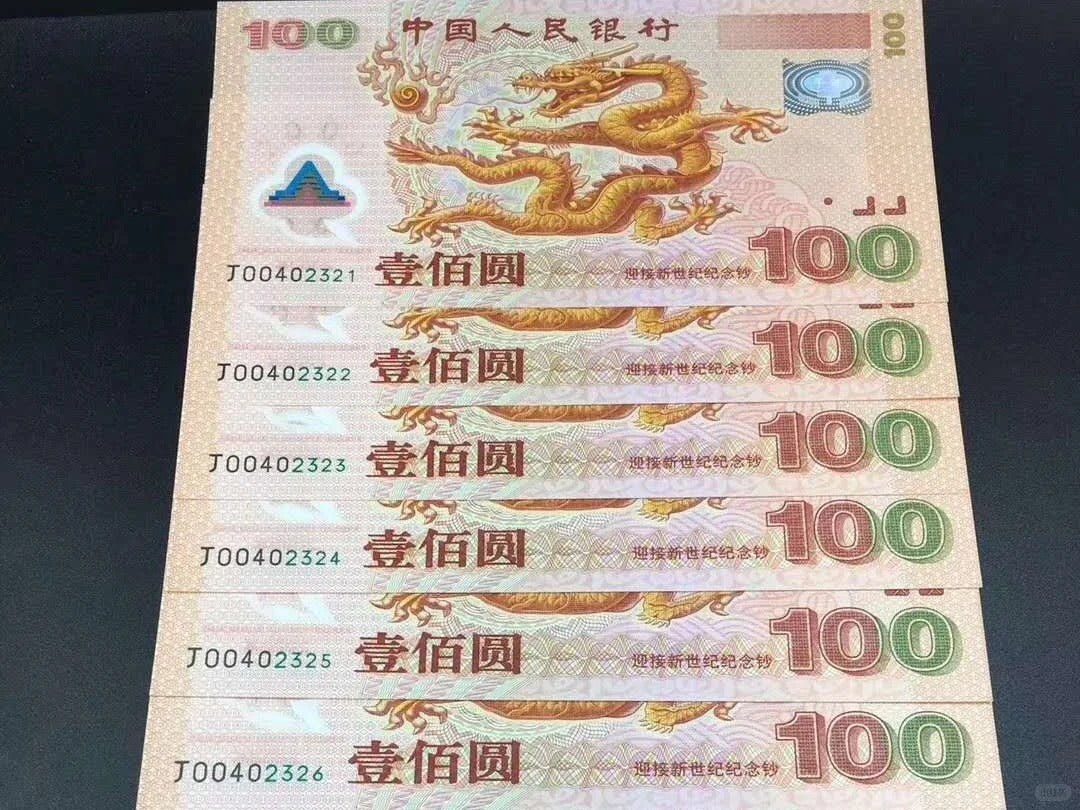
Distinguish a single note from a twin-note unit
First determine whether the object is one independent 2000 Millennium Dragon banknote or two notes retaining their original connection. A single note receives one set of faces, dimensions and serial evidence.
For a twin-note unit, preserve the full dimensions, relative orientation, connecting edge and both complete prefixes and serials. A photograph of only one half is incomplete.
Map the connection, outer edges and any central fold separately. If the unit remains sealed, record the closure, label and certificate number without opening it for measurement.
Keep each detail locatable on the whole object
Use broad, even transmitted light without filters, because an intense local source can hide fibre and outline detail. Record only what is actually visible.
Isolate mould, adhesion, tears and old tape while leaving them as found. Washing, ironing and damp wiping can change the banknote irreversibly.
Store complete views, details, readings, package and papers under the object number. Add a later photograph with its date instead of replacing the first evidence.
Open the record even when a format remains uncertain
Enter the Millennium Dragon working name, readable text, designs, dimensions, enclosure and condition. Mark any covered serial, corner or connecting edge as unresolved.
Photograph old sleeves, album pages and earlier annotations beside the note, but never write, stamp or apply a new label directly to the paper.
Keep unlike paper formats in separate groups
Separate ration coupons, foreign currency, commemorative notes and uncut or connected notes before comparison. Their issue contexts and physical formats should not be merged.
Raking illumination can reveal water exposure, flattened fibres, plugged holes, trimmed edges, recolouring and replaced corners. Preserve the raw dimensions and units.
Cite the identifiable reference and consultation date for any issue or production statement. Handwritten labels, oral accounts and online images remain indexes.
Know when the paper itself must be reviewed
Place a special prefix or serial in the supported format; number interest does not replace print colour, corners, edges or repair evidence.
Images can locate visible damage and layout, while paper feel, minute repair and areas concealed by packaging may still require direct examination.
Reconcile the single-note or twin-note Millennium Dragon format
Photograph the complete unit before deciding whether the Millennium Dragon is a single note or an attached twin-note format. Prefixes, serials, margins and any join must remain visible together.
Place denomination, date wording and main designs on the same object map as each prefix, serial and print position. An isolated serial image cannot establish how many notes form the unit.
Record overall dimensions with tool and unit, then locate transmitted-light observations and any proposed watermark. State which margin or join the package prevents you from checking.
Preserve earlier format names, photograph directions and measurement positions as dated entries when later evidence changes the reading. Do not overwrite the route to the first conclusion.
At review, every detail must return to the complete single-note or twin-note view. Keep sealed sections intact and list any unlocated close-up outside the summary.
