
 WhatsApp item photos
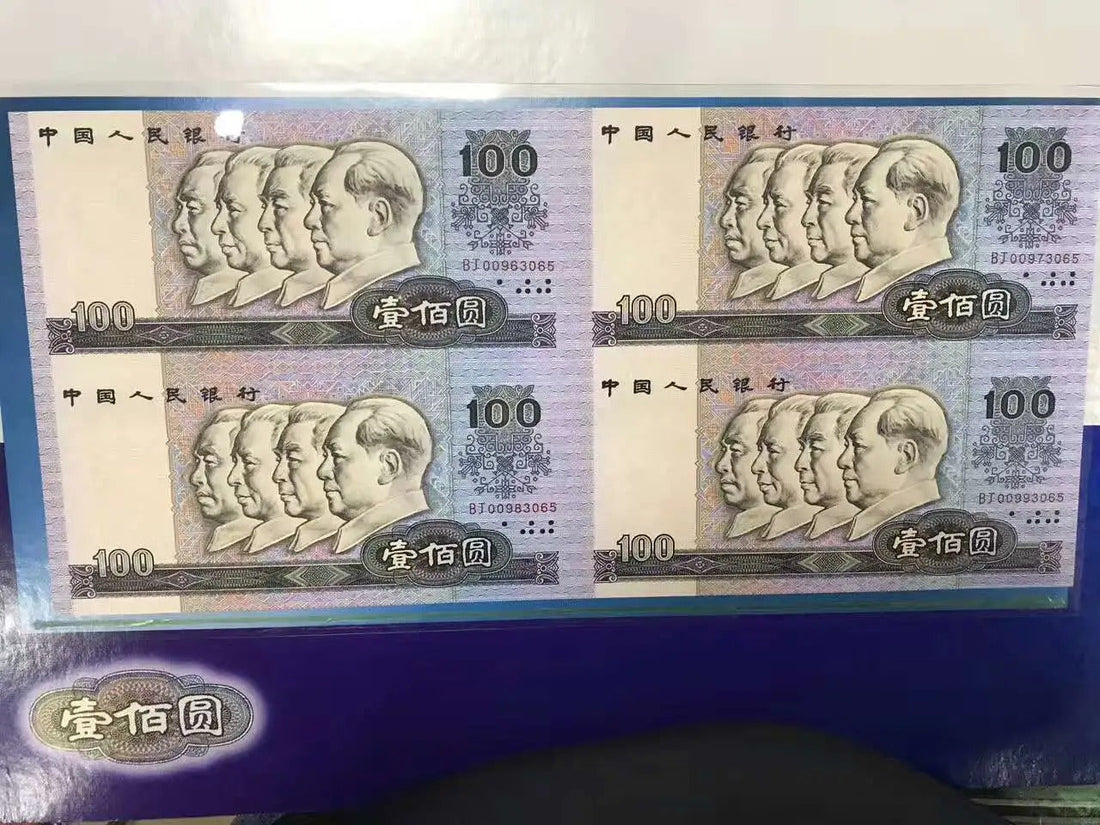
Start with the uncut sheet as one paper object
Photograph the joined layout before reading individual notes. Show every accessible position, all outer margins and the way gutters connect the sheet; if part remains rolled or folded, state what is concealed.
Give the complete sheet one reference number. Keep its tube, folder, certificate, booklet or interleaf beside that number only when the material still accompanies the object.
Do not separate a note to make the count easier. A missing or detached position should be located on the full arrangement and preserved with any surviving fragment.
Record layout and serial positions without assumptions
Count rows and columns from an uncropped view, then label each position. Photograph prefixes and serials at readable size while retaining enough surrounding design to locate them.
Do not call numbers consecutive or matching unless every relevant position agrees. Covered, faded or inaccessible characters remain unresolved.
Measure the complete sheet only where it rests without resistance. Show the tool and unit, and note whether a natural curl or fold prevents a full dimension.
Map condition across margins and gutters
Use the whole-sheet view to locate folds, splits, pinholes, stains, foxing, washing, pressing and repairs. Give special attention to joined lines and outer corners where stress concentrates.
Photograph both faces where safe, then add soft raking light for raised fibres, thinning and repaired joins. Record a watermark only if transmitted light actually reveals one.
Handle rolled or mounted sheets conservatively
Support the natural curve across a broad, clean surface. Open only where the paper moves freely, and use overlapping photographs rather than reversing the curl or pressing the sheet flat.
If the inner edge catches or crackles, stop. Do not humidify, iron, pull or detach the paper to expose a hidden serial or reverse area.
Retain the first rolled or folded views with the opening direction marked. They document the starting condition and prevent a later image from being mistaken for the received state.
Treat packaging as associated evidence
Photograph labels, closures and damage on a tube or folder before opening it. Packaging may clarify storage history but cannot prove the issue, quantity or condition of concealed paper.
Keep later sleeves or certificates identified as such. Their wording belongs in background notes unless the sheet itself supports the same detail.
Know when staged photography is enough
A sequence of overlapping views can document a large or resistant sheet without one risky flat photograph. Mark the overlap points so no position is counted twice or omitted.
Direct examination may still be needed for paper texture, subtle repair, hidden gum or an adhered mount. Identify the exact area and preserve the present format.
Reconcile the stated count with every visible position, outer margin and gutter. Match serial details and damage close-ups back to the numbered layout.
Keep the first rolled or folded photographs. If the sheet later opens farther under safe conditions, date the added views instead of replacing the original condition record.
Separate cited issue facts from observations about this sheet. Store it dry and supported, avoid tight rerolling or adhesive repair, and pass concealed positions or serial gaps forward instead of risking a torn join.