
Record the collection before sorting it
Start with wide photographs of the boxes, albums, trays and loose groups exactly as received. Note the number of containers and any labels before moving objects into material-specific work areas.
One inventory, several handling methods
Assign every object or joined unit a unique number. Keep the original container reference so a coin, note, stamp, gold ornament or porcelain piece can be returned to the place where it was found.
A temporary description is enough at this stage. Use visible material and form, and leave names, dates or attributions open when they cannot be supported safely.
Group by risk as well as appearance
Separate metal, paper, stamps, jewellery and ceramics on clean supports. Do not stack a heavy coin on a banknote, place adhesive albums beside loose gum, or let porcelain rims contact metal objects.
Keep damp, brittle, sharp, leaking or powdery material isolated and photographed. Unknown residue should not be brushed from one group into another.
Give each material the right first photographs
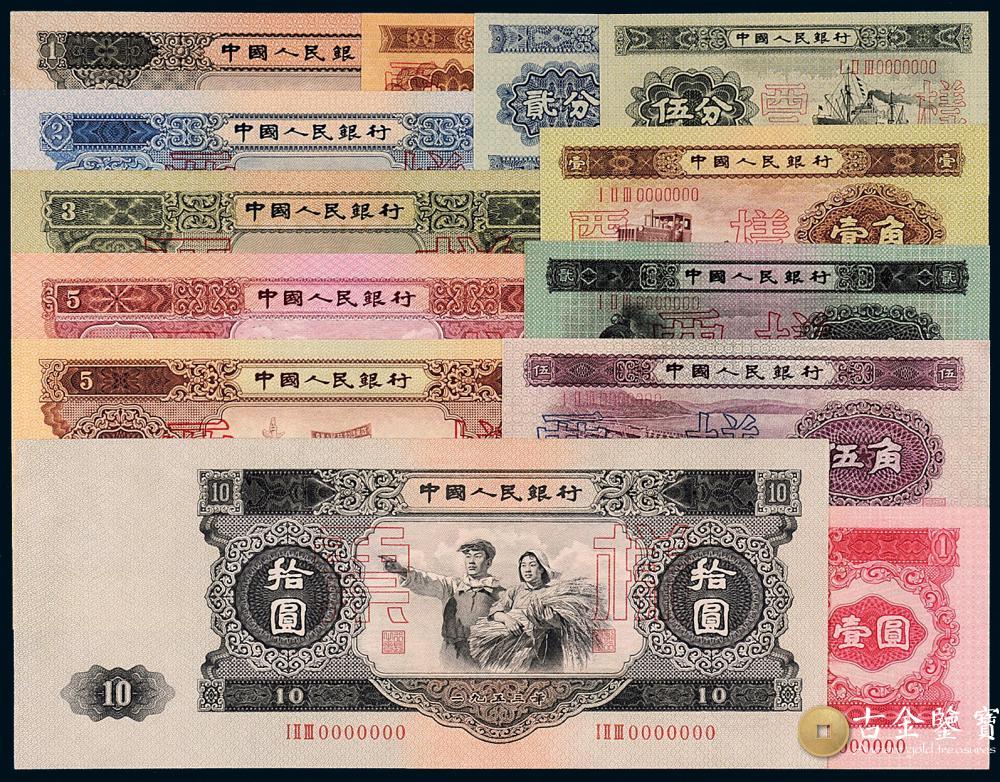
For coins, show both faces and the full edge. For notes, retain complete front and back views with all corners; for stamps, include perforations, margins and album context.
Gold items need hallmarks, construction and gross weight, while porcelain needs full form, rim, body, foot and damage views. These checklists belong to their own objects, not to the collection as a whole.
Record dimensions with the tool and original unit. A batch total may help count items but should not replace individual measurements where identity or condition depends on them.
Preserve packaging and labels without accepting every claim
Photograph envelopes, boxes, certificates, receipts and handwritten notes under their container and item numbers. Transcribe the wording while keeping it separate from direct observations.
A label may guide research into an old coin, banknote issue or porcelain attribution. It cannot supply a hidden hallmark, missing serial, unseen edge or unverified reign mark.
Use a safe sequence for close inspection
Move only one numbered object at a time. Complete its views and return it to a supported position before opening another packet or album page.
Do not clean metal, iron paper, pull stamps, polish gold or lift porcelain by a handle or decorative projection. Record the restriction when an object cannot be viewed safely.
Retain the first group views, container labels and measurement cards before rearranging the collection. Later photographs should show what changed without replacing the received order.
Review the inventory for crossings
Match every full view, close-up, measurement and accessory to an item number. Check that group photographs have not caused one object's damage or dimensions to appear in another record.
Keep uncertain material, period and ownership statements on a pending list. Add a dated interpretation later without deleting the original descriptive name.
Count objects again at handover, including detached pieces and empty original containers. Note where a fragment belongs without taping or gluing it back in place.
Protect privacy by limiting personal documents and ownership details to what the agreed handover requires. The object inventory should remain usable without unnecessary personal information.
Finish with storage instructions by material: dry support for paper, non-reactive holders for metal, stable separation for stamps and jewellery, and padded base-and-body support for porcelain.
