
Set a safe order for grouping a collection
Enter material, count and current name first, then link boxes, documents, labels and source statements through separate package numbers.
Add support needs for fragile, damp or adhered material only after every object can be found again.
Keep image direction and review date consistent while explaining each unfilled field.
Transcribe visible evidence first
Record working name, wording, design, dimensions, packaging and condition for each object, marking any uncertain field for review.
Discuss handover or document needs only after the object can be seen, preserving the original values and units.
Market terms do not replace object data
Separate metal, paper, ceramics and stamps before numbering, storage or comparison.
Images can establish wording and obvious faults, while paper, fineness, concealed cracks and repairs may need direct review.
Cite historical sources and treat labels or oral accounts as contextual indexes.
Use one number across every evidence type
Keep boxes, sleeves, certificates, receipts and old labels complete but distinct from the object entry.
Ensure complete views, details, dimensions, packages and documents remain tied to one object.
State any holder or package obstruction rather than filling the concealed field.
Let gaps decide the next action
Use market comparisons only for genuinely similar type and condition, never as a substitute for examination.
Images may flag damage, while subtle material and repair questions receive a defined direct-inspection request.
Audit every material–object–package link
Keep material, count and current name separate from complete photographs and located damage, while both carry the same number.
Record supports for damp, stuck and fragile objects before filenames, storage positions and version dates.
Package restrictions and seals belong in provenance rather than the physical identity conclusion.
Retain original images and add dated views without filters when a working name changes.
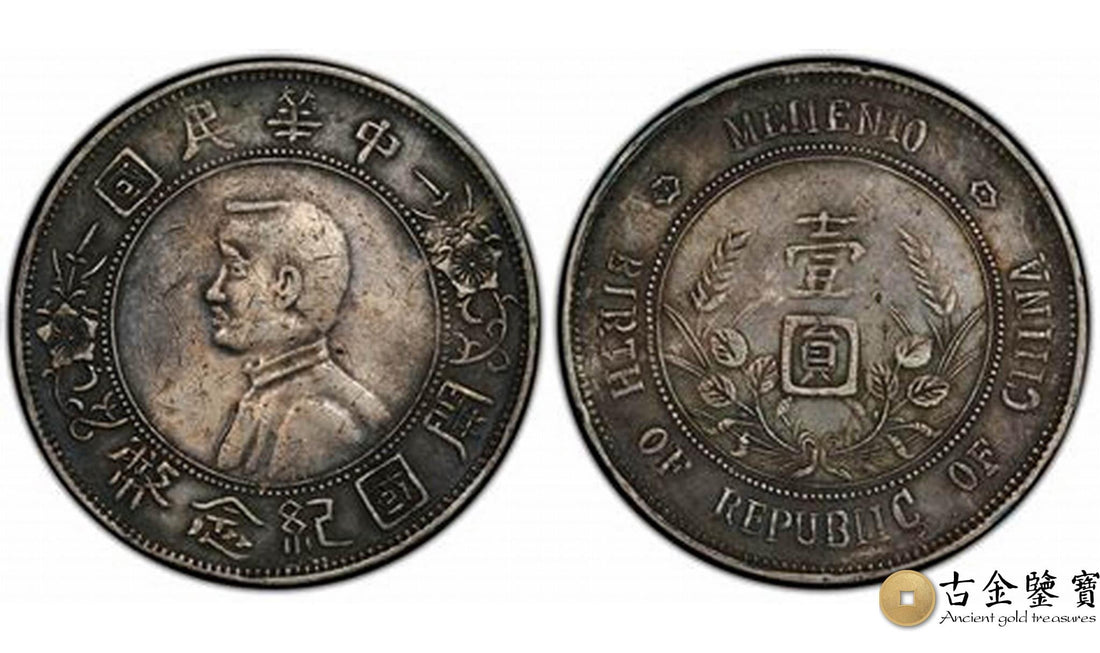
Separate Sun Yat-sen coins from Lathe Worker notes
Record portrait, commemorative legends, wreath and edge for the coin; retain full faces, prefix, corners and folds for the Lathe Worker note.
Make filenames carry category, number and direction
Names such as C03-obverse, C03-edge-01 and B02-lower-right allow every detail to return to its complete object.
Unknown names do not prevent cataloguing
Use visible form, wording, dimensions and package as a temporary description without importing facts from a known neighbour.
Use a material-object-package matrix
Record relationships such as metal to C03 to sleeve P07, keeping empty boxes and loose pieces on their own lines.
Separate humidity, adhesion and fragility risks
Isolate damp paper, leave stuck album pages attached and support cracked objects at the body and base under their item numbers.
Finish by keeping supported facts in the catalogue and guesses on the unresolved list.
